What changed at Canada Water
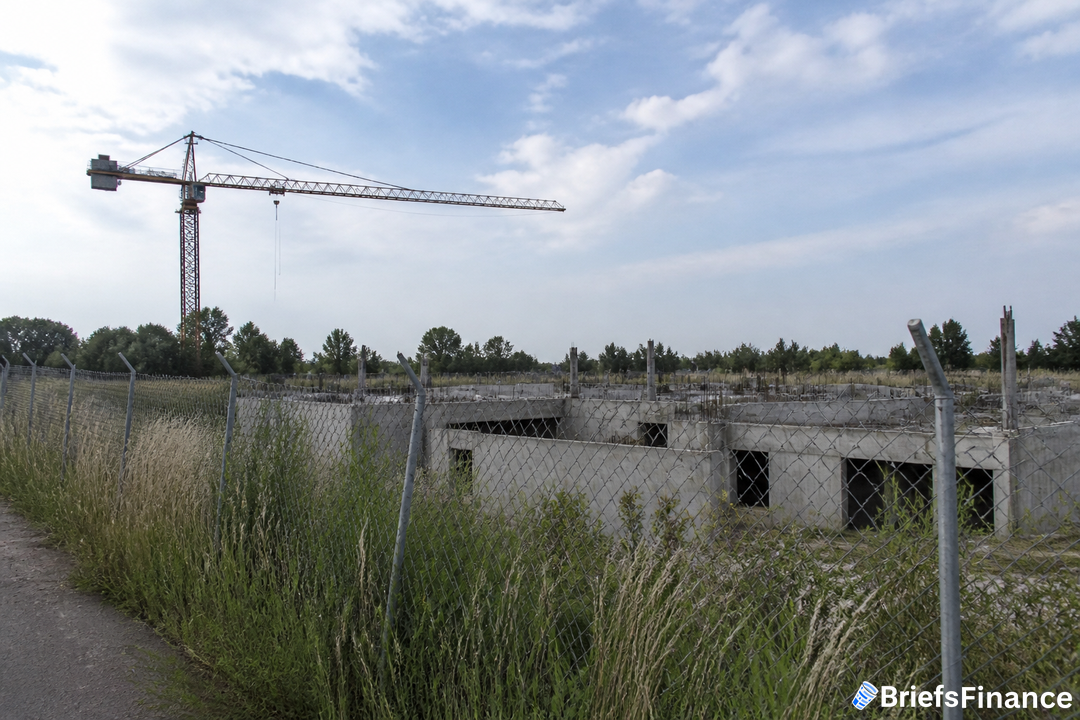
British Land is tapping the brakes on the next buildout at Canada Water on the south side of the Thames. According to individuals familiar with the move, the company plans to delay initiating construction on the second phase until conditions improve, pointing to escalating build costs and softer-than-expected demand. They asked not to be identified because the decision is not public.
The first wave of homes and offices has wrapped up. Sales there are behind plan, with about 30 percent of the initial 186 homes placed so far, the people said.
The scale, funding and plans
Covering 53 acres, Canada Water ranked as the biggest active regeneration project delivering housing within London's two central transport zones, surpassing the 44 acre Earls Court site, which has not yet fully commenced. British Land put the overall gross development value at £5.6 billion during a 2022 analyst visit.
AustralianSuper is helping fund the scheme. Spokespeople for both British Land and AustralianSuper declined to comment. British Land previously secured outline consent for more than 4,000 homes, but now expects fewer apartments and a heavier tilt to other uses such as offices, with the mix still subject to change. The company has also said it may market smaller parcels from the site to other builders.
London's development squeeze
The pause is part of a broader pattern. Developers are being squeezed between buyers coping with high mortgage rates and cost inflation on site, while London development has fallen to historic lows. That is a headache for the Labour government's growth push and its housing pledge.
The Chancellor of the Exchequer, John Healey, is set to deliver his first Budget next week and is expected to unveil support for first time buyers. Among those calling for more ambitious steps are landlords such as British Land, who want options like short-term reductions in property transaction taxes and relaxations of other requirements.
When decisions hinge on changing costs and demand, stay confident by signing up for the free Market Briefs newsletter today
Other major players have already pulled back. Earlier this year, Berkeley Group Holdings Plc announced it would halt acquiring additional land given current conditions. Taylor Wimpey Plc has signaled it plans to exit the capital. This week, Land Securities Group Plc said it will drop plans for a residential-led overhaul targeting a retail complex in south east London, citing a failure to secure a deal with local Green Party officials over purchasing a portion of the site and the affordable housing share.
The bottom line for investors
Supply remains tight. Molior data show London is delivering only 37 percent of the apartments needed to meet official targets. Just 1,440 new apartments sold in the third quarter, far below the 8,600 peak in early 2015. Sales drive starts, and when units linger, builders delay shovels.
British Land's choice also reflects a shifting capital plan. The company is prioritizing projects with better expected returns, even as parts of its portfolio look healthier. It owns several London office campuses, including Broadgate in the City, where demand and limited availability are lifting rents.
For portfolios exposed to UK development, the signal is clear: higher build costs, tighter rules such as tougher fire safety and environmental standards, and house price growth that has not kept up are compressing margins and slowing new supply. Related Argent's Brent Cross Town in north west London is among the few big regeneration schemes still actively building, and even those can pause or speed up as conditions change.
Markets and development timelines evolve, so keep on top of trends with a quick free Market Briefs update each morning