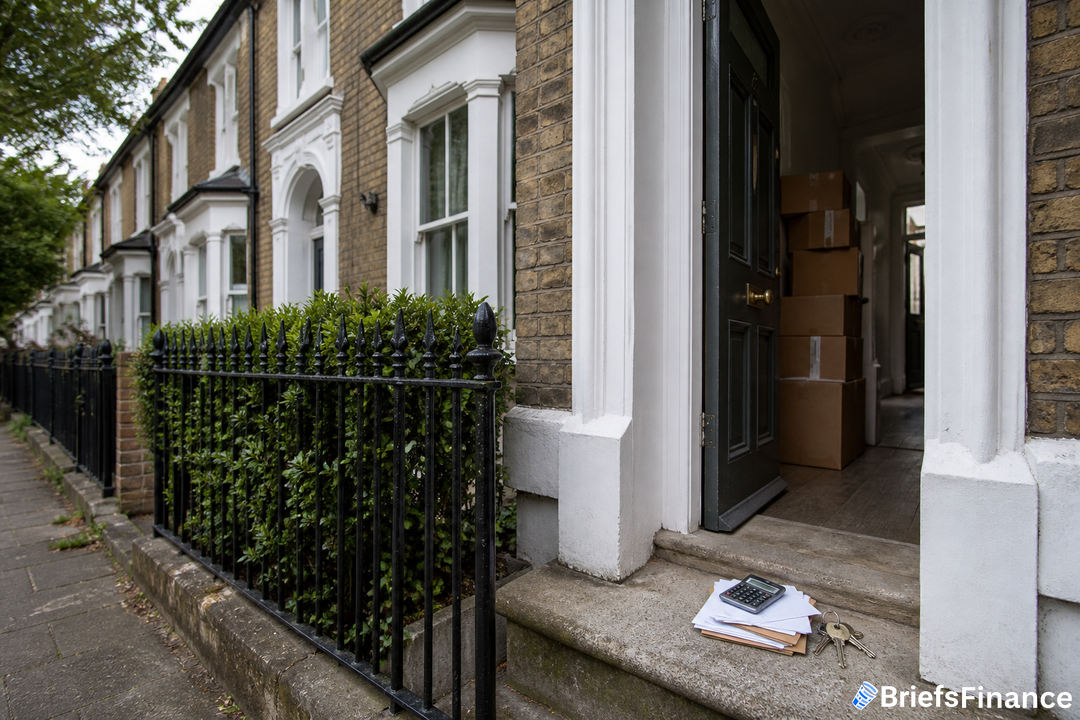
What the data shows
Hamptons reports that a majority of people who bought their first UK home in September ended up with mortgage bills bigger than what they had been paying in rent. It puts the share at 56 percent, the highest reading in at least a decade, with an average monthly increase of £39, or $52.
The dataset spans about 10 years of first-time buyer applications, around 210,000 in total, compiled using Connells Group figures. Buyers in their 40s saw the sharpest shift, with 67 percent now paying more on their mortgage than their former rent. Hamptons says older first-time purchasers often choose larger properties and accept shorter mortgage terms, which helps explain the jump.
Why mortgage and rent pressures are rising
UK mortgage costs have climbed since the US and Iran conflict broke out, a move associated with higher inflation and energy prices. Moneyfacts says the typical five-year fixed rate reached 6 percent this month, the first time at that level in roughly three years.
On the rental side, tax changes and new rules have pushed some landlords out, tightening supply and lifting rents. In central London, SpareRoom reports that room availability was down by about 7 percent in the third quarter of 2026 versus a year earlier.
To stay calmly informed about markets and housing, sign up for the free Market Briefs newsletter and get five minute updates
What industry figures are saying and what it means for your portfolio
"When interest rates were low, the financial case for tenants to buy as soon as they could was fairly straightforward," said Aneisha Beveridge, who heads research at Hamptons. "Higher mortgage rates have turned that equation on its head." She added that while the immediate saving has faded, owning still carries long-term advantages like building equity and more security.
A large number of first-time buyers want to build equity, said Hina Bhudia, a partner at Knight Frank Finance, noting a "strong cultural affinity with homeownership." Still, "people will only buy if they can afford the monthly payments," she said. "Mortgage rates at 6% mean many people simply can't."
"Rents are really sensitive to the supply-demand imbalance and, affordability-wise, tenants are already stretched thin," said Matt Hutchinson, communications director at SpareRoom. If rental demand "intensifies any more, through added pressure from those who might otherwise be buying, we can expect tougher times ahead." Mark Harris, chief executive officer at mortgage broker SPF Private Clients, said that remaining in a more expensive rental can also make it tougher to save a deposit. Putting off a purchase often means "you have to rent for longer, and rents continue to rise," he said.
The bottom line: higher mortgage rates and tighter rental supply are reshaping first-time buyer math. For housing-linked investments, watch how sustained 6 percent mortgages, rent growth, and age mix of entrants into homeownership feed through to transaction volumes and rental yields.
If you prefer a quick daily briefing on economy, stocks, crypto and housing, subscribe to Market Briefs for free