The fork in the road: scale up or fall behind
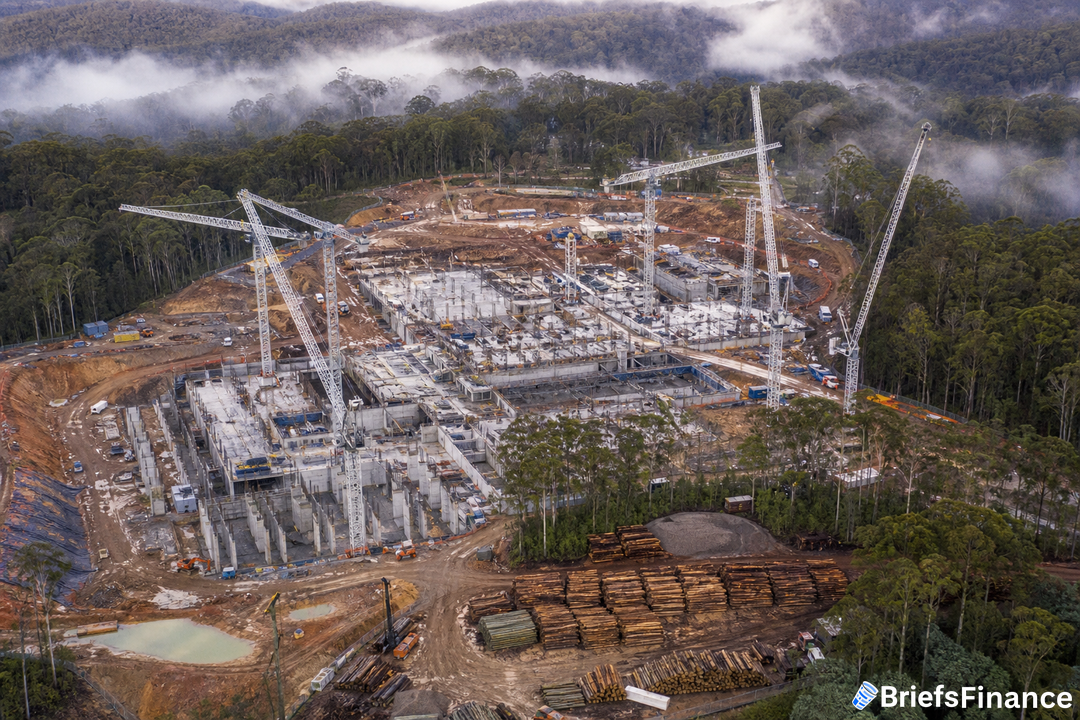
CMPC's choice is blunt: move ahead with Natureza or watch competitors grab more market share. The $4.6 billion mill is slated to add 2.5 million metric tons of eucalyptus pulp annually. Approving it would mean a capex load nearly twice CMPC's market value at a time when leverage is elevated and pulp prices are soft.
Passing on the build would leave Celulosa Arauco y Constitucion SA, its nearby competitor, to widen the lead. After approving the Sucuriú mill in 2024, Arauco says the project is over 70% built and aims to begin operations by the end of 2027.
CMPC first floated a Brazil expansion in April 2021 and, three years later, unveiled Natureza as a 2.5 million ton per year project. During its December 2025 investor day, the company offered further details on the project and the funding plan. "Natureza has significant competitive advantages given the characteristics of the region, including access to highly productive forests and competitive costs," the company said.
"These factors position the project among the most competitive globally and give it the resilience to withstand different price cycles and generate value over the long term." In March, CMPC told analysts the go/no-go decision would likely slip to late in the year. It now says it is waiting on permits and that progress will hinge on approvals, market conditions and financial considerations.
Markets are watching the clock
Investors have already marked down the story. Shares in the Matte family-controlled company have slid 30% this year, making it the second-worst performer on Chile's main index. Spreads over US Treasuries on CMPC's 2034 notes hit a record in late September, and yields are up more than 160 basis points for the year.
Credit risk is the swing factor. CMPC's dollar debt is rated BBB- at S&P, one notch above junk, with a negative outlook. Fitch also rates it BBB-, with a stable outlook.
Net debt ended last year at 5.1 times Ebitda, up from 3.6 times the prior year, according to Bloomberg-compiled data. The company says keeping an investment-grade rating factors centrally into every investment decision it makes.
Building a plant abroad means betting on a currency as much as on demand. Market Briefs covers that risk free every morning.
The industry shift and the price math
The pulp world is tilting toward Brazil's vast, low-cost eucalyptus plantations, with multiple Brazil-based producers adding capacity. Arauco's Sucuriú is slated to produce up to 3.5 million tons a year, that output would elevate Arauco to the world's No. 2 pulp producer. The industry's bet: higher-cost capacity in the Northern Hemisphere will fade over time, shifting a greater share of supply to Brazil and, to a smaller extent, Chile.
Pricing hasn't helped. According to Horacio Herrera of MBI Inversiones, who covers the stock, pulp prices are still under pressure as China ramps production and fresh South American supply arrives. On top of that, higher costs for financing, energy and construction are dragging on Natureza's appeal.
Herrera calculates the project requires a long-run pulp price near $575 a ton to achieve an adequate return, only slightly below today's levels. "It's an acceptable return considering the cost of capital, but it's not something to pop the champagne over," he said. Below roughly $575, "it's better not to do the project."
Funding plan, rating risk and the rivalry clock
Sell-side views have cooled. Bradesco cut CMPC to underperform last month, pointing to a yearslong slide in net income, high leverage, and mounting risks related to the Brazil project. Banco Itau kept its underperform call in September. Combined with roughly $300 million in hybrid bonds sold in June, that deal represents the first meaningful move in a financing roadmap investors had been waiting on.
The equity overhang is real. MBI estimates CMPC may still need $600 million to $700 million in fresh equity should it secure only half of the planned proceeds from asset sales, a risk that has pressured shareholders.
What this means for your money
This is a classic growth-versus-grade tradeoff. Three things to watch: permits for Natureza, execution on asset sales, and any capital increase. Those will determine whether CMPC can chase scale while protecting a BBB- rating, and they will likely drive both the stock and the bonds from here.
Big industrial bets in emerging markets live or die on the exchange rate. Get the free Market Briefs daily newsletter and follow it.