What happened on Tuesday
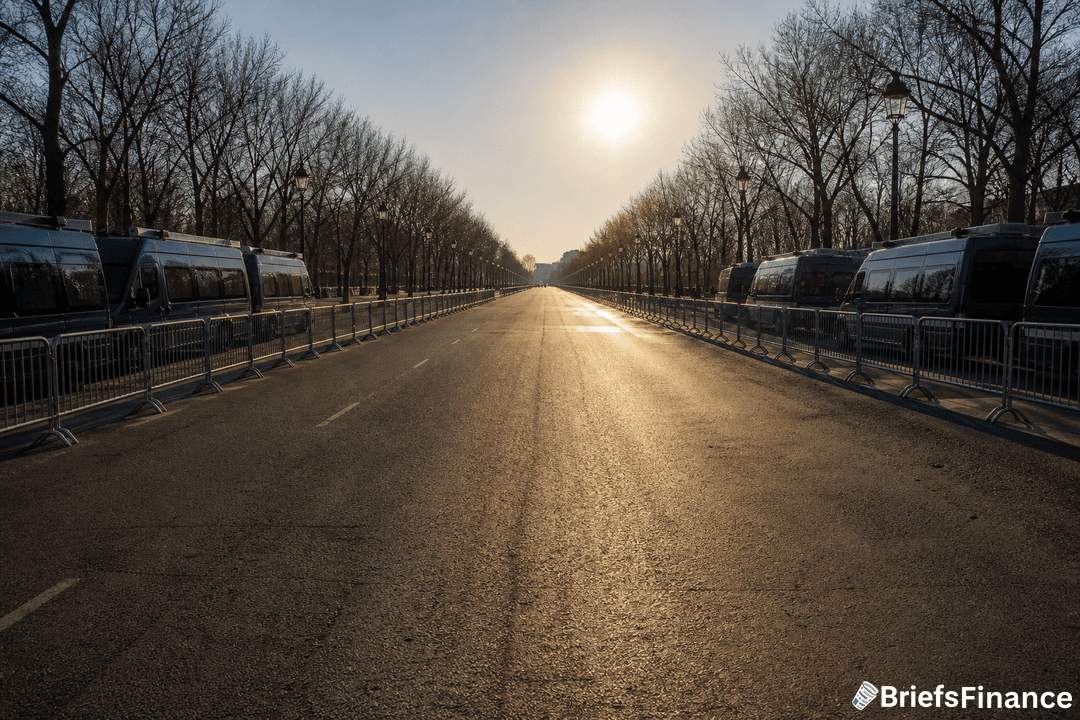
Central Delhi was on high alert, with officers in riot gear posted along the routes toward the Election Commission, Parliament and key ministries. Barricades ringed the protest hubs, including Jantar Mantar. City authorities limited large gatherings without prior permission and rolled out traffic diversions in several areas as lawmakers prepared to march on the poll body.
Why opponents are marching
Opposition parties are zeroing in on the Special Intensive Revision of electoral rolls under Chief Election Commissioner Gyanesh Kumar, arguing the process cut out millions of eligible voters, particularly poorer Indians and Muslims whom they say are less likely to support Prime Minister Narendra Modi's Bharatiya Janata Party. The BJP maintains the overhaul is not being orchestrated to benefit the ruling party.
Political unrest reaches markets through currencies, tourism, and investment plans. Market Briefs covers that link free every morning.
Protests and legal pressure build
The Delhi march follows weekend rallies led by opposition parties and student groups, mainly in Mumbai and the capital, targeting Kumar and the revision drive. Members of the youth-led Cockroach Janta Party movement also took part, calling for a New Delhi demonstration on Oct. 10.
India's Supreme Court on Monday asked the Election Commission and the federal government to respond to petitions seeking action against Kumar over claims he acted on his own. The court also flagged changes to the voter registration form, noting it had not cleared the updated version. Separately, a media report last month said the commission's two other members had repeatedly pushed back on decisions about intensive roll revisions under Kumar. The Election Commission responded that debate is part of normal deliberations and that final decisions were unanimous.
Why markets care
The controversy threatens to crowd out Modi's economic messaging just as investors are on edge. Extended declines in Indian stocks, coupled with fresh strain on the rupee, are amplifying demands for measures to bolster confidence and growth. The election regulator is under a spotlight heading into a run of key state votes, including Uttar Pradesh early next year. As activist lawyer Prashant Bhushan put it, "I expect the authorities to relent in about two-three weeks when public pressure becomes irresistible."
Instability in a major economy rarely stays a local story for long. Get the free Market Briefs daily newsletter and follow it.