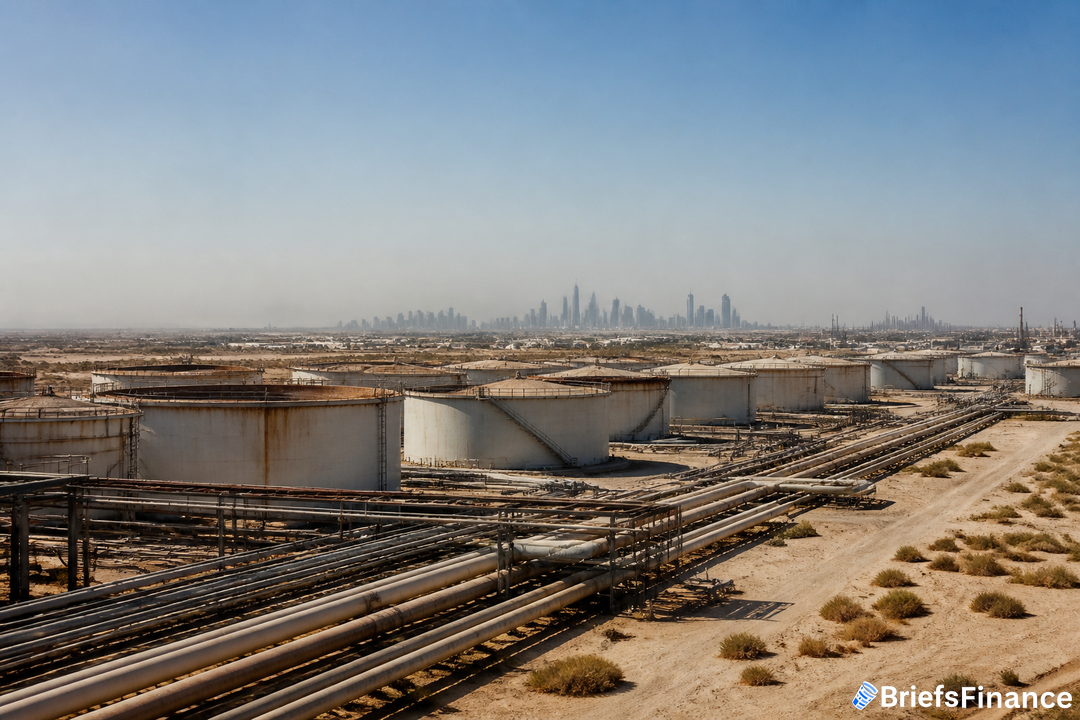
What happened and where
Saudi authorities said that on Thursday they intercepted missiles bound for the Red Sea hub of Yanbu and for the city of Taif. Coalition officials put the tally at six ballistic missiles and cautioned that any further flare-up from the Iran-backed militants in Yemen would be met firmly.
Houthi officials said they carried out attacks on Aramco facilities in Yanbu and on a "sensitive target" in the Saudi capital, Riyadh, using a mix of ballistic missiles, cruise missiles, and drones. In a prior statement, the group said it had targeted military sites in Jazan.
Alerts and aftermath
Authorities issued alerts in Mecca, Jeddah, and Tabuk along with Yanbu and Taif, then announced the immediate danger had passed. They did not say whether anything needed to be intercepted over Mecca, Jeddah, or Tabuk, and the government did not indicate whether there were any casualties or damage.
With the exception of Riyadh, every one of these places sits along Saudi Arabia's western flank by the Red Sea coast.
The broader fight and the oil backdrop
The latest barrage highlights how Houthi attacks continue to menace Saudi Arabia, with activity intensifying this month, injuring dozens and damaging energy infrastructure. On the ground in Yemen, the Houthis have pushed back Saudi-backed forces and taken control of nearly the entire stretch of the country's Red Sea coast, as well as islands situated within the Bab el Mandeb Strait.
The militants say the Saudi-backed coalition has carried out hundreds of strikes on Houthi areas this month. They contend their strikes on Saudi targets are a response to their cities and ports being under "siege" by the kingdom and allied Yemeni forces.
When headlines unsettle, a steady investment plan helps protect and grow your savings. Join Briefs Finance CEO Jaspreet Singh on September 29th for a FREE live investor workshop, How to Profit From A Dollar That's Losing its Value, where he shows how we're spotting investment opportunities as the dollar falls. Save your spot.
Saudi Arabia is also moving to bring its crucial East‑West oil pipeline back online following a drone strike from Iraq earlier in September, where many pro‑Tehran militias are based. The 1,200 kilometer, 746 mile line lets Riyadh move crude overland to Yanbu when traffic through the Strait of Hormuz is disrupted.
Markets and diplomacy
On Thursday, Brent crude finished the session above $106 a barrel, paring gains amid reports that the US and Iran are discussing a step-by-step arrangement to reopen the Strait of Hormuz. From New York, where he was attending meetings alongside the United Nations General Assembly, Foreign Minister Faisal bin Farhan Al Saud said the "whole international community should take responsibility for containing" the Houthi threat. The conflict has rattled energy markets and the wider Middle East since it began in late February.
For your wallet, this mix of pipeline repairs, Red Sea shipping risks, and geopolitics can keep fuel and airfare jumpy and add pressure to everyday prices.
Calm, informed decisions are often the best way to preserve and expand wealth. Our CEO Jaspreet Singh is hosting a FREE live investor workshop, How to Profit From A Dollar That's Losing its Value, on September 29th. Sign up free to join him live.