The Numbers, Plain and Simple
Two housing reports landed on July 16, and neither one had good news for anyone trying to buy a home.
The National Association of Realtors reported that pending home sales - contracts signed but not yet closed - dropped 5.4% between May and June. Compared to a year ago, they were basically flat, down just 0.3%, but that month-to-month drop tells the real story.
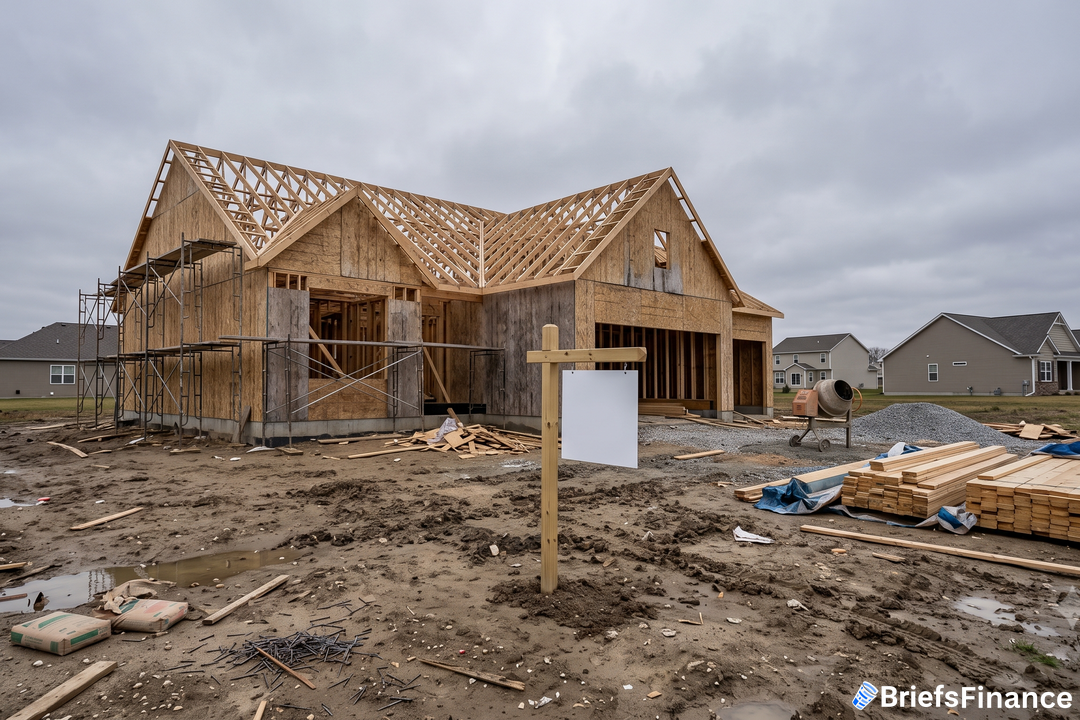
At the same time, the National Association of Home Builders reported that builder sentiment sank to 34 in July, down from a revised 36 in June. Anything below 50 means more builders see conditions as poor than good. The index has now spent 15 straight months under 40, which has not happened since 2012.
Builders are responding the only way they can. In July, 37% of builders reduced their prices, compared to 35% the prior month and 32% in May. And 63% are offering some kind of incentive - covering closing costs, throwing in upgrades - which is the 16th month in a row that number has been at or above 60%.
Why Everything Feels So Expensive
The problem comes down to one word: cost.
Get the market news that matters in a five-minute read with Market Briefs, our free daily newsletter
Mortgage rates reached 6.64% for a 30-year fixed loan as of mid-July. This marks an increase from 5.99% in late February, just prior to the outbreak of the Iran conflict. Rates held steady at 6.6% through June.
On top of that, the national median home price hit a record high. Put those two together - high rates and record prices - and you get a market that is brutal, especially for first-time buyers.
Lawrence Yun, NAR's chief economist, put it plainly: "The highest mortgage rates in nearly a year and the record-high national median home price together are contributing to a tepid housing market that is especially difficult for first-time homebuyers."
Builders face their own squeeze. Land costs are high. Material prices keep rising.
Skilled labor is hard to find. Robert Dietz, chief economist at NAHB, noted that affordability remains the top hurdle, citing high mortgage rates, expensive land, climbing materials costs, and ongoing shortages of skilled workers as key factors.
The Bigger Picture for the Economy
Housing is not a small piece of the U.S. economy. Peter Boockvar, chief investment officer at OnePoint BFG Wealth, quoted the NAHB's figure: "Bottom line, housing remains the downer in the US economy and according to the NAHB makes up about 15‑18% of the US economy all in."
When homebuilding slows and buyers disappear, it ripples through furniture stores, appliance makers, lumber companies, and construction crews. That kind of drag can show up in corporate earnings and job numbers later this year.
Over the last month, demand for home-purchase mortgages has softened. In the most recent week, purchase-loan applications fell 2% compared to the equivalent week a year earlier, despite mortgage rates being a bit higher at that time.
Dietz commented that the new housing law passed by Congress, designed to streamline permitting and reduce bureaucratic delays, "is a positive step that will help expand housing supply and lower overall housing costs, although more policy change is needed at the state and local level."
Join Market Briefs, our free daily newsletter, for a quick daily rundown of the markets