The Numbers Tell a Clear Story
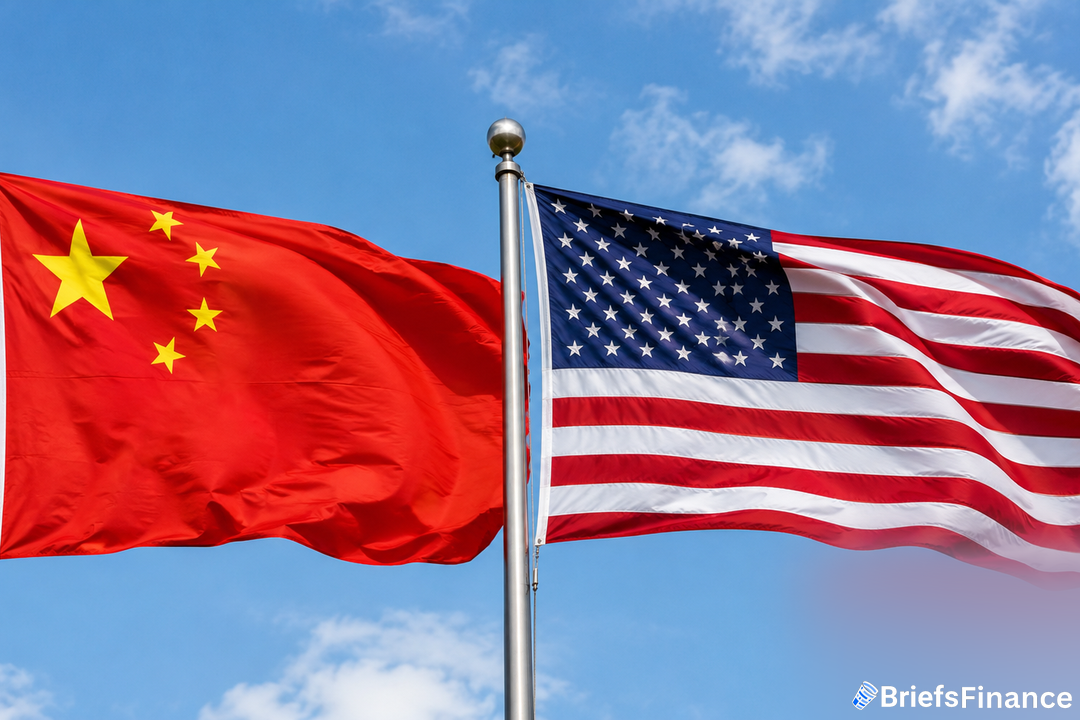
For the first time in at least three years, more people around the world like China than like the United States.
Pew Research Center surveyed roughly 42,000 people in 36 countries between February and May of this year. Among the 20 nations that have been tracked since 2023, nearly half of those surveyed now hold a positive opinion of China. That is a jump from 32% in 2023.
The United States went the other direction. Favorability for the US fell from 58% in 2023 to just 36% this year among those same countries.
The numbers are especially striking among US allies. In Canada, Australia, France, and Germany, China's favorability now tops America's. The US still leads in favorability in just six nations: Poland, Israel, South Korea, the Philippines, Japan, and India.
In a separate finding, 17 middle-income nations said they have more concerns about the United States than about China. That is a big group of countries that are watching carefully.
Why US Standing Dropped and China's Rose
The survey period overlapped with the early stages of the US-led war in Iran. But the decline in US favorability started before that.
Get the market news that matters in a five-minute read with Market Briefs, our free daily newsletter
Confidence in American leadership had already slipped during Joe Biden's term. Then came Donald Trump's second term. His tariff policies, threats to annex allied territories, and a transactional approach to diplomacy all took a toll. Countries that once counted on the US as a reliable partner started seeing a less predictable superpower.
At the same time, China worked the other side of the street. President Xi Jinping's government portrayed itself as a stabilizing force during the Iran conflict. Xi promoted China as a global leader, and the messaging landed. In multiple nations, particularly in Europe, China's approval numbers have reached levels close to or surpassing previous peaks.
Pew summed it up directly: "Global views of the United States worsened last year as President Donald Trump's second term began, though most people still had a more positive opinion of the US than China. This year, that is no longer the case."
Even personal favorability of the two leaders flipped. Xi Jinping's global leadership ratings have overtaken Trump's, though both remain broadly negative.
What This Means for Your Portfolio
Shifts in global favorability are not just about popularity contests. They shape the environment your investments live in.
When allies lose trust in the United States, trade deals get harder to make. Companies that rely on stable international relationships face more uncertainty. Tariffs and diplomatic friction can disrupt supply chains, raise costs, and change which stocks perform well.
China's rising favorability does not mean it is suddenly a safe bet either. The gap between the US and China on perceptions of personal freedom is narrowing, but it is still there. And plenty of middle-income nations are watching both powers warily.
The bottom line: The competition for global influence between these two giants is not going away. For investors, that means paying attention to which countries are leaning which way. A shift in sentiment can affect everything from trade policy to currency moves to the sectors that benefit or get squeezed.
The next few years will likely keep delivering surprises. The US still has deep reserves of credibility and economic power. But this survey is a clear signal that the world is rethinking its loyalties. Your portfolio may need to do the same.
Join Market Briefs, our free daily newsletter, for a quick daily rundown of the markets