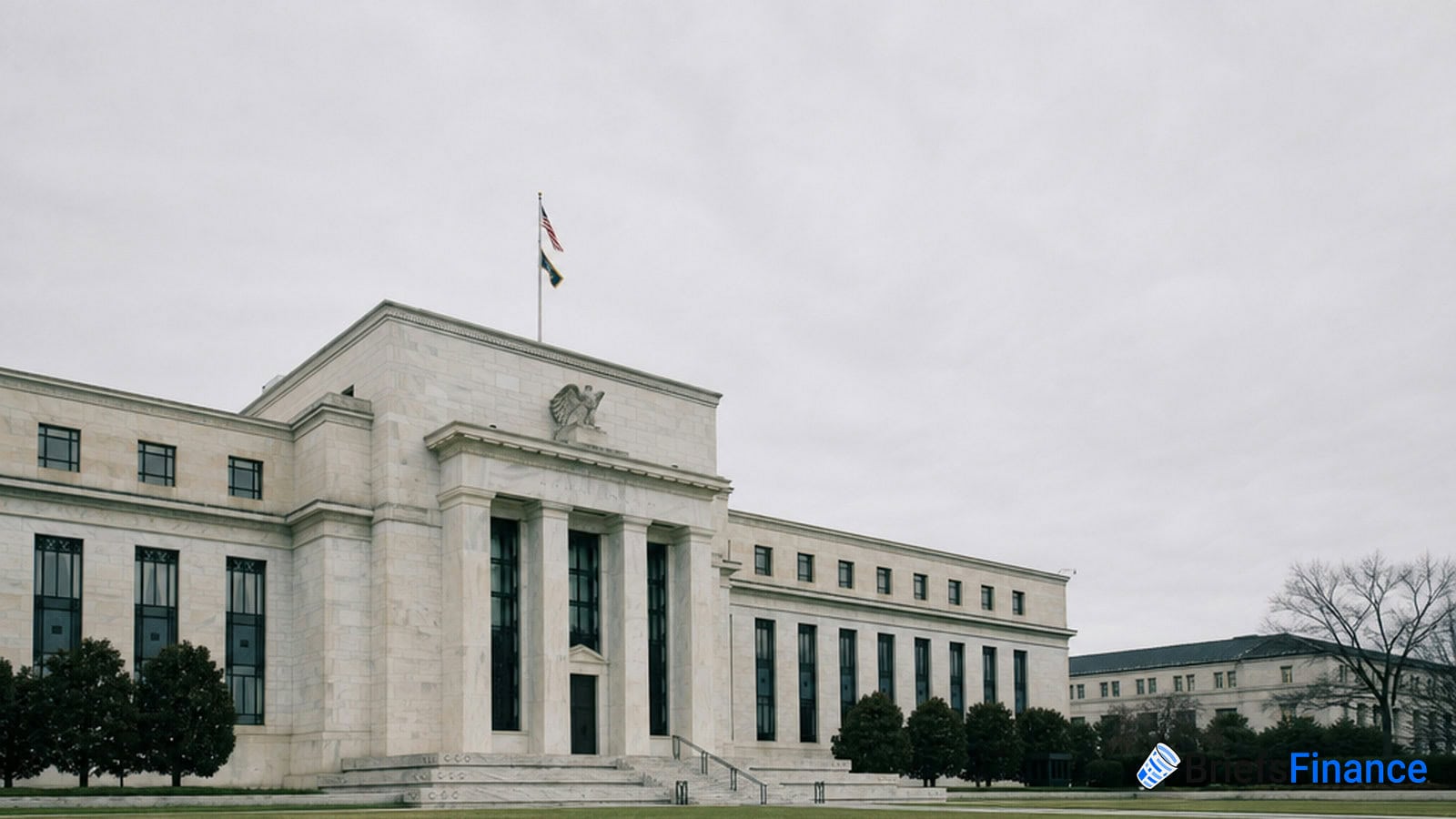
The Fed cut rates three times last year. Traders are now betting the next move is the opposite.
May's jobs report sealed it.
The Jobs Number That Flipped The Script
Payrolls came in at 172,000 last month, beating every forecast on Wall Street. The prior two months got revised up on top of that.
That makes the last three months the strongest stretch of hiring in over two years, with unemployment holding at 4.3%.
Bond traders reacted fast. Two-year Treasury yields - the ones most tied to Fed policy - jumped to 4.15%, the highest of the year, while 10-year yields pushed to 4.53% and 30-year yields cleared 5%.
Markets now fully price in a quarter-point Fed rate hike by December, with October sitting at roughly a 60% shot.
Every morning, Market Briefs breaks down what moves like this actually mean for your portfolio in five minutes a day, with a free 45-minute investing masterclass when you sign up.
How A Year Of Cut Bets Became Hike Bets
The setup has been building since late February, when the US strike on Iran pushed oil prices higher and dragged inflation up with it.
The Fed's preferred inflation gauge ran at 3.8% in April, the fastest pace since 2023, while CPI - the consumer price index, another inflation measure - is expected to print 4.2% for May next week.
A hot job market and inflation drifting further from the Fed's 2% target leaves policymakers boxed in. Several Fed officials have already said they can't back cuts while the inflation gap keeps widening.
"The question is: Will the Fed get out ahead of where markets are pricing, or are markets going to try to push the Fed," said Jeffrey Rosenberg, senior portfolio manager at BlackRock. "So far, it's the latter."
The market is leading, and the Fed is following.
Wall Street Can't Agree On What Comes Next
Most big banks have ditched their forecasts for 2026 rate cuts, and they don't agree on what replaces them.
BNP Paribas thinks the Fed runs its 1999 playbook - three straight hikes to withdraw last year's cuts, which were modeled on the Fed's 1998 response to the Long-Term Capital Management collapse - with the first hike landing in December, possibly sooner depending on Iran and the labor market.
Citi sees it the other way, with economists still expecting three rate cuts this year starting in September, betting that second-half jobs data softens the way it did in 2024 and 2025.
One of them is going to be very right and very wrong.
What To Watch
The next Fed meeting is June 16-17. It's the first one under new Chairman Kevin Warsh, and he's walking into a market that's already priced in hikes he hasn't endorsed.
Whatever Warsh signals in his first press conference will set the tone. Traders aren't waiting for permission.
If you want this kind of read on the market every morning, join 350,000+ investors reading Market Briefs - you also get a 45-minute investing course thrown in as a bonus.