Big companies usually do most of the hiring when the job market is humming. In May, they didn't.
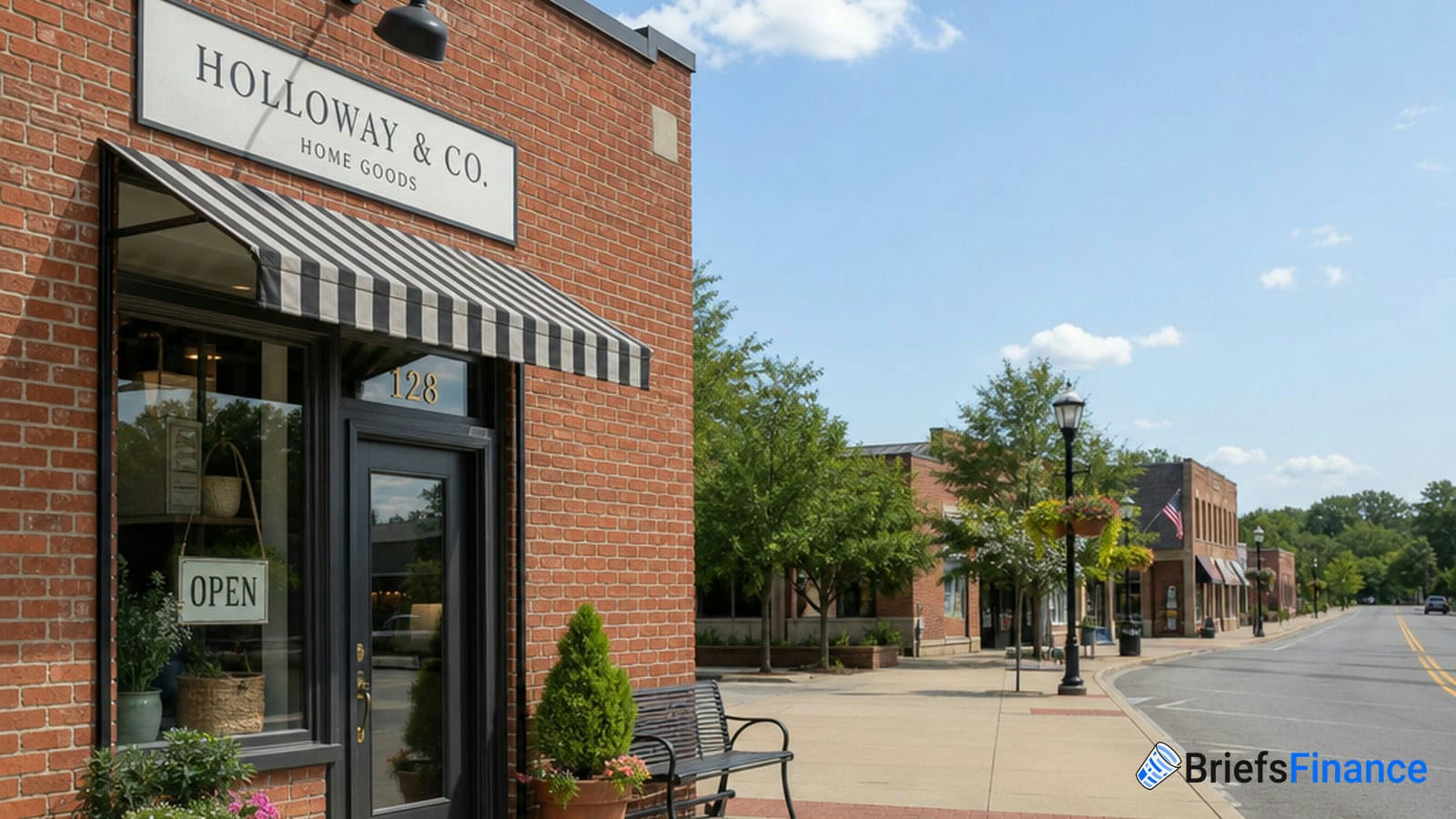
Small businesses added 67,000 workers while the country's largest employers brought on just 40,000 - a flip from the pattern of the last few years.
ADP - the country's largest payroll processor - tracks hiring across more than 26 million workers, giving Wall Street an early read two days before the official government jobs report.
Hiring Finally Spread Out
For most of the last few years, the jobs picture has been a healthcare story, with one sector carrying the rest.
May was different. Education and health services still led with 57,000 new hires, but trade, transportation and utilities chipped in another 36,000.
Professional services added 11,000, while construction and leisure each grew by 8,000.
Why it matters: Small businesses employ nearly half of all American workers, so when shops with fewer than 50 people lead the hiring charts, it usually signals broader confidence in the economy.
ADP's chief economist Nela Richardson called it the broadest hiring stretch in years, with the labor market carrying real momentum into the summer.
We break down what numbers like this actually mean for your portfolio every morning - and you get a free 45-minute investing masterclass when you join.
One Sector Went The Other Way
Information services - the corner of the economy that covers tech, media, and telecom - lost 9,000 jobs, which ADP flagged as a possible AI effect.
Tech layoffs have piled up this year as companies like Microsoft, Google, and Meta trim staff while shifting spending toward AI tools rather than headcount.
Natural resources and mining also shed 3,000 workers, the only other sector in the red.
Pay tells its own story. Workers who stayed in their jobs saw raises hold steady at 4.4% year over year, while job-switchers got 6.5% - down from prior months.
The gap between stayers and switchers has narrowed sharply from the 2022 peak, when job-hoppers commanded raises north of 8%.
When job-hoppers stop getting bigger raises, it usually means companies aren't fighting as hard to poach talent.
The Fed Is Watching
The official government jobs report drops Friday, with Wall Street looking for 80,000 new jobs - softer than ADP's read but still solid.
The Fed meets June 16-17, and markets are essentially certain the central bank holds rates between 3.5% and 3.75%. A steady labor market gives them cover to wait.
Rate cuts later this year still hinge on inflation cooling alongside any softening in hiring - and if hiring stays strong while inflation sticks, the wait gets longer.
What to Watch
Friday's number is the bigger one. If it confirms ADP's read, the story shifts from "is hiring slowing" to "is hiring quietly broadening," which changes the math on rate cuts later this year.
Eight sectors hiring at once hasn't happened in a long time.
If you want this kind of read on the market every morning, join 350,000+ investors reading Market Briefs - a free investing course comes with the sign-up.