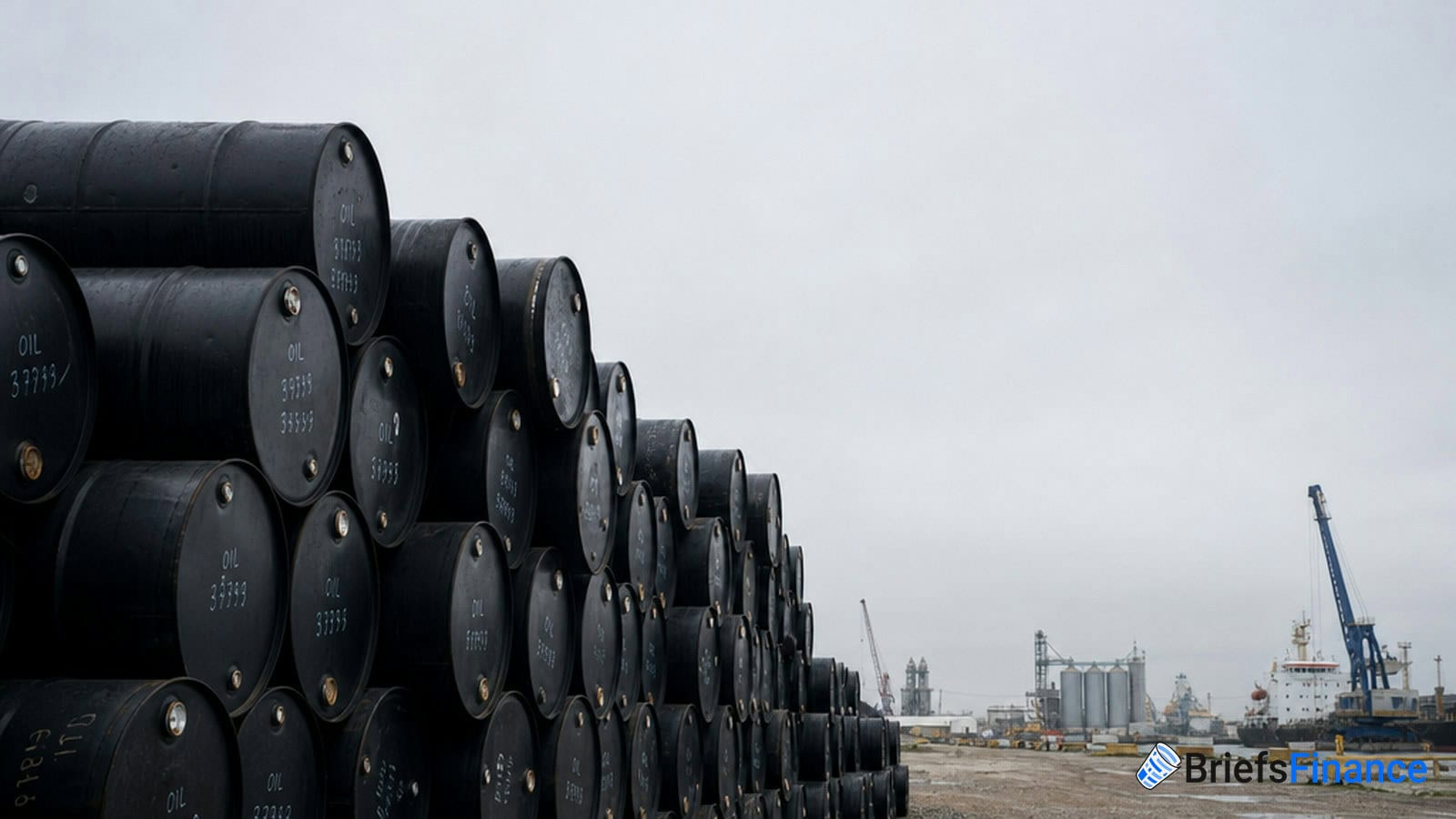
Oil prices dropped to their lowest level since the Iran war began, right after President Trump signed a deal with Tehran.
Markets had spent months pricing in war risk, and that single signature wiped most of it out in one trading session.
Why Oil Reacted So Fast
The war put a premium on every barrel of oil, with traders paying up for the risk that fighting could spread to the Strait of Hormuz - the narrow waterway that used to carry about a fifth of the world's oil supply.
That premium had been building since the first strikes, as every fresh attack pushed the risk - and the price per barrel - higher.
Oil works a lot like insurance pricing - the higher the chance of disruption, the more buyers pay to lock in supply.
With a deal in hand, that risk fades, and the extra price tag attached to it goes with it.
The Strait of Hormuz is the chokepoint that makes oil markets nervous, since even a brief closure would send a supply shock through every economy that runs on imported crude.
Every morning, Market Briefs breaks down what moves like this actually mean for your money - in five minutes, plus a free investing masterclass when you sign up.
What This Means For Inflation
Cheaper oil flows through the economy fast, with gas prices falling, airlines paying less for jet fuel, and trucking costs coming down across the board.
Energy is one of the most direct inputs into headline inflation, which is why the Fed has been watching oil closely as it weighs its next move on rates.
A lasting drop in oil tends to show up in CPI data within a month or two, making the case for rate cuts easier - while a bounce back makes it harder.
For investors, that's the link worth tracking - oil isn't just an energy story, it's an inflation story that ties straight into Fed policy.
The Catch
Deals can unwind, and markets have watched Middle East agreements fall apart before - oil can spike back just as fast as it dropped.
Traders will be watching whether Iran follows through on the terms and whether the truce actually holds on the ground.
The other wild card is OPEC, which can adjust supply at any point and change the math on prices no matter what happens with Iran.
Beyond that, past patterns suggest the war premium does not fully disappear until traders see real proof the deal is holding, which usually takes weeks of clean headlines.
What To Watch
Pump prices usually lag oil by a couple of weeks, so if this drop sticks, drivers should start feeling it at the station soon.
The cheap oil only lasts as long as the deal does, and the next few weeks of headlines will show whether this one holds or unravels like past Middle East deals.
Traders will also be watching for any signs that other producers - from Russia to Saudi Arabia - shift their own strategy now that the war premium is gone.
Want this kind of read every morning? Join 350,000+ investors at Market Briefs and get a 45-minute investing course thrown in as a bonus.