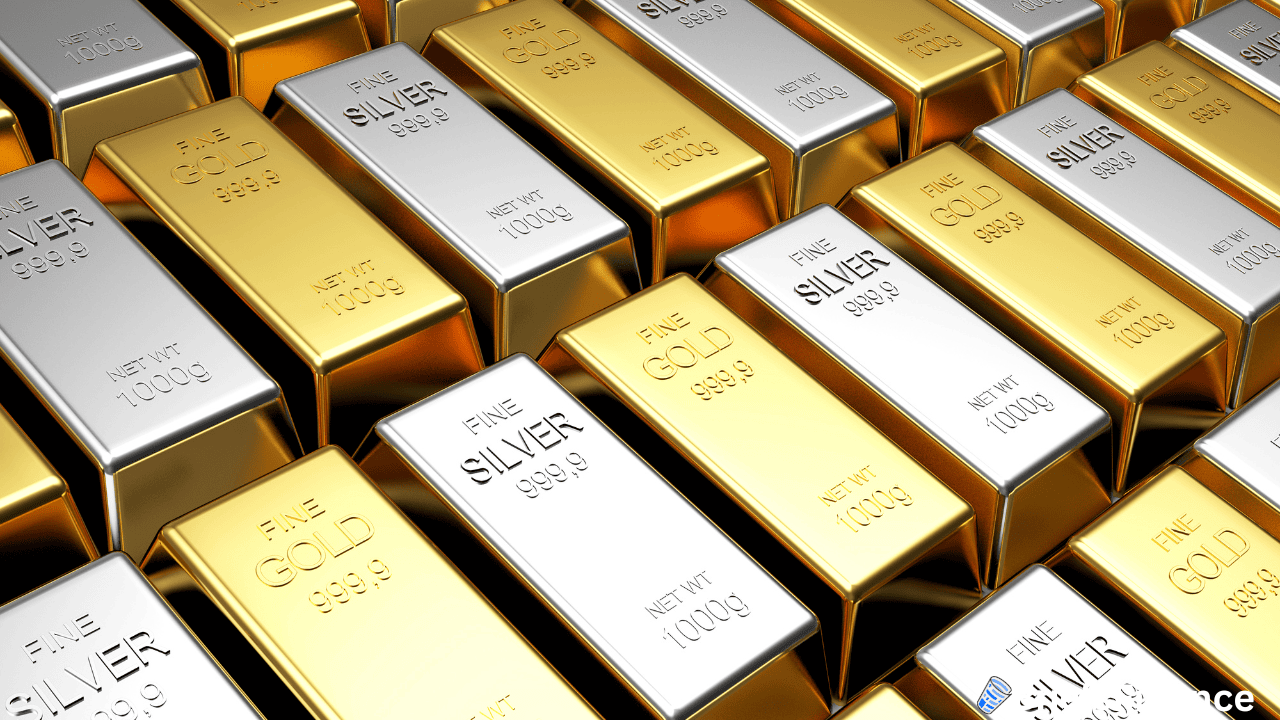
What Are Precious Metals (And Why Should You Care)?
When you buy a stock like McDonald's, you're buying a piece of a company. That gives you certain rights and the ability to profit if McDonald’s sells more burgers.
But when you buy gold, silver, or other precious metals, you're buying something completely different.
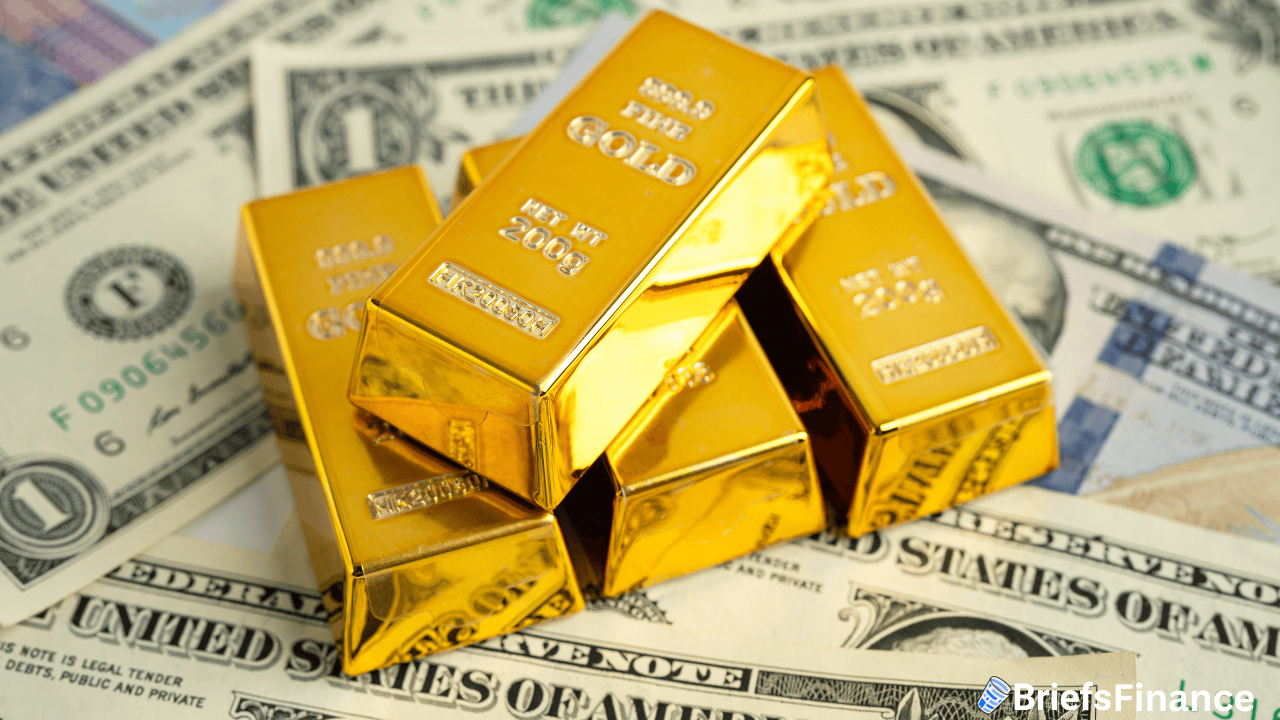
Precious metals are commodities, meaning they're physical elements with inherent value.
Gold doesn't have a CEO, earnings reports, or a growth strategy.
It just exists - and its physical existence is actually why some investors like it so much (we’ll discuss this more later).
In recent years, gold, silver, and even other metals like copper have grown in value, as investors become increasingly more interested in them.
As a result, investors are now asking: Is gold a good investment? Why are precious metals going up and why should I care?
Today, we’re breaking down what precious metals are, why investors are adding them to their portfolio in 2026, how to invest in them, and the risks you need to know.
Precious metals are not the only potential market opportunity right now though.
If you’re looking for more potential investment opportunities, subscribe to Market Briefs Pro.
The 8 Precious Metals
In order for a metal to be considered “precious” it must contain certain physical properties that make it valuable.
In addition, its abundance and historical stores of wealth are also taken into consideration.
As of January 2026, there are eight precious metals total.
Let’s focus on the four that actually matter for investors:
Gold (Au) - The king of precious metals. Used in jewelry, electronics, and as a store of value.
About 190,000 tons have been mined throughout human history. It's malleable, doesn't corrode, and has been used as money for 5,000 years.
Silver (Ag) - Often called "the poor man's gold" (though that's misleading).
Silver has massive industrial demand. It's used in solar panels, electronics, and medical applications.
It's both a precious metal and an industrial metal, giving it unique supply-demand dynamics.
Platinum (Pt) - Rarer than even gold gold and crucial for automotive catalytic converters, jewelry, and industrial applications.
Its price is heavily tied to automotive industry health and environmental regulations.
Palladium (Pd) - Similar to platinum and essential for catalytic converters, it has experienced dramatic price swings due to supply constraints and increasing emission standards worldwide.
The other four precious metals - rhodium, ruthenium, iridium, and osmium - are extremely rare and primarily used in industrial applications. They're not practical for most individual investors.
What’s the appeal? These metals are tangible stores of value - gold for instance takes time, money, and resources to actually mine.
Precious metals are something investors can hold physically in their hands, which gives it a similar value to something like real estate.
Some believe these physical properties give gold and other precious metals intrinsic value - value that is derived from its value existence.
Securities vs. Commodities: Understanding the Difference
Precious metals like gold are considered a commodity, not a security. That means the way they are valued and regulated is also different.
When you buy Apple stock, you own a tiny piece of Apple.
The company's success directly impacts your investment's value. Securities are regulated by the SEC, subject to disclosure requirements, and valued based on company performance.
Precious metals like gold:
- Are not regulated by the SEC (they fall under the Commodity Futures Trading Commission).
- Don't represent ownership in a company.
- Don't produce income or cash flows.
- Are valued based on supply, demand, and intrinsic properties.
- Have existed as stores of value for thousands of years.
This difference impacts how you buy them, how they're taxed, why they move in price, and how they fit in your portfolio.
Why Some Investors Add Precious Metals to Their Portfolios
Commodities are considered alternative investments, meaning they operate differently compared to a security.
That means investors often add them to their portfolio for different reasons like:
1. Diversification Through Non-Correlation
Alternatives often move independently of stocks and bonds.
When the stock market crashes, gold frequently rises and when traditional finance faces uncertainty, precious metals often hold steady.
This lack of correlation can reduce your overall portfolio volatility.
You're not putting all your eggs in one basket and you’re investing in something that moves for different reasons than a stock or bond.
2. Inflation Protection
In 2022, when inflation hit 9.1%, your money was losing value fast.
Throughout history, commodities like gold have protected against inflation because they have intrinsic value. They take time, money, and resources to create.
Plus, there's a limited supply.
Meanwhile, paper money can just be printed.
The inflation issue has also been around for decades - the dollar has lost over 95% of its purchasing power since 1913.
However, an ounce of gold buys roughly the same amount of goods today as it did 100 years ago.
3. Crisis Insurance
During major economic slowdowns - financial crises, geopolitical conflicts, currency collapses - alternatives can preserve wealth when traditional assets fail.
Gold has been called "crisis insurance" because its value typically goes up during times of volatility.
Why? If our economy or markets were to collapse, gold still has intrinsic value. It's tradeable with anyone, anywhere across the world.
Some alternative investments have maintained value across every economic system collapse in human history.
4. Universal Recognition
Precious metals are valued globally across all cultures and economic systems.
This universal acceptance provides liquidity and makes them true international assets.
You can buy and sell them anywhere in the world. Unlike a stock certificate or bank account, precious metals don't depend on any government or institution remaining solvent.
How to Actually Invest in Precious Metals
There are three main ways beginners can invest in precious metals. Each has its own advantages and disadvantages.
Option 1: Physical Metals (Coins and Bars)
The most straightforward approach is buying the asset itself.
You're buying physical gold or silver bars from a dealer. The price you pay will be determined by the spot price (think of this like the stock price you see when you go to buy) minus any fees.
Pros:
- Direct ownership - you hold the asset in your hand.
- No counterparty risk - no exchange or bank is holding it for you.
- Tangible satisfaction - you own something you can see and touch.
- Privacy - you can't hack a bar of gold, so it carries no digital footprint.
Cons:
- Storage challenges - you need a place to store them (bank vault, safe company, or under your mattress).
- Security concerns - you need to protect them from theft.
- Premiums - you typically pay above spot price when buying and receive below spot price when selling.
- Insurance costs - if storing at home, you should insure your metals
- Liquidity issues - selling can take days and finding buyers at fair prices isn't always easy
Option 2: Precious Metal ETFs
Exchange-Traded Funds (ETFs) let you invest in precious metals without physically holding them by shares in funds that track the price.
The funds can also hold gold mining companies, which gives you exposure to both angles of the market.
Pros:
- Extreme liquidity - buy and sell instantly during market hours.
- No storage worries - the fund handles storage and security.
- Lower costs - no premiums for physical coins/bars.
- Fractional ownership - invest with any amount.
- Portfolio integration - easy to include in your investment accounts.
Cons:
- No physical possession - you own shares, not actual metal.
- Counterparty risk - you're trusting the fund manager and custodians.
- Annual fees - typically 0.4-0.5% per year.
- Not the same as owning physical metal during extreme crises.
Option 3: Mining Stocks
You can invest in companies that mine precious metals like Barrick Gold Corp.
When you buy shares in a mining company, you're betting on the company's ability to profitably extract metals from the ground.
Pros:
- Leveraged exposure - mining stocks often move 2-3x the underlying metal price.
- Income potential - some miners pay dividends.
- Growth opportunity - successful miners can expand operations.
- Easy to trade - just like any other stock.
Cons:
- Company-specific risks - mining is expensive, and companies can face financial difficulties.
- More volatile - miners have many moving parts (energy costs, operational efficiency, management quality).
- Not pure metal exposure - you're exposed to the company's business decisions, not just the commodity.
- Subject to stock market sentiment - can decline even when metal prices rise.
Ultimately, there are a lot of reasons investors choose to invest in a commodity or a commodity miner.
These are just some of the most common ways investors choose to do it.
Is Gold a Good Investment Right Now?
Deciding if investing in gold or another precious metal is a good investment depends on what is happening in the world right now.
There are 3 main factors experts consider though when trying to decide if gold is a good investment:
Factor 1: Current Market Conditions
Investment decisions shouldn't exist in a vacuum. Ask yourself:
Is inflation high or rising? When inflation runs hot, precious metals typically perform well as inflation they keep their value more than the U.S. dollar.
Are recession fears increasing? Recessions often trigger stock market declines. During these periods, investors flee to safety.
Gold and silver have historically risen during recessions as safe havens.
What's happening with monetary policy? When central banks print money aggressively or keep interest rates extremely low, this potentially devalues currency and can cause precious metal prices to rise.
Conversely, rising interest rates can pressure these assets as investors have more currency flexibility to invest in other assets like stocks.
Are there geopolitical tensions? Wars, political instability, and international conflicts drive investors toward precious metals as a store of universal value.
A government may fall, but gold will more than likely still be around.
Factor 2: Your Investment Goals
What are you trying to accomplish?
Want income? Precious metals don't generate income - they produce no dividends or interest.
Some mining stocks may pay dividends, but the metals themselves don't. If income is your primary goal, alternatives shouldn't be a large allocation.
Want growth? Precious metals offer modest long-term growth (roughly keeping pace with inflation over time). Most experts don't consider them a primary growth option for a portfolio - that's what stocks are for.
Seeking diversification?Previous metals usually don't move in the same direction as stocks. This protects you in a market downturn if stock prices fall.
Near retirement? As you approach retirement, capital preservation becomes paramount.
Precious metals offer stability and protection, making them suitable for pre-retirees. A retiree might hold 10-15% precious metals.
Building long-term wealth? Younger investors with 20-30 year time horizons usually can tolerate more volatility.
For them, precious metals might make sense.
Factor 3: Your Risk Tolerance
How much risk are you willing to take on?
Commodities and precious metals are usually very volatile.
Why? They rely solely on demand. The value of a stock is tied to if a business is doing well.
But gold just exists - and its value is tied to whether a lot of people want to own it or not.
Plus physical metals can take days to sell at fair prices.
You need to ask yourself: Do you think you'll need to sell these assets to get cash quickly?
If so, you may want to limit how much of your portfolio is in them.
Building Your Precious Metals Strategy
Now that you know the ways to actually invest in gold and how to determine when might be a good time, you’ll need a strategy to put it all together.
Here’s a few steps you may want to consider if you’re thinking about an investment into precious metals:
Step 1: Choose Your Investment Method
Ask yourself: Do you want to own the asset directly, invest in a miner for exposure, or invest in an ETF?
Decide which one makes the most sense for you - maybe a combination of owning the asset and and ETF makes sense for your portfolio.
There’s no correct way to get started - it really comes down to your goals and risk tolerance.
But, you’ll need to decide this first before moving forward.
Step 2: Determine Your Allocation
What percentage of your portfolio should be in alternatives?
Assess your risk tolerance, and consider your age, income needs, and how long until you need the money before deciding.
You can always adjust this later if goals change (which they probably will). But choose something that you’re comfortable with for now.
Step 3: Avoid FOMO (Fear of Missing Out)
FOMO destroys more investors than nearly any other factor, especially with alternatives.
Common FOMO scenarios:
- Gold rallies hard, and you abandon your slow accumulation plan to buy a lump sum.
- Your friend tells you about massive gains they made.
- You see social media posts about investors making huge returns.
Why FOMO is dangerous:
- You typically buy at or near peak prices.
- You exceed your planned risk tolerance.
- You make emotional rather than strategic decisions.
- You're likely to panic-sell when prices correct.
- You abandon your disciplined investment approach.
How to combat FOMO:
Consider Dollar-Cost Averaging (DCA): Instead of investing your entire allocation at once, spread purchases over 6-12 months.
Investors using this strategy might buy the same dollar amount at regular intervals (weekly, monthly, quarterly) regardless of price.
This may average out your cost and removes emotion from timing.
Set allocation limits and stick to them: If you decided that 7% of your portfolio will be precious metals, that's your maximum.
When prices rise and you want to buy more, you're violating your plan. When prices fall and you want to sell, you're violating your plan.
Trust the strategy you created when emotions weren't running high.
Remember your investment goals: Write down WHY you're investing in precious metals.
When FOMO strikes, revisit this document. If nothing in your plan has changed, don't change your strategy.
Ignore social media: Reddit forums and Facebook groups are echo chambers that amplify FOMO. Minimize exposure to these sources, especially during volatile periods.
Celebrate discipline over returns: Measure success not just by returns but by sticking to your plan.
An investor who follows their strategy and earns 8% is more successful than one who chases returns, experiences stress, and happens to earn 10%.
Precious Metal Risks You Need to Know
Always keep in mind that just like security, alternative investments are never guaranteed.
There are risks to investing. No matter what you invest in you are never guaranteed to make money. In fact, you will probably lose money at some point.
That's why you always need to make sure you do your research and create a strategy that meets your goals.
Key risks with precious metals:
- No income generation: Metals don't pay dividends or interest.
- Storage and security: Physical metals require safe storage.
- Liquidity concerns: Physical metals can take days to sell at fair prices.
- Price volatility: Metal prices can swing significantly.
- Opportunity cost: Money in metals isn't growing like stocks might.
- Counterparty risk: ETFs and mining stocks depend on other parties.
In the end, commodities like precious metals are volatile. Yes as of January 29th, 2026, they have seen some gains over the last few years.
But no investment goes up forever - so you need to understand what precious metals are for, when it makes sense for you to invest in them, and the risks involved.
Is Buying Gold a Good Investment? The Bottom Line
So, is gold a good investment right now?
It depends on your situation.
Gold and precious metals aren't about getting rich quick. They're about protecting wealth, diversifying risk, and having insurance for your portfolio when things go wrong.
If you're looking for aggressive growth, stocks typically are better.
If you want income, bonds or dividend stocks usually are investors first choices.
But if you want diversification, inflation protection, and crisis insurance, precious metals make sense.
The key here? Build a strategy, stick to it, and avoid FOMO.
No investment goes up forever, so if you’re just in it for chasing gains, chances are you’ll end up losing in the end.
Focus on a strategy that compliments your goals and risk tolerance and that could make gold a good investment that serves your specific needs.
But precious metals and gold are not for everyone - so keep that in mind as the excitement for gold goes up and down over time.
Gold is just one opportunity investors have taken advantage of over the past few years - but where else is money moving?
Our market analysts are identifying new market shifts every week and researching where smart money is moving, not where it’s been.
These market shifts create potential investing opportunities - and we give you all of the data and research you need to get an edge on the rest of Wall Street.
Want more? Subscribe to Market Briefs Pro to discover these potential opportunities for yourself.
Precious Metals: Frequently Asked Questions
Is gold a good investment in 2026?
Some investors love gold while others stay away from it.
Typically, gold can be a good investment for diversification and inflation protection. It often performs well during economic uncertainty, high inflation, and geopolitical tensions. Whether it's right for you depends on your risk tolerance, investment goals, and how much of your portfolio you're willing to allocate to alternatives.
What percentage of my portfolio should be in gold?
Conservative investors typically allocate 5-7% to precious metals (mostly gold). Moderate investors might allocate 7-10%. Aggressive investors might go 8-12%.
These are guidelines, not rules. Always consult a financial advisor if you’re looking for personal financial advice specific to your situation.
Should I buy physical gold or a gold ETF?
This depends on your strategy and goals. Some investors find gold ETFs easier and more practical.
They offer instant liquidity, no storage concerns, and lower costs.
Physical gold is usually best for those who want direct ownership and have secure storage solutions. Other investors choose a combination of the two strategies - but there’s no one size fits all approach.
Do precious metals pay dividends?
No - precious metals themselves don't generate income.
Some mining stocks pay dividends, but the commodities themselves don't produce cash flow.
When is the best time to buy gold?
Timing any market is difficult - but investors will sometimes choose gold during times of economic volatility, inflation, or a market downturn.
That’s because gold typically moves in the opposite direction as stocks and may retain its value if the value of or paper dollars goes down.
Are precious metals better than stocks?
Precious metals are different from stocks and both serve different purposes.
Stocks offer growth and income. Precious metals offer diversification and crisis protection.
What's the difference between gold and silver as investments?
Gold is primarily a monetary metal and store of value.
Silver has both monetary and industrial uses, making it more volatile.
Gold is better for wealth preservation. Silver offers more growth potential but with higher volatility.
Can I lose money investing in precious metals?
Yes. Just like any investment, investors are exposed to losing money.
Metal prices fluctuate based on supply, demand, inflation, interest rates, and geopolitical events.
Physical metals also involve premiums, storage costs, and insurance. However, over long time horizons (20+ years), precious metals typically maintain purchasing power better than cash.
But they sometimes do fall in value over short periods, which means they are not a guaranteed way to make money and investors should be aware of the volatility and risks associated with precious metals.