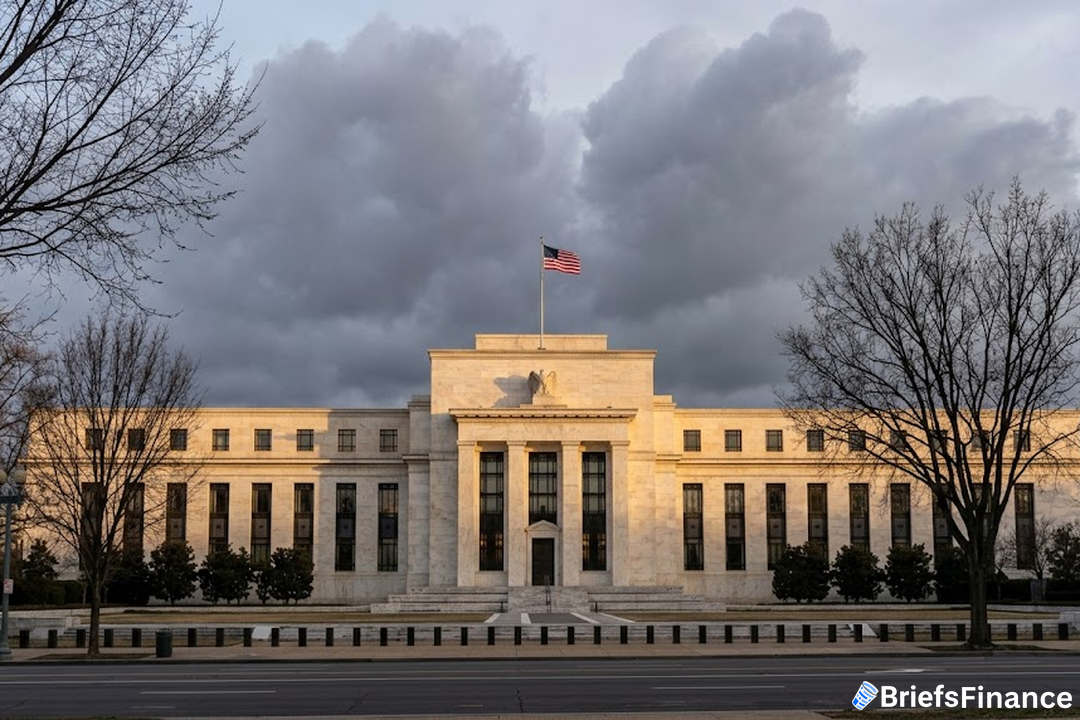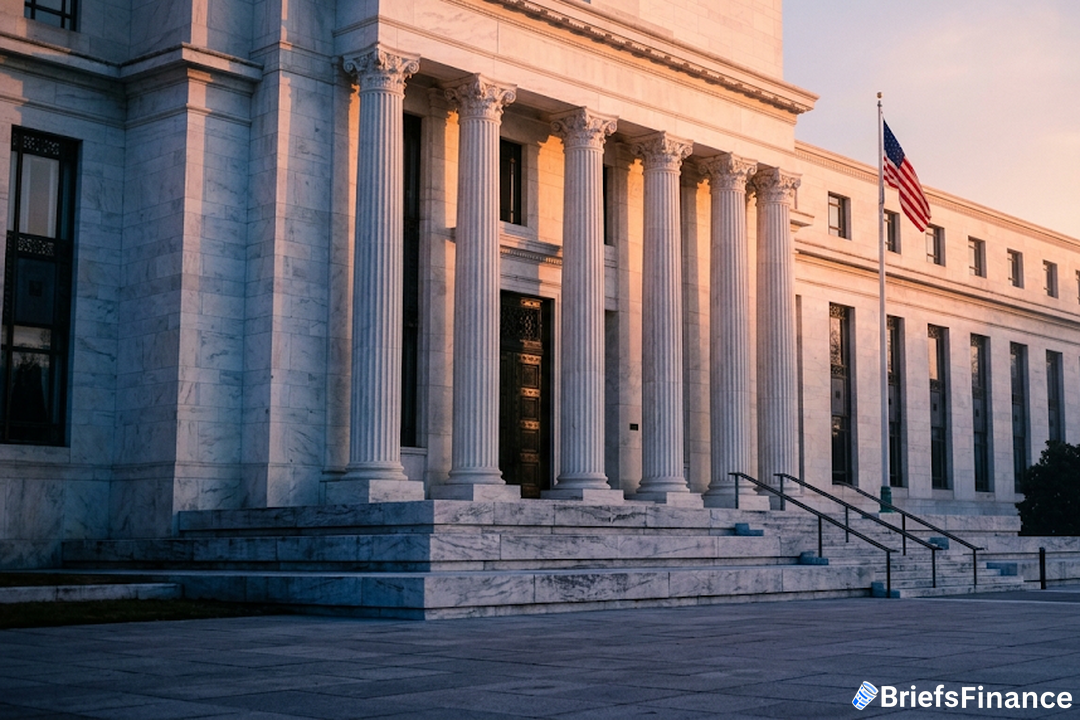
The Federal Reserve just voted to raise interest rates for the first time since 2023. The vote was unanimous, and the man leading it was Kevin Warsh, the new Fed chairman President Trump appointed because he wanted lower rates.
Warsh gave him the opposite. That decision reaches your mortgage, your retirement account, the stock market and the national debt.
All of it traces back to one thing: the Fed is trying to stop the dollar from losing value. Briefs Finance CEO Jaspreet Singh is hosting a free live investor workshop on September 29th on how to profit from a dollar that's losing value, and you can save your seat here.
Why the Fed Rate Hike Happened
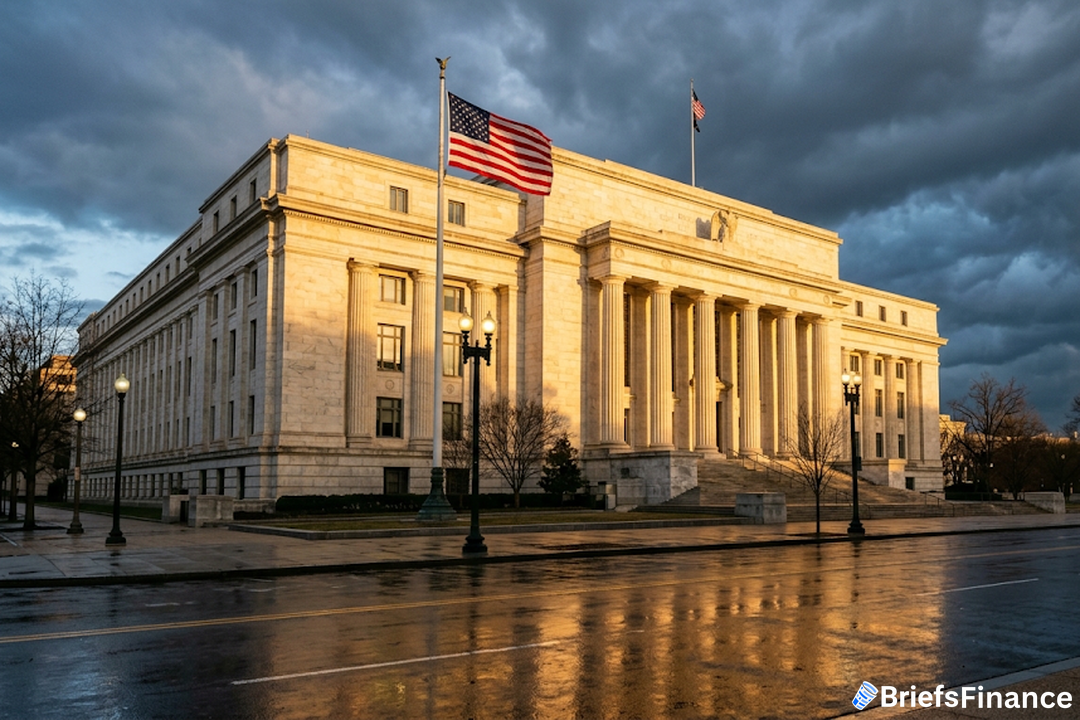
The Federal Reserve is the country's central bank, even though you can't deposit money there, it holds no cash reserves and it isn't federal. It matters because it sets interest rate policy and money printing policy for the United States.
Warsh explained the vote this way: "The economy strengthened, but inflation did not slow and geopolitical tensions intensified. All three of those things helped to come to a firm unanimous decision today."
In plain terms, prices are still too high, and the Fed believes higher interest rates bring them down.
Trump Wants 1% Rates and Got a Rate Hike Instead
Trump has been demanding lower interest rates since he came into the White House in 2025. Cheaper rates mean cheaper mortgages and car loans, but the bigger reason is the national debt.
The United States owes over $40 trillion, and it doesn't carry that debt on a 30-year fixed rate loan. It borrows on readjusting loans, so when rates rise, the interest bill rises with them.
The government's only revenue is tax dollars, and more of them now go to interest payments instead of services. Trump wants that debt cheaper so the government has more to spend stimulating the economy.
When the hike was announced, Trump posted on Truth Social: "Interest rates in the United States should be 1% or less because we are the best credit in the world by far. We are carrying almost every country in the world, and that cannot go on any longer."
Then, in all caps: "LOWER THE INTEREST RATES FOR THE UNITED STATES OF AMERICA AND FAST."
Why Warsh's Vote Couldn't Have Changed the Outcome
He also knew the hike was coming. "I talked to Kevin and I said, you might as well vote with the board," he said, because he believed the rest of the Fed wanted to raise anyway.
The Fed decides by majority among 12 voting members. If seven vote to raise, the other five don't matter, so Warsh's vote alone couldn't have stopped it.
Pressed on what the president would say, Warsh answered, "I don't have anything for you on discussions with the president. I am not a Wall Street newsletter."
The Fed stays in its lane, and Warsh has committed to strengthening the dollar and fighting inflation, pain included.
What the Last Rate Hike Cycle Did to the Economy
The last hiking cycle ran from 2022 to 2023, and history rhymes. Rates had been cut to zero during the pandemic, and the money printing that came with them created a huge inflation problem from 2020 into 2022.
In 2022 the Fed raised rates aggressively to fight record inflation, and mortgage, car loan and business loan rates all climbed. Then the pain showed up: bankruptcies surged, defaults surged, and some banks failed.
How Silicon Valley Bank Failed Holding the Safest Asset in the World
Silicon Valley Bank was holding a lot of Treasuries, which are loans to the United States government backed by its full faith and credit, and considered the safest investment in the world.
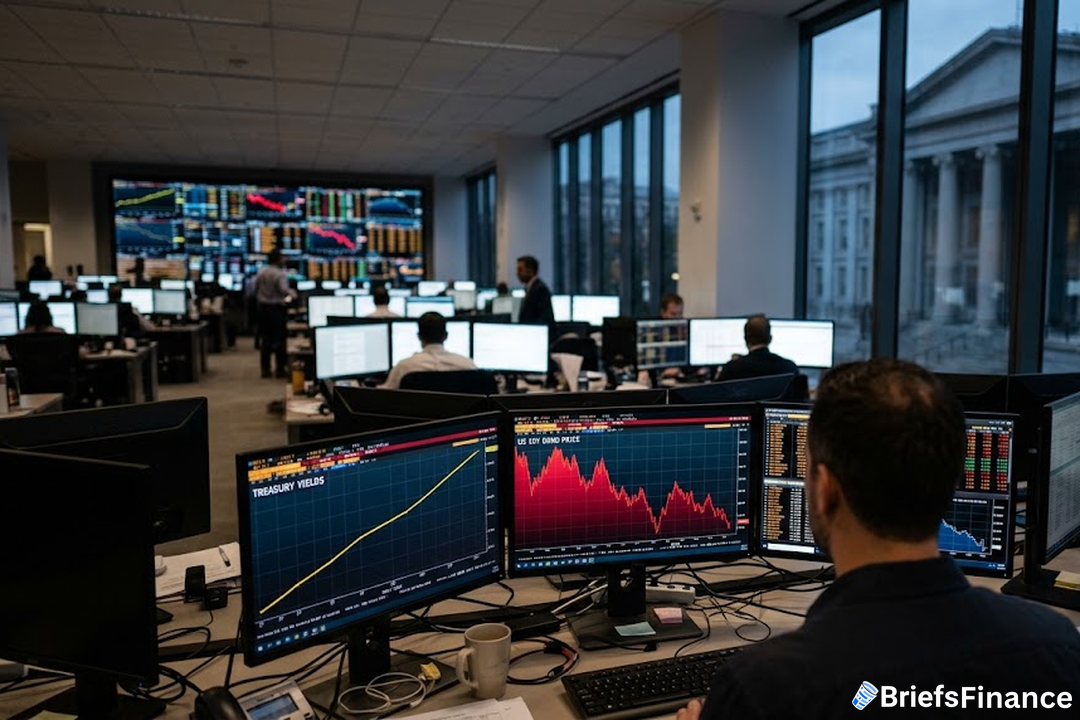
The catch is how bonds work: when interest rates go up, the price of existing Treasuries goes down. SVB bought its Treasuries when pandemic-era rates were extremely low, so when rates rose, those bonds fell hard.
The bank was underwater on those assets, and worried depositors started pulling money, then more of them did, until it collapsed.
When rates rise, any business that relies on debt suddenly needs more money to carry it.
The 2026 Loan Reset Just Got More Expensive
Businesses don't get 30-year fixed rate loans either. They borrow on readjusting loans, and 2026 is the year a lot of them readjust.
In 2020 and 2021 borrowing was essentially free, and business owners, real estate investors and developers took as much as they could at the lowest rates in history. Those five-year loans are resetting now.
They aren't resetting at the 2%, 3% or 4% those borrowers locked in five years ago. They're resetting at 6%, 7% or 8%, and with rates rising again, they could go a little higher.
Borrowers hoping for relief got the opposite: a business with debt now has to earn more just to cover the same loan.
A Rate Hike Hurts Asset Prices but Helps the Dollar
Higher rates put downward pressure on stocks and asset prices, but they are a net positive for the dollar.
The dollar gets hurt when it's diluted. Cutting rates and printing money both add dollars to the system, and inflation is simply each dollar buying less, so prices rise.
Raising rates does the reverse. When the Fed announced this hike, the dollar rose in value.
Every time the Fed raises or cuts, or the president signs a new policy, money moves. The investors who benefit track where it goes instead of arguing about whether it's right or wrong.
Where the Money Moves After a Rate Hike
When rates fall, investors get speculative. Money is cheap to borrow, so venture firms, hedge funds and institutions have more of it than they can place.
That money flows into startups and early-stage growth companies, and their valuations go through the roof. When rates rise, it flips.
Borrowed money costs more, so investors demand a better return and can't afford as much risk. Less money goes into speculative investments, and more goes into profitable, secure, proven ones.
Higher Interest Rates Reward Investors Sitting on Cash
If you're sitting on cash, higher rates pay you more, starting with savings accounts. At a traditional bank, going from 0.5% to 0.6% a year is better than nothing, but inflation is running far higher, so that cash still loses value every day.
A high yield savings account should start paying a bit more.
So should short-term Treasuries - short-term loans to the United States government - or the ETFs that hold them. Yields there could move from around 3.5% toward 4%, which won't make anyone rich, and none of this is a recommendation.
Higher rates also push asset prices down, and the housing market shows how.
| Same $500,000 house | 3.5% mortgage | 7.5% mortgage |
|---|---|---|
| Offers in three days | Around 15 | Maybe 3 |
| Top offer | $565,000 | $485,000 |
| Why | Debt is cheap, so buyers stretch | Fewer buyers can afford the payment |
Downward pressure doesn't mean prices fall, and that's the false assumption. Stocks can still go up, just not as fast: the market fell in 2022 and rose in 2023, but with lower rates it would have risen more.
Anyone overleveraged or underwater needs asset prices to rise or rates to fall so they can refinance, and they get neither. That's when defaults, bankruptcies and foreclosures climb.
For anyone holding cash, that pain is where the opportunities come from. Higher rates are good for investors who are prepared and bad for investors who aren't.
What Is Stagflation, and Why a Divided Fed Just United Against It
The unanimous vote matters because the Fed, which is normally united, has been divided for a long time. One big chunk wanted to cut rates to stimulate the economy, and another wanted to raise them to fight inflation.
Stagflation is a slowing economy paired with rising prices - the worst of both worlds, where things cost more while people lose their jobs. That's what everyone feared, and with the Fed unable to agree on a fix, it held rates steady.
Now the Fed is unanimous again, and its message is that inflation is the significantly worse of the two problems. It will focus on inflation, not the economy, and another rate hike is likely in 2026, with 2027 to be decided.
Paul Volcker and the 1970s Lesson the Fed Doesn't Want to Repeat
The last time the Fed let a president sway it, the result was a disaster. In the early 1970s, President Nixon took the dollar off the gold standard and printed a lot of money, and inflation followed.
The Fed raised rates and calmed inflation, then cut them when Nixon pushed to stimulate the economy. Inflation came roaring back, made worse by an oil spike when the United States entered a war in the Middle East.
So the Fed raised, then cut, then raised again. Inflation went from around 3% to double digits, because the flip-flopping managed inflation instead of stopping it.
It grew into the worst inflation in modern history, worse than the pandemic. Paul Volcker, the next Fed chairman, had to raise rates to around 20% to break it.
Mortgages ran 17% to 20%, unemployment ran extremely high, and the stock market took heavy pain, but it saved the dollar.
The Fed can either strengthen the dollar or stimulate the economy, and it cannot do both at once. This Fed has chosen the dollar, even if it's a little late.
The Fed Rate Hike Makes $40 Trillion in Debt Cost More
The $40 trillion national debt gets more expensive two ways: the government is borrowing more dollars, and the interest rate on servicing them just went up.
The Fed Is Losing Money for the First Time in 100 Years
The Fed can create money out of thin air and buy assets with it, mostly United States Treasuries, so it's lending new money to the government. Its cost is the interest it pays banks that park their money at the Fed, much like a bank pays you interest on savings.
During the pandemic the Fed bought a lot of Treasuries when rates were dirt cheap, so it earns next to nothing on them. Now it's paying banks much higher interest, and the difference is a loss.
For over a century the Fed made a profit and handed it to the government to spend. That money is gone.
Higher Rates Are Turning Dollar Talk Into Recession Talk
The pain is already here, and higher rates add to it, so recession talk is now real. For months the worry was the dollar falling and losing its world reserve status, and as the Fed fights inflation, the worry shifts to a recession.
The dollar problem doesn't disappear because the headlines move on. It's the exact subject of Jaspreet Singh's free live investor workshop on September 29th, on how to profit from a dollar that's losing value, and you can register here.
Either the pain is inflation or the pain is economic; there's no third option. It's already showing up in the job market, the housing market and the car market.
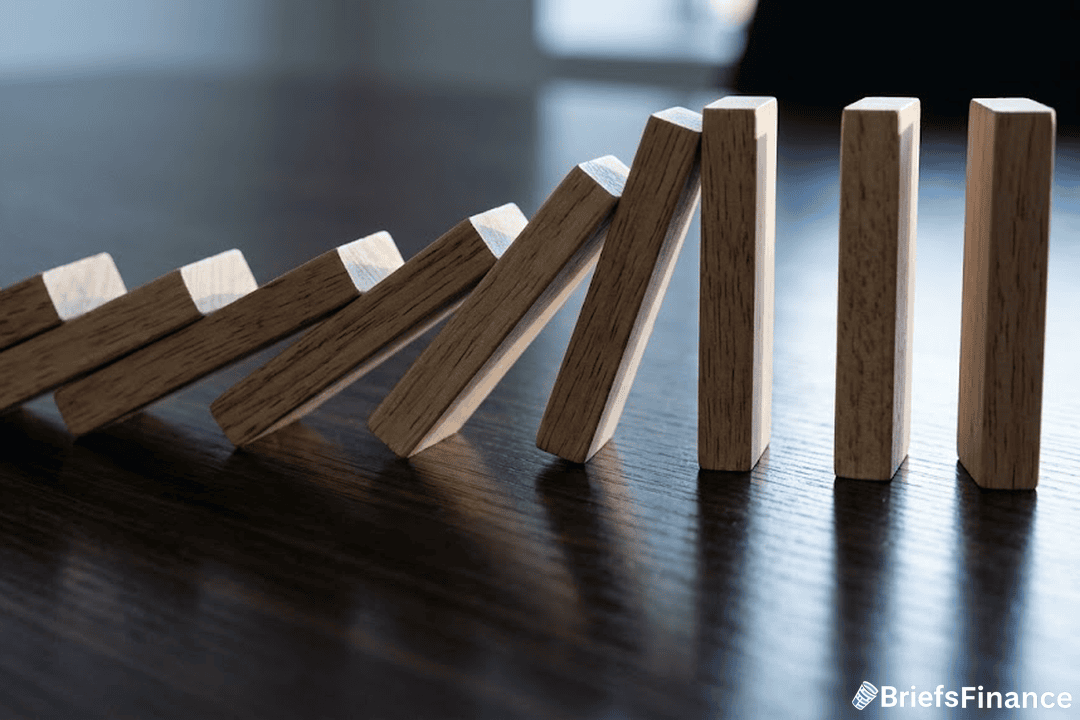
When people buy houses, a whole chain gets paid:
- Realtors
- Mortgage bankers
- Title companies
- Construction companies
When people stop buying, none of them get paid, and the same chain runs through the car industry and business lending. That trickles into every corner of an economy where the job market is already struggling, partly because of artificial intelligence.
The War With Iran Is What Forced the Rate Hike
At the start of 2026, everyone expected much lower interest rates by year end, with the Fed and the government pumping up the economy. Then the United States attacked Iran.
The attack was supposed to last a couple of weeks. It's now many months in with no end in sight, and it has driven up the price of everything.
Oil isn't just gas. It's diesel, so shipping food from the farm to the grocery store costs more, and it's fertilizer, so growing the food costs more.
Once groceries, gas and travel cost more, even a lawyer raises prices, because everything the lawyer buys costs more.
The war also has to be paid for, and every day it continues, more of your tax dollars fund it. Yet taxes aren't going up - in 2025 Trump signed the One Big Beautiful Bill Act, a tax cut.
The government borrows the difference, and that debt costs more now that rates are up. Some of it also gets printed by the Fed, which is inflationary.
That's the loop: the war forces printing, printing feeds inflation, and inflation forces the rate hike that now hurts the economy too. If the war ended tomorrow and oil fell sharply, the trajectory of the economy and the Fed would change dramatically.
Even then the problems wouldn't vanish, because the worst pain from an oil shock has historically arrived months later, not while prices are high.
A Helium Shortage Is Feeding the Inflation Behind the Rate Hike
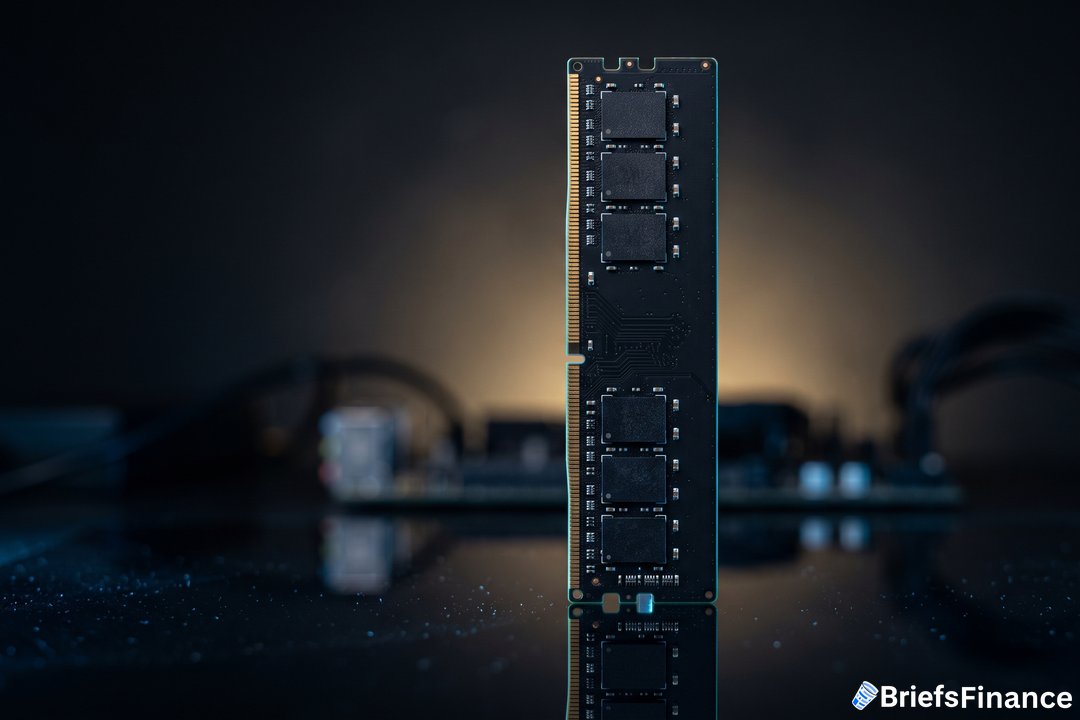
Helium is a limited-supply element, and the war destroyed a helium center in Qatar, cutting the world's supply significantly. That matters beyond balloons, because helium cools the facilities that make computer chips, including memory chips.
Memory chip prices are already skyrocketing. Demand is huge, supply is short, building new production takes years, and now there's less helium to make them with.
That shortage lands in your phone, your computer, your car and even your refrigerator. Tim Cook said as much in his last speech before retiring as Apple's CEO: expect electronics, phones, cars and appliances to cost more, from the chip shortage on top of inflation.
Two Ways Investors Grow Wealth Faster During a Rate Hike Cycle
As money moves, somebody gets wealthier. Your job isn't to panic but to see where it's moving.
There are two ways to grow wealth faster. The first is to invest during a market crash, like 2022, the 2020 pandemic, the 2008 financial crisis or the 2000 dot-com bust, when money put into something strong grew incredibly fast.
The second doesn't need a crash. It means putting money where the money is moving by identifying market shifts, which takes more research but doesn't leave you waiting on the sidelines.
Most people do neither. They panic, react and let emotions drive, and emotions are the enemy of profits.