Put $1,000 into Amazon stock when it first went public in 1997, and it would be worth about $3.5 million today. The same $1,000 in Nvidia, which went public in 1999, would be worth more than $5 million.
Those two numbers are why so many investors are excited about Anthropic stock. The company behind Claude has gone public at a valuation of about $1.5 trillion, not far behind SpaceX at around $1.7 trillion.
Selling shares on the stock market for the first time is called an IPO. Briefs Finance CEO Jaspreet Singh says buying this one is very different from buying those tech stocks in the 1990s.
The story is bigger than one company, because it touches the whole stock market and the economy. Jaspreet wants you to be a smarter investor, not somebody chasing headlines.
To keep up with the financial news as it happens, his team publishes Market Briefs, a free newsletter you can read in less than five minutes every morning.
Amazon Went Public at $440 Million, and Anthropic Stock Starts at $1.5 Trillion
Now that Anthropic stock is trading, regular investors can buy a share. OpenAI, the company behind ChatGPT, might go public too.
A lot of investors see these IPOs as a shot at the next Amazon or the next Nvidia, since early buyers of both would be very rich today. But a valuation is what a whole company is worth, and these four went public at very different ones:
| Company | Year of IPO | Valuation at IPO |
|---|---|---|
| Amazon | 1997 | Around $440 million |
| Nvidia | 1999 | Less than $500 million |
| SpaceX | 2026 | Around $1.7 trillion |
| Anthropic | 2026 | About $1.5 trillion |
Amazon is a multi-trillion-dollar company today. Nvidia is worth somewhere between $3 trillion and $4 trillion, a lot less than earlier this year because of the fallout around Jensen Huang.
Early buyers of both made so much money because the valuations went up so many times. Anthropic starts at about $1.5 trillion, so big returns need much bigger numbers:
- To double your money, Anthropic would have to be worth $3 trillion.
- To make 10 times your money, it would have to be worth about $15 trillion.
No company in the United States is worth anything near $15 trillion. Jaspreet says that gap is part of the concern.
The Early Growth Now Happens Before the IPO
Companies in the 1990s went public at much smaller valuations, when they were much smaller businesses. Today they stay private longer, so the early-stage growth goes to private investors instead of public investors on the stock market.
Jaspreet says everything is possible. Still, investors buying Anthropic for Amazon-style growth may not see it, and paying for growth that doesn't show up is how investors get hurt.
Anthropic Revenue Is About $33 Billion, and Investors Are Paying More Than 40 Times That
The second concern is whether Anthropic is worth $1.5 trillion at all. It has made about $33 billion in revenue this year, the money a company brings in from sales.
Money is coming in, but there is no profit. Jaspreet says Anthropic is losing money, so it gets valued as a multiple of its sales instead.
At $1.5 trillion, buyers of Anthropic stock are paying more than 40 times sales. Amazon is valued at around 3 times sales.
Why pay so much more? Investors are valuing Anthropic on what they think it could become, with sales that explode and profits that are very high one day.
Buying at this valuation means paying for that future growth now. It is a bet that Anthropic will outgrow what most people already expect.
Anthropic Stock Arrives Just as AI Bubble Worries Get Loud
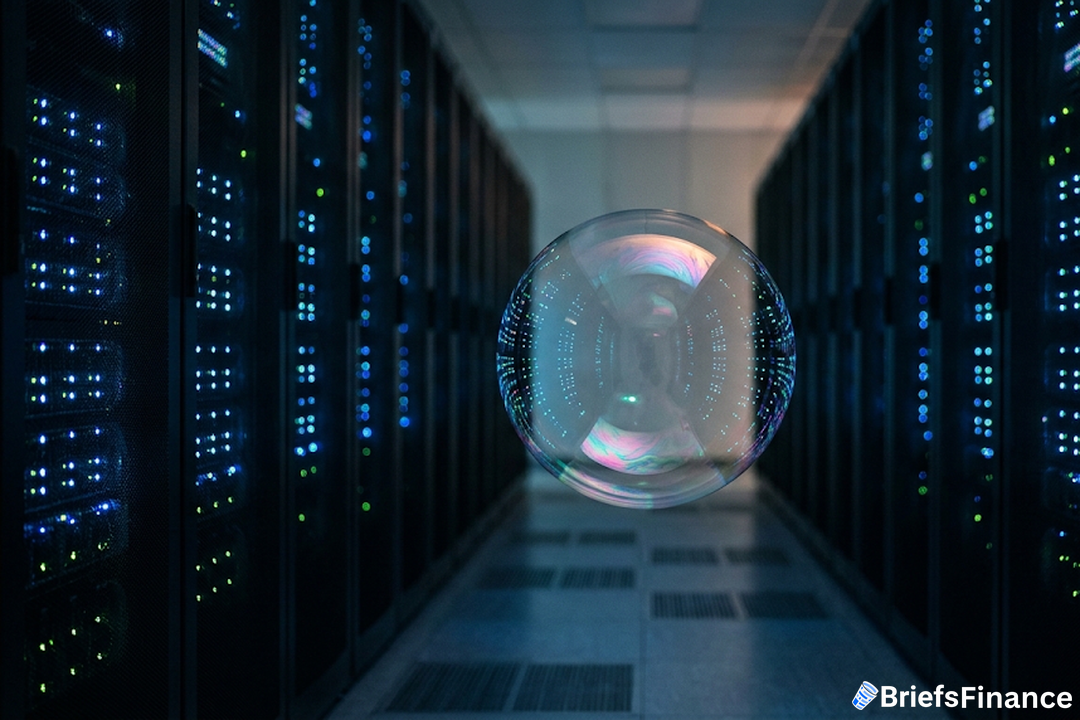
Worries about an AI bubble, where prices climb far higher than the businesses behind them can support, have gotten really loud. The drama at Nvidia is a big reason.
Nvidia Lost the Visionary Behind Its AI Deals
Jensen Huang was the visionary at Nvidia. He was one of the people who built the deals between Nvidia and AI companies like Anthropic, OpenAI and Elon Musk's xAI.
Nvidia invested in those companies, and those companies then bought chips from Nvidia. Then Huang left.
He now wants to come back, and as of this writing the board has said no. Tech has been swinging a lot ever since.
Nvidia was the largest company in the world, with a huge influence on tech and AI. As it fell, the rest of the tech industry got hit too.
Higher Interest Rates Lean on Speculative Tech
Inflation, the rise in prices over time, has been running higher too. The Federal Reserve, the central bank of the United States, says it will have to raise interest rates again.
The Fed is even talking about a jumbo interest rate hike in December, a bigger increase than usual. Jaspreet calls the odds low, though this is the first time the idea has come up.
Higher rates put pressure on speculative companies, the ones valued more on promise than profit. A lot of tech fits, because tech generally benefits when money is cheap.
All of that pressure landed right as Anthropic wanted its monster IPO. If AI companies can't keep raising money, Jaspreet says, the growth of AI can slow down.
Is AI a Bubble? Even the People Running AI Companies Disagree
Some of the biggest names in finance and tech have picked a side:
| Who | What they said |
|---|---|
| Michael Burry, the investor behind The Big Short who predicted the 2008 housing crash | The AI bubble may burst sooner rather than later |
| Jamie Dimon, CEO of JPMorgan Chase, the biggest bank in America | There is too much exuberance, or excitement, in the market |
| Sam Altman, CEO of OpenAI | "Someone is going to lose a phenomenal amount of money" |
| Jensen Huang, before he left Nvidia | From Nvidia's vantage point, he saw "something very different" from a bubble |
Altman's reasoning is that when bubbles happen, smart people get overexcited about a kernel of truth. He says that is happening right now.
Huang's view was that there is no AI bubble, and that AI is still in its early stages.
You May Already Own AI Through the Mag 7 Stocks in Your 401(k)
Jaspreet's view is that it doesn't really matter which side you believe. Either way, the AI industry has been propping up the stock market and the economy.
If you invest in a target date fund in your 401(k) or in an S&P 500 fund, your money is heavily weighted toward the Mag 7. A target date fund is a retirement fund built around the year you plan to retire.
The Mag 7 stocks are the seven largest companies in the stock market, and Jaspreet describes them as all tech and pretty much all AI.
Together they account for about a third of an S&P 500 fund. So when a few big AI companies are in pain, they bring the entire market down with them.
Some Anthropic Insiders Can Sell Their Stock Immediately
IPOs come with one more concern, called the pump and dump. It was a big topic during the SpaceX IPO, and the worry is back with the Anthropic IPO.
The idea is that insiders, the early buyers who owned shares before the IPO, use it as their chance to sell while new investors rush in to buy.
Normally a lockup period slows that down, because early buyers have to wait something like 180 days to sell. Anthropic's version is more complicated:
- It has 23 different selling windows for different insiders, depending on when they bought.
- Other rules come attached to those windows.
- Some insiders can sell immediately.
The concern is that new investors buy Anthropic stock at the peak while the insiders who are able to sell do exactly that.
The Anthropic Stock Price Is Not What You're Buying
Nobody knows what comes next for Anthropic or for tech, Jaspreet says. Everybody just has an opinion.
What he wants you to remember is that buying a stock means buying its valuation, not its share price. For the stock to double, the valuation has to double.
Trillion-Dollar Companies Have Doubled Before
A $1 trillion company has to become a $2 trillion company, and that isn't impossible. When Apple and Amazon became the first $1 trillion companies some years ago, people called it the worst time to buy.
Their logic was that a company that size would have to double from there for investors to see growth. Then Amazon and Nvidia hit multi-trillion-dollar valuations, and it didn't take that long.
Part of the reason is that more money keeps entering the economy. The government keeps printing money with the Federal Reserve and then spends it, and more dollars in the economy have pushed valuations up.
The flip side is that valuations may now be too high to make sense. Investors are asking whether higher interest rates, with a Fed hike very likely in December, will be the needle that pops the AI bubble.
Panic Selling Is How Investors Make Everybody Else Rich
An investor's job, Jaspreet says, is to cut through the emotion and the noise and understand what they're investing in. For a long-term investor, that means finding good investments and owning them for the long term.
What happens over the next six months, or even the next two years, is all just noise. Markets go up and markets go down, and while there could be a bubble, he says AI is not going away.
If there are assets you want to own, he suggests using downturns as a chance to buy more while they're cheap. Most people panic and sell instead, and their selling creates the best buying opportunities.
It isn't easy. Your portfolio is down, everyone is losing money, and news that says the end is near creates more panic and anxiety.
For a breakdown of what is happening in the economy, housing, stocks, crypto and global markets, the free Market Briefs newsletter arrives every morning.
Jaspreet says the panic is the time to come in and buy even more. That takes money set aside ahead of time, and his rule is to use the good times to prepare for the bad ones.
Otherwise you are the person making everybody else rich.