The Federal Reserve is an independent agency from our government and sets monetary policy to control the flow of money throughout our economy.
So the short answer? Kind of.
Long answer? It's more complicated than that…
When most people ask does the Fed print money, they picture a big machine spitting out $100 bills.
That's not exactly what happens. The U.S. The Treasury Department - through the Bureau of Engraving and Printing - is the one that physically prints paper currency.
But the Fed decides how much money needs to be printed based on two mandates:
Price stability: More money = more inflation, so if prices are rising or falling too fast, the Fed steps in (usually by changing its interest rates).
Maximum employment: he represents the maximum number of people that can be employed in our economy before inflation (and prices) start getting impacted.
The theory behind the Fed is that its independence of politics or Presidential administration changes - that way it can work on these two above mandates without pressure.
Let’s break down if the Fed really does print money, how this works (with examples), and the bottom line for investors.
The Fed is just one reason why our economy has changed so much over time and why it’s more important than ever to be an investor.
Our CEO Jaspreet Singh is hosting a free live workshop on March 16th that can help you spot potential opportunities in the market and get an edge on Wall Street.
Save your spot for the free workshop by clicking here.
So What Is the Federal Reserve, Exactly?
The Federal Reserve or "the Fed" - is the central bank of the United States.
Think of it as the bank for banks.
It doesn't serve regular customers. Instead, it oversees the entire banking system and controls the flow of money through the economy.
Its two main jobs?
- Keep inflation under control.
- Keep employment high.
To do that, the Fed has one very powerful tool: interest rates.
How the Fed Actually "Creates" Money
Here's where it gets interesting.
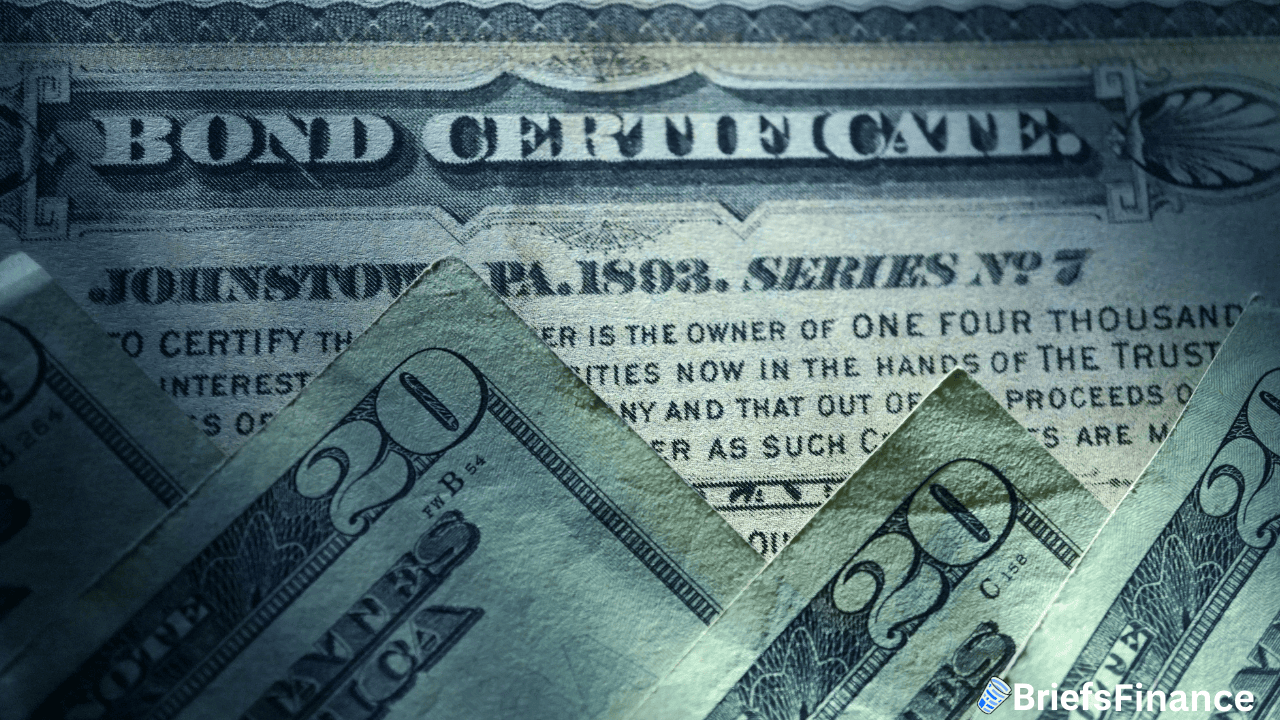
The Fed can create money electronically. When it wants to pump money into the economy, it buys things - typically government bonds - from banks.
It pays for those bonds by simply crediting the bank's account. That money didn't exist before. Now it does.
This process is called quantitative easing, and it's one of the primary ways the Fed expands the money supply without physically printing a single dollar.
The result? More money circulating in the economy. More lending. More spending. And often - more inflation.
We saw this play out in real time just a few years ago (we'll give an example in just a second).
But, the Fed can also do the opposite, by shrinking the monetary supply. This is called quantitative tightening.
Those bonds they bought before? They sell them, which means less money for banks, and less money in our financial system.
The goal there is to reduce inflation, and in theory, less money = less inflation.
The 2020 Playbook: A Case Study
When the pandemic hit in 2020, the economy cratered. The Fed responded fast.
It slashed interest rates dramatically - bringing them close to zero.
It also bought massive amounts of bonds to flood the system with money.
The goal was to make borrowing cheap and easy so businesses could survive and consumers could keep spending.
It worked - the 2020 recession was the shortest one in U.S. history, lasting just a few months.
By 2021, the S&P 500, Dow, and Nasdaq all hit record highs.
Corporate profits for S&P 500 companies rose by roughly 30% year-over-year on average.
The housing market exploded - the average home price jumped from $384,000 in Q4 2019 to $496,000 in Q4 2021.
But it wasn’t without consequences.
All that extra money in the system pushed prices up everywhere. By 2022, inflation hit 9.1% - a nearly four-decade high.
Eggs, gas, houses, cars - almost everything got more expensive.
So the Fed reversed course. It raised interest rates aggressively in 2022. Markets had their worst year since 2008.
That's the cycle. And understanding it is one of the most important things you can do as an investor.
Why This Matters to You as an Investor
Here's the rule that changes everything:
Lower rates = more spending.
Higher rates = less spending.
When the Fed lowers rates, borrowing gets cheaper. That means:
- More people take out mortgages.
- Businesses borrow to expand.
- Investors take on more risk.
- Stock prices tend to rise.
When the Fed raises rates, the opposite happens.
Borrowing gets expensive. Spending slows. Inflation cools - but markets often suffer.
The key insight? Inflation actually benefits investors - up to a point.
When prices rise, company revenues rise. Earnings go up. Stock prices typically follow. That's why markets were hitting records even while the economy was struggling in 2022.
Investors are owners of these publicly traded companies. So when these businesses earn more, investors get a part of those increasing profits.
But when inflation runs too hot, the Fed steps in with higher rates - and that's when markets feel the pain.
The Fed Rate vs. Your Money: A Simple Breakdown
| What the Fed Does | What It Means For You |
| Lowers interest rates | Cheaper mortgages, cheaper loans, rising stocks |
| Raises interest rates | More expensive debt, slower market growth |
| Buys bonds (QE) | More money in the system, inflation risk rises |
| Sells bonds (QT) | Less money in the system, inflation cools |
Does The Fed Print Money? The Bottom Line for Investors
The Fed doesn't technically print money - that is up to the Treasury Department.
But, it controls the flow of money. And that flow is one factor that can influence whether we're in a boom or a bust.
When rates are low, markets tend to thrive.
When rates are high, cash and bonds become more attractive.
Understanding where the Fed is in this cycle is one of the most powerful edges you can have as an investor.
And when the Fed makes major changes to its policies, that’s what our analysts call a market shift.
Spotting these market shifts before the rest of the market can help investors potentially profit.
How do we spot them? Our CEO Jaspreet Singh is hosting a free live workshop on March 16th that helps you get an edge on Wall Street by spotting these shifts and opportunities early.
Register for free here - but act fast, spots are limited.