What JPMorgan is saying
JPMorgan's new analysis argues the current El Niño could continue to lift food costs and squeeze water supplies into 2027, even after the Pacific pattern begins to ease. Context is crucial: natural warming in the tropical Pacific is stacking atop long-term climate change and intersecting with drought, wars, and other market shocks.
"It's going to be inflationary," said Sarah Kapnick, the firm's global head of climate advisory. She said the hit to agriculture and commodities could run longer than past episodes suggest. Kapnick also wrote that recent heat waves are "a test for the floor, not the ceiling, for temperatures in future years," and described El Niño as "a near-term stress test for a hotter world." In her words: "Today's conditions can help identify vulnerabilities, anticipate future needs, and make more informed decisions about where investment in adaptation and resilience may be needed."
How the heat lingers
El Niño typically spins up in spring, peaks in late fall or winter, and then fades the next spring or summer. The atmosphere cools more slowly than the sea, though. Kapnick compared the ocean to a giant heat battery and said a shift to cooler La Niña conditions could arrive by June or July, while leftover heat sticks around into fall or longer.
The starting point is already exceptional. Scientists expect 2026 to set a new global temperature record and 2027 to come in even hotter. Seasonal models cited by JPMorgan see averages around 1.8C above preindustrial next February and March, with some simulations exceeding 2C for the first time, and they keep temperatures unusually high into summer.
When big forces shape the economy, stay informed with the free Market Briefs that explain markets, crypto and real estate quickly
Prices and crops
Commodity markets are reacting. Kapnick highlighted cocoa and coffee as particularly at risk because they are grown in tropical regions and need narrow bands of temperature and rainfall.
Historically, strong El Niño episodes have lifted global food commodity prices by up to 9%, and the maximum effect tends to show up roughly 16 months after the onset. Kapnick warned that current outlooks may not fully reflect the chance that severe heat next summer further tightens supplies.
Water and infrastructure strain
Heat risk is not confined to fields.
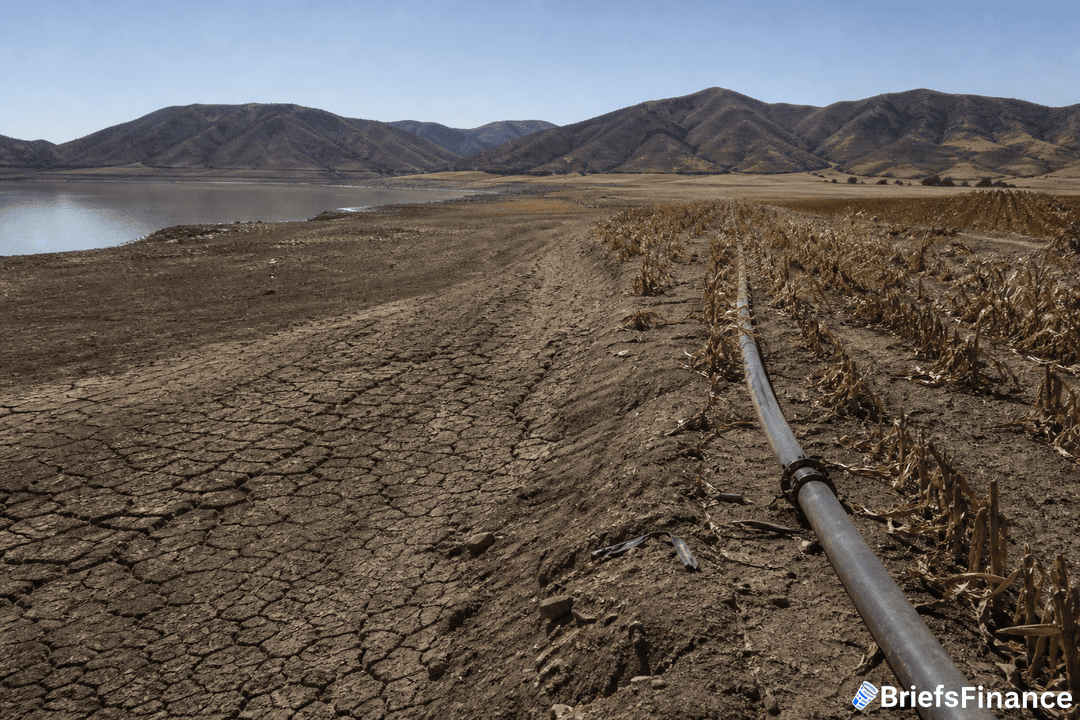
Waterways and reservoirs are flashing warnings. Shallow water on Germany's Rhine has reduced coal deliveries to power plants. Across the western US, prolonged drought has left the Colorado River's major reservoirs shrunken heading into winter: as of the beginning of November, Lake Powell sat roughly 92 feet under its historical same-date median, and Lake Mead was about 88 feet below. A warmer, drier winter could mean less mountain snow to refill the system before another hot summer, and under current drought conditions, even normal snowfall may not be enough.
Because small changes can affect your budget and plans, sign up for the free Market Briefs newsletter to get quick daily context