What happened
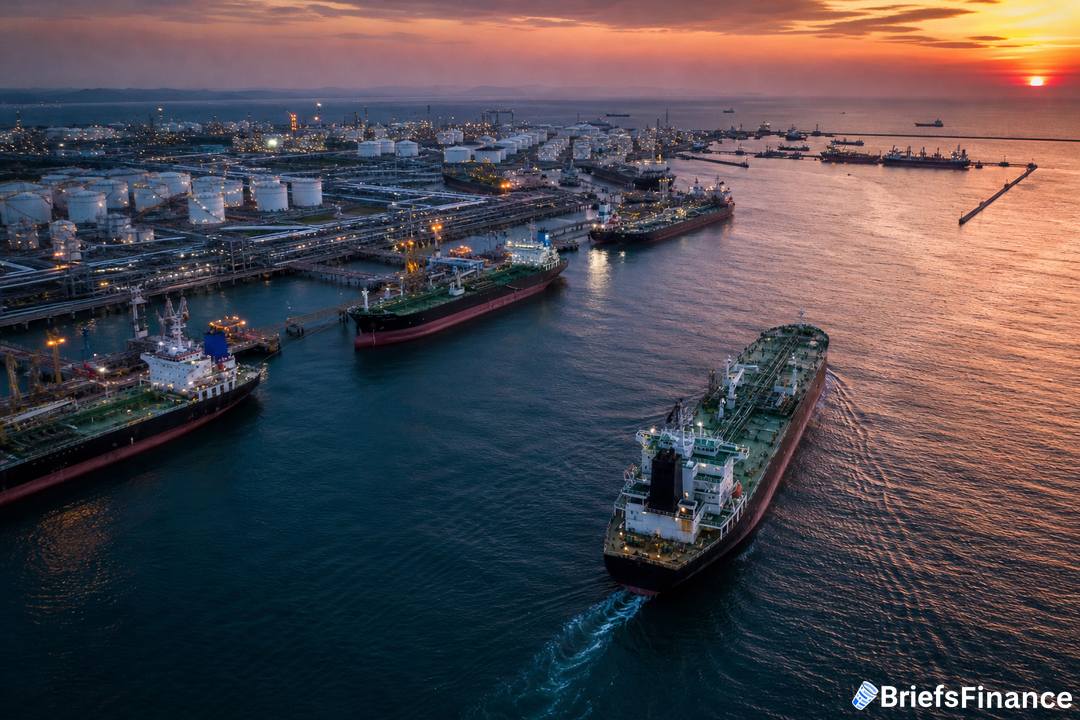
Reliance Industries has bulked up its time-chartered supertanker roster to around 12, versus a prior range of seven to eight, people with knowledge said, noting the tally can swing as leases roll off or are renewed. During an earnings call on Oct. 30, Srinivas Tuttagunta, who oversees supply and trading at Reliance as its chief operating officer, stated the company has about 25 crude and product carriers under time charter. The duration of those deals is not public, and some shipbrokers say Reliance has opted for shorter terms on parts of the book.
India's state-owned processors have also been hunting for ships to tie down for months or even years, those people said, though none had finalized a new charter by last week. Indian Oil Corp. said last month it is pursuing more long-term charters and plans to purchase vessels. On Oct. 31, Finance Director Anuj Jain said Indian Oil currently has three crude carriers and nine liquefied petroleum gas ships on time charter. People familiar said Bharat Petroleum Corp. has chartered two VLCCs and also employs six very large gas carriers, with a plan to renew those deals in January for another three years.
Why chartering picked up now
A conflict-driven shortage of very large crude carriers has propelled freight rates to historic peaks and thinned the pool of available ships. In response, the U.S. has allowed some sanctioned dark-fleet tankers back into service, India relaxed ship age limits, and big traders including Trafigura and Vitol have applied for U.S. licenses to return blacklisted vessels to work.
Before the U.S.-Iran war, Indian refiners commonly bought Middle East crude on a free-on-board basis, arranging their own transportation one voyage at a time. After several vessel attacks, more sellers shifted to delivered terms as buyers hesitated to send their own ships through the Strait of Hormuz. At the same time, surging freight chipped away at the hefty price breaks Gulf producers had been offering. As a result, several processors - Reliance among them - are securing vessels at fixed rates to rein in transport expenses.
When global trade influences business decisions, staying informed matters, so sign up for the free Market Briefs to get quick context every day
The bigger backdrop
India, the world's No. 3 oil importer, brings in over 90% of its crude and owns limited tanker tonnage, so access to ships is a supply lifeline. As Sumit Ritolia of Kpler put it, "With Indian refiners increasingly diversifying their crude supplies across the Middle East, Russia, West Africa, Brazil and other regions, having vessels under their control allows them to adjust sourcing strategies and respond more quickly to changing market conditions." He added, "We could see greater interest in longer-duration charters, particularly for regular crude requirements."
VLCC profitability has also swung widely this year and remained rich, based on Baltic Exchange assessments of the VLCC TCE index. That volatility helps explain the rush to secure capacity before costs swing again.
Reliance, Indian Oil and BPCL did not immediately respond to emailed requests for comment.
What it means for your portfolio
Time charters trade day-to-day price risk for predictable shipping costs and steadier logistics. For refiners, that can blunt the impact of rate spikes on margins; for investors, it shifts where volatility shows up in the P&L. Watch for capital and operating expense lines at Reliance, IOC and BPCL as they prioritize supply security, and for tanker owners benefiting from tight capacity and elevated earnings.
With so many moving parts in markets, it's helpful to have clear updates, so subscribe to Market Briefs newsletter for five minute summaries