Resch's message to Mercedes management
Barbara Resch, who leads IG Metall's wage talks at Mercedes-Benz Group AG and sits on the automaker's supervisory board, said in an email Friday that simply asking staff to work longer will not resolve the company's challenges. She added that even an agreement to extend the 35-hour week would still leave underused factories and open questions on the model portfolio.
Resch argued the company needs clear, binding product and investment plans for Germany. She said regular cost programs and shifting promises have eroded trust and the company "needs to take responsibility and say what future it plans for its German sites."
How the union action is unfolding
IG Metall rolled out a wave of 24-hour walkouts on Friday as a different nationwide clash with manufacturing employers centered on wages, benefits and working time. The escalation is poised to snarl operations at companies already squeezed by weak demand, higher costs and tougher global competition.
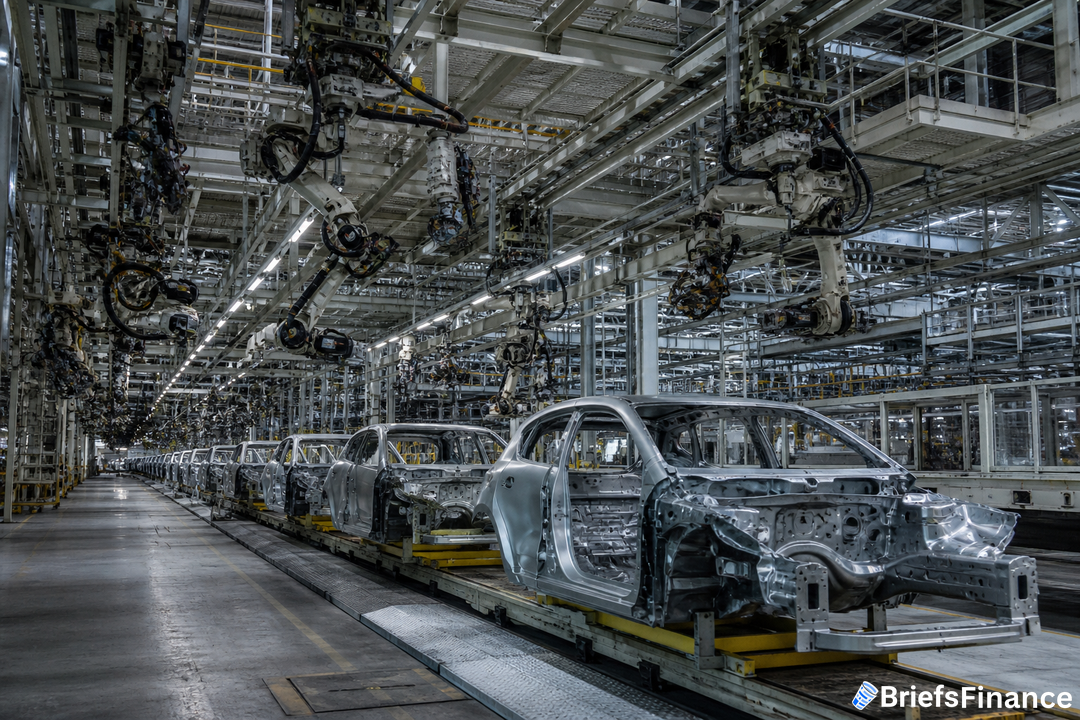
Production will be paused at Audi's main Ingolstadt plant and at BMW facilities in Munich, Dingolfing and Landshut. Workers at locations operated by Robert Bosch GmbH, ZF Friedrichshafen AG and other manufacturers in Bavaria are also set to down tools for an entire day.
When business and policy questions affect companies, staying informed matters, so sign up for the free Market Briefs to get five minute daily updates
VW's cost squeeze and what is on the table
The stoppages arrive while VW is pushing for further savings in Germany after a September agreement with labor representatives that could lift planned job cuts to 100,000 worldwide. According to IG Metall, an additional 12,000 reductions and potential closures at VW's Emden, Hanover and Zwickau sites and Audi's Neckarsulm plant are also under discussion.
At Mercedes and VW, executives propose stretching the 35-hour week without added pay and freezing wages for two years. At VW, IG Metall officials label the package a "catalog of horrors," arguing it also targets profit-sharing, supplemental payments, and a paid rest break for certain shift staff.
What this means for your portfolio
Germany's carmakers are juggling soft demand in Europe and China, rising competition from Chinese brands, the costly pivot to electric vehicles and high labor and production costs. In plain English: management is trying to push through labor changes while labor wields real influence over investments and restructuring, thanks to parity on supervisory boards and strong works councils.
The bottom line: outcomes on working hours, wage growth, profit-sharing and potential plant closures could reshape cost bases and capacity at Mercedes, VW, Audi and key suppliers. That feeds directly into margins, capex plans and, ultimately, the earnings power behind these stocks.
To keep pace with labor and industry shifts, your free Market Briefs newsletter breaks down what to watch in five minutes