What the numbers show
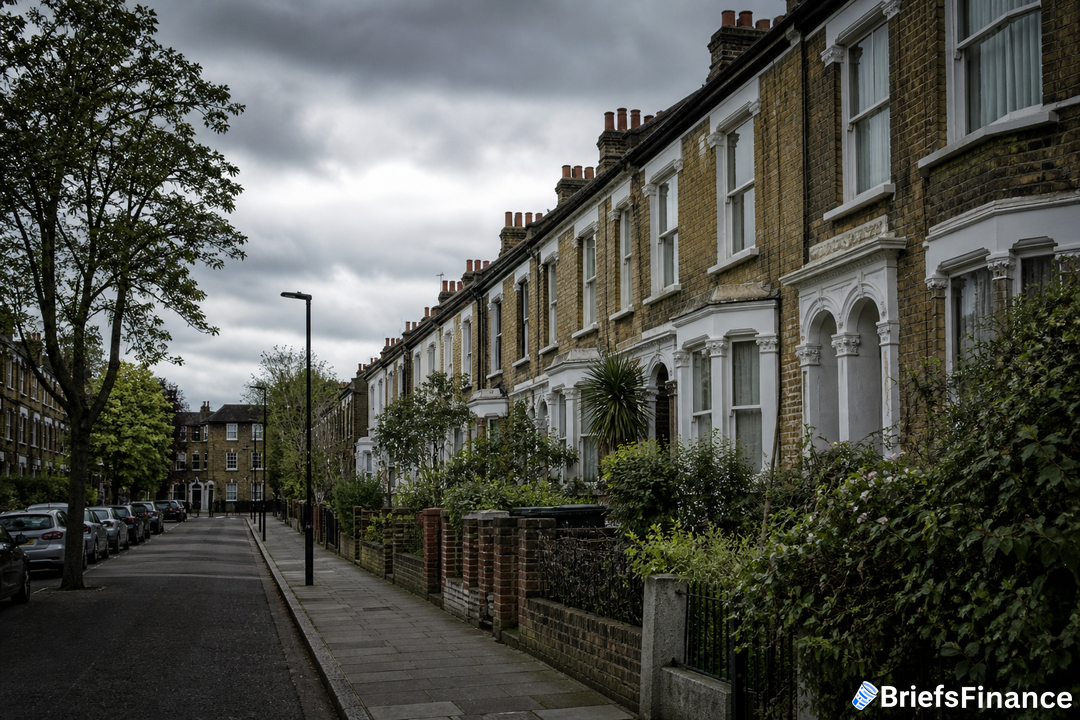
Inner London took the brunt of the downturn, with average prices now at £621,491 after a 7.2% annual slide - the worst since the financial crisis period in 2009. Prices in central districts have declined in nine of the past 12 months.
Of the 10 areas seeing the sharpest falls, seven are in inner London, headed by Westminster, down 18.5% year on year, with Kensington & Chelsea off 15.6%. One chart flags another milestone: inner London homes are £50,000 below their 2025 peak.
Why mortgage costs matter
Borrowing costs have climbed with the Iran energy crisis, pushing key mortgage rates close to 6% compared with 4.83% just before the conflict began. This month, the Bank of England delivered its first rate hike in over three years and signaled that another rise could arrive as soon as December to curb inflation.
That squeeze bites hardest where prices are highest. London homes still trade at about twice the UK average, so buyers there need bigger deposits and take on more debt. "House price-to-income ratios are more stretched in inner London, which makes prices much more susceptible to rises in interest rates, and we've had three big leg ups in mortgage costs lately" said Lucian Cook, who leads residential research at Savills in London. Cook added that the prime segment is being squeezed by higher government levies on the priciest properties and by unstable geopolitics.
When housing and borrowing feel uncertain, stay informed with the free Market Briefs newsletter that explains the key developments in minutes
The broader market backdrop
Across London, compared with the July peak last year, values have dropped by £23,000 for a typical home, ONS figures show. Flats have lagged other property types and account for around half of sales in the capital, compared with about a fifth across Britain.
The national picture is more mixed. Across the UK, annual growth was 1.2% in September - the same as the month before - with gains led by the North East and North West, while London and the South East declined. Demand for home loans is at a 33 month low, property surveyors see a 1% drop over the next year as the sales outlook weakens, and Nationwide reported prices stagnated in October as mortgage costs stayed high.
What this means for your portfolio
This is a rate sensitivity story. Funding costs are up, London values are retreating faster than the national average, and flat-heavy segments are dragging. The bottom line: watch the Bank of England's next move, where mortgage rates settle, and how quickly activity returns - those will steer the next leg for London housing risk and returns.
With so much to consider about homes and rates, subscribe to the free Market Briefs for a clear daily summary