The plan and the pace
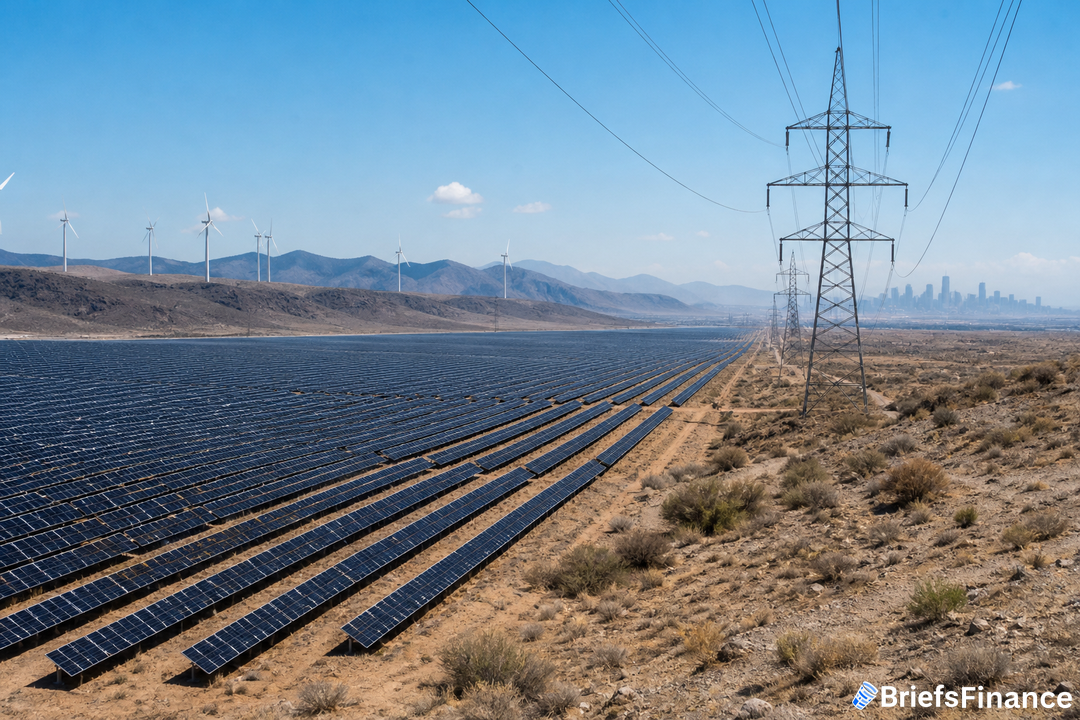
India's largest state economy, and among its most industrialized, is aiming for a sharp clean energy pivot: Maharashtra wants renewables to provide 52% of its electricity by 2030, up from roughly 15% now, said Lokesh Chandra, chairman of the state's biggest power distributor.
The state contributed about 6% of the country's renewable output in the six months through September. Nationally, non-fossil sources made up 56% of installed capacity last year, already ahead of India's 50% by 2030 target, and New Delhi has since pledged to lift clean energy to 60% of total capacity by 2035.
What is driving demand
Chandra projects peak load will climb about 40%, reaching 45 gigawatts before the decade closes, with total power demand growing 7% to 8% annually. Much of that is expected to come from new loads, with data centers and green hydrogen leaning heavily on renewable power.
On data centers he said: "We expect at least 7 gigawatts of demand from data centers by 2030," and noted the industry would represent over half of the additional requirement. On green hydrogen: "Green hydrogen is a bit slow now, but we expect demand there to pick up as the economics becomes more favorable to consumers." Movement toward EV adoption, together with initiatives to cut emissions in energy-intensive manufacturing, is likewise projected to reduce reliance on fossil fuels.
When energy and policy shifts matter to your financial plans, sign up for the free Market Briefs to stay informed.
Keeping the lights on
To handle more solar and wind, Maharashtra plans to scale up energy storage so the grid can absorb variable output. At the same time, the state intends to replace aging coal-fired units with new plants to maintain baseload supply. Still, clean energy "is the way forward," Chandra said.
Why it matters for your portfolio
Maharashtra sits on India's western coast and is a heavyweight in services and manufacturing across autos, steel and pharmaceuticals, which helps explain why it is the country's largest user of electricity. For the year ended March 2026, the size of its economy topped 54 trillion rupees ($578 billion). Mumbai, the capital, hosts Reliance Industries Ltd., led by billionaire Mukesh Ambani, and the Tata Group. The bottom line: data center buildouts, storage projects and grid upgrades point to multi-year demand for renewables, batteries and power gear, while coal plant replacements signal ongoing spend on conventional generation too.
If you want quick clarity on economic and market trends, get our free Market Briefs newsletter in five minutes or less daily.