What happened in Marshall, Michigan
Ford said Wednesday it has started U.S. battery cell output for its next wave of electric vehicles using technology licensed from China's CATL. The first cells rolled out last month at the Marshall complex, and they are already shipping for prototype builds of the Fathom small electric pickup that CEO Jim Farley has positioned against Tesla and Chinese competitors.
Ford framed this as a step toward wider use of lithium iron phosphate cells - the lower cost LFP chemistry - in U.S. vehicles. The chemistry was developed in the U.S. but reached commercial scale largely in China. Alan Clarke, who oversees advanced development projects as a vice president at Ford, said the CATL license enables Ford to introduce the low-cost chemistry in the United States as rapidly as possible. While guiding visitors through the plant on Tuesday, Clarke said, "If we want to get to being able to produce affordable EVs in the United States, we need to also do it the fastest way possible." "CATL being the biggest in the world means that they're the best supplier to get us that technology and help us learn ourselves how to produce LFP cells."
Capacity, pace, and the ramp
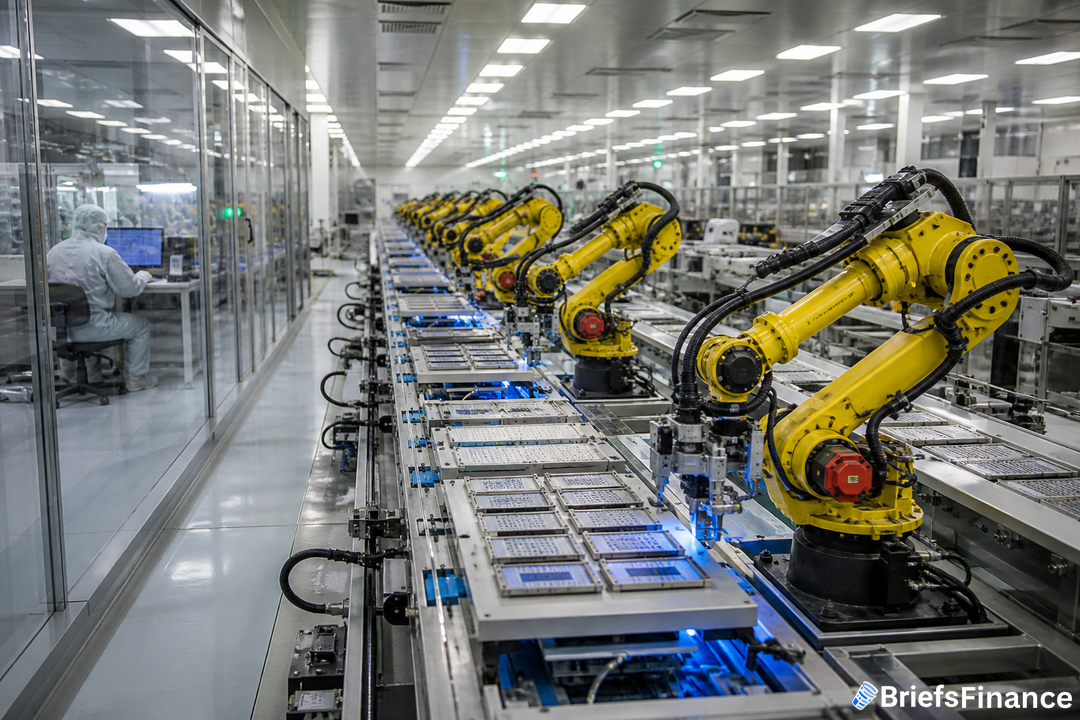
Ford says the highly automated Marshall operation should be able to turn out 40 battery cells per minute, equating to roughly 20 gigawatt-hours a year for its EV lineup and energy storage business. That goal is below the company's earlier plan that called for up to 40 gigawatt-hours annually, reflecting an EV slowdown at Ford and across the sector. The company also said the site has room to add capacity if needed.
Ford remains at an early phase of certifying its processes and plans to ramp cell production next year ahead of the Fathom's expected launch in the fourth quarter of 2027. The automaker said moving faster on throughput will help lower battery costs.
When new technologies reshape industries, stay grounded with the free Market Briefs newsletter that explains markets clearly every day
The political backdrop and why it matters
In Michigan, the decision to build CATL-licensed batteries drew rebukes from certain members of Congress as well as U.S. Transportation Secretary Sean Duffy, who objected to Ford's relationship with the Chinese battery giant. In September, Duffy sent CEO Jim Farley a letter expressing "profound concern" about Ford's relationships with Chinese companies that he said could harm the automaker and the U.S. auto sector. The White House a day later commended the company for its domestic jobs and manufacturing.
As the largest producer of U.S. vehicles, Ford has consistently highlighted its American heritage, employment, and factories while both the Biden and Trump administrations press for more domestic production. The bottom line: Ford is anchoring its next EV wave to lower cost LFP cells and a licensed design from the world's biggest cell maker. For your portfolio, watch certification progress, the ramp toward 20 GWh, any capacity add-ons, and whether Fathom lands its late 2027 debut on schedule.
As supply chains and manufacturing evolve, get straightforward context by signing up for Market Briefs, our free daily newsletter