The deal and what Jupiter will handle
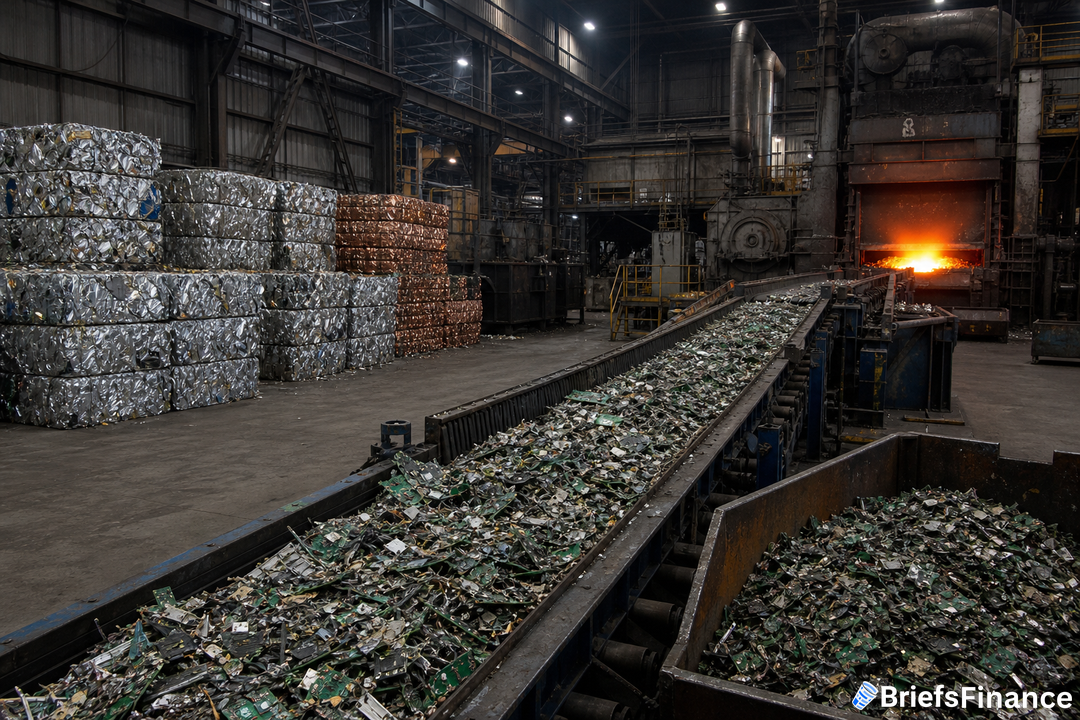
Korea Zinc is combining its U.S. recycling and metals unit, PedalPoint Recycling, with closely held Solarcycle to create Jupiter. The new venture will extract and process materials from decommissioned information technology and energy infrastructure, including hardware serving data centers and other large industrial users.
Who owns what and where it starts
Korea Zinc will hold a 70% stake in Jupiter, while Solarcycle will own 30%. According to the companies, the customer list already includes Microsoft Corp., Prologis Inc., and Brookfield.
Ties to the Tennessee smelter and policy backdrop
The partnership intends to handle both recycling and refining of recovered metals through Korea Zinc's smelting network, which includes a proposed $7.4 billion plant in Clarksville, Tennessee. This setup provides Korea Zinc with another potential stream of raw materials for the Tennessee project, which is backed by the US government and slated to start production in 2029. If built, it would produce zinc, copper, gold, silver, and smaller volume metals such as antimony and germanium. Called Project Crucible, the effort ranks as one of the biggest planned U.S. metals refining investments in decades, and is one of many initiatives the Trump administration has supported to bolster a domestic critical minerals supply chain while cutting dependence on Chinese exports.
Smart investors look for new tools that reveal opportunity in shifting industrial supply chains. We're hosting our first ever investor livestream on 11/17 to show you how to use ChatGPT and Claude to invest like a pro, hosted by Briefs Finance CEO Jaspreet Singh. Save your seat.
Why it matters for your portfolio
Suvi Sharma, Solarcycle's CEO and the incoming head of Jupiter, said, "Even under the Biden administration, there were a lot of incentives put in to bring a lot of this manufacturing and capability stateside," adding, "This is a long-term trend, no matter who's in the presidential seat or the House." In plain English: Jupiter positions Korea Zinc and Solarcycle to capture recycled feedstock for a potentially significant new U.S. smelter, linking customer e-waste to domestic refining capacity. For investors tracking critical minerals, data centers, or U.S. reindustrialization, this is a concrete move that could influence supply, costs, and project timelines heading into 2029.
Keeping an open mind about emerging technologies can help investors maintain a long term edge. On 11/17, our CEO Jaspreet Singh goes live for our first ever investor livestream on how to use ChatGPT and Claude to invest like a pro. Register to join him.