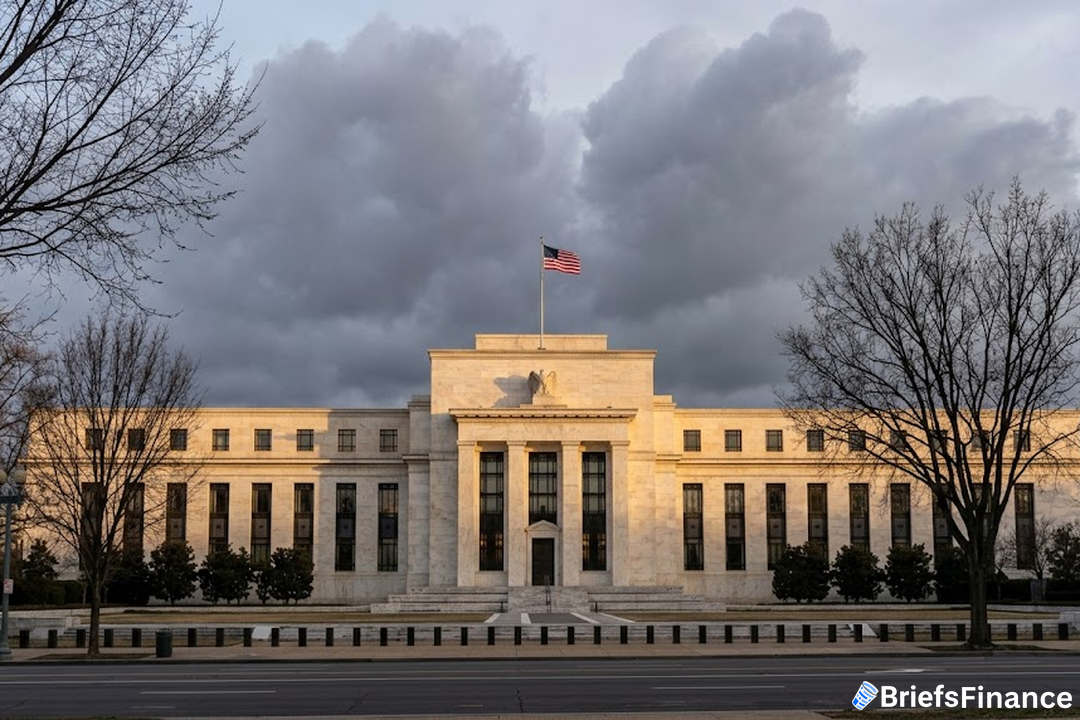
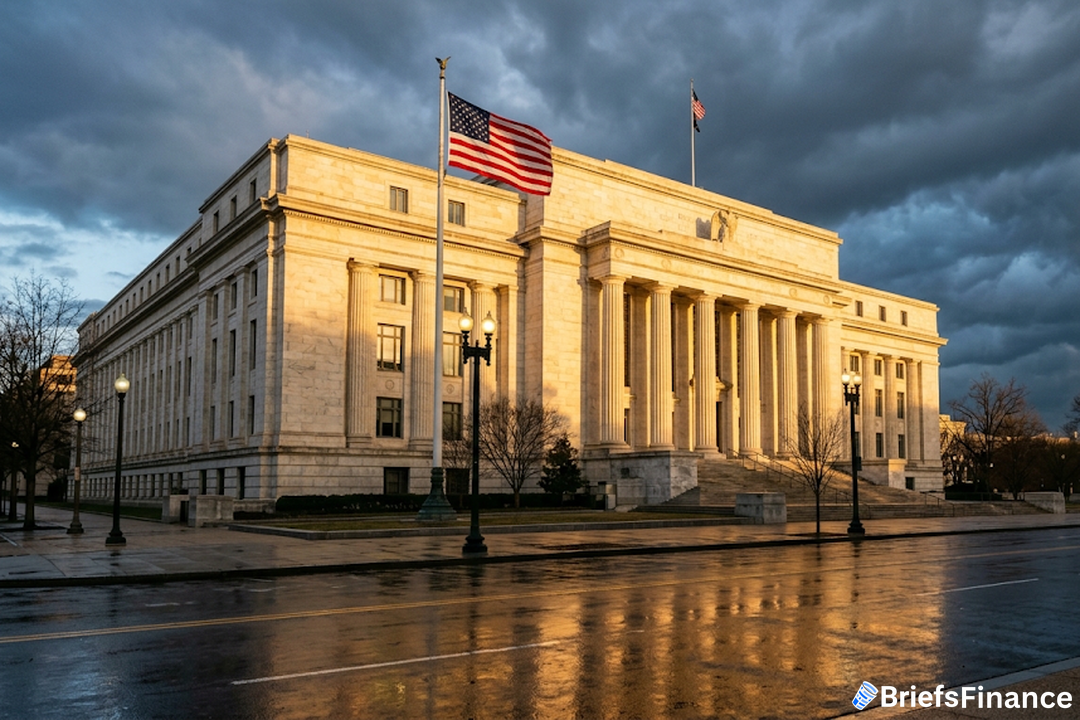
The Federal Reserve is trapped in a way we have never seen before. It may have to raise interest rates aggressively at the same time the national debt has become a very big problem.
Briefs Finance CEO Jaspreet Singh says most people won't pay attention until they feel the pain in their wallet. He would rather you understand what is happening and how it creates investment opportunities.
That takes research. Jaspreet says AI tools are almost like having a Wall Street-level analyst at your fingertips, but used the wrong way they give bad answers that can lead to bad investments.
His free livestream on November 17 shows how he and his analysts use ChatGPT and Claude to research investments.
From Rate Cuts to Interest Rate Hike Talk in Two Years
| When | What the Fed said |
|---|---|
| September 2024 | Declared the war on inflation over and started cutting interest rates |
| 2025 | Said it was so far ahead of inflation that it could start quantitative easing again |
| September 2026 | Said it had been "knocked off the course" and turned its focus back to price stability |
| November 2026 | Says inflation is worse than it thought and that it might need jumbo interest rate hikes |
Quantitative easing meant cheap money was back, with the Fed turning on its money printer again. Price stability is another way of saying the Fed is focused on inflation.
A jumbo interest rate hike is a 0.5% increase instead of 0.25%. Based on what we know today, Jaspreet says the likelihood of one in December is pretty low.
The Fed makes its next decision on December 9, and the direction of the conversation is the reason to pay attention. Not long ago the Fed was talking about cutting interest rates, then about keeping them higher for longer, then about light hikes, and now about jumbo hikes.
Those decisions have a direct impact on your dollar, inflation, the stock market and the economy. They also change how money moves for the U.S. government.
A Jumbo Rate Hike Would Collide With $40 Trillion of Debt
The government's interest bill shows why this round of hikes would be different:
| Year | Interest paid on the national debt |
|---|---|
| 2021 | About $350 billion |
| 2025 | $970 billion |
| 2026 | A record $1.05 trillion |
That money comes from your tax dollars, and about 20 cents of every tax dollar now goes to interest alone. Interest is the government's fastest-growing expense, ahead of the military, health care and infrastructure.
The Debt Resets Like an Adjustable-Rate Loan
The $40 trillion national debt is not a 30-year fixed-rate loan. It is closer to an adjustable-rate loan, with an interest rate that resets every few years.
Washington borrowed the largest amount of money ever between 2020 and 2022. Interest rates were at their lowest levels in history.
That debt doesn't get paid off. It gets rolled over, and today that means resetting at 4%, 5% or 5.5% instead of 1%, 2% or 3%.
The debt would get more expensive even if the government stopped borrowing, and it has not stopped.
The Debt Is Bigger Than the Economy
Some people say the amount of debt doesn't matter. Jaspreet's answer is that it depends: $1 million of debt is a big problem if you are worth $400 and no big deal if you are worth $100 million.
The U.S. economy, measured by GDP, is about $32 trillion. Against $40 trillion of debt, that is a debt-to-GDP ratio of about 125%, and Jaspreet compares it to buying a $500,000 house with a $600,000 loan.
The country has never had a ratio this high. It got close during World War II, then outgrew the debt as suburbs, manufacturing and industry grew the economy faster than the debt.
President Trump says he wants to do the same thing with AI, manufacturing, defense, rare earths, semiconductors and data centers.
He is also demanding lower interest rates. Refinancing $40 trillion at the 1% he wants would make the debt a whole lot cheaper.
Every Way Out of the Rate Hike Trap Hurts
In 2025, the government collected right around $5 trillion in taxes and spent right around $7 trillion. It borrowed the extra $2 trillion, and each way of closing that gap comes with a cost.
Cut Spending
The economy runs on spending, and the biggest spender is not you or me but the U.S. government. Jaspreet says we have become addicted to that spending.
Cutting $2 trillion would shrink a $32 trillion economy to $30 trillion, a drop of approximately 6%. The 2008 financial crisis shrank the economy by right around 4%.
A 6% drop would be a recession 50% worse than 2008. No president of either party wants to go through that pain.
Raise Taxes
Collecting an extra $2 trillion would mean raising taxes by around 40%. If you pay $10,000 in taxes this year, you would have to pay $14,000.
Most people are not okay with that, and policy is moving the other way. Last year's One Big Beautiful Bill Act is cutting taxes for pretty much everybody.
The IRS just released its 2027 tax brackets too. They let you make more money and pay less in taxes.
Keep Borrowing
The government borrows from people like you and me, from foreign countries such as Japan, China and the United Kingdom, and from the Fed. The Fed is not sitting on cash, so it prints the money it lends.
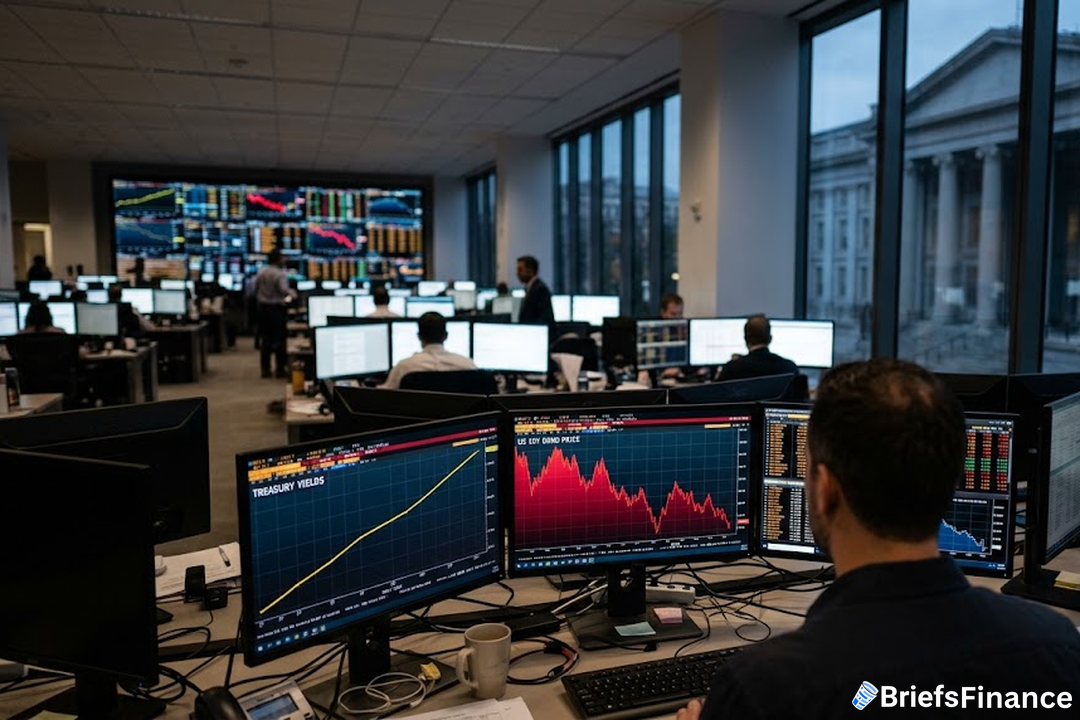
In 2026, the government ran into a problem: it couldn't find lenders. The result was a bond crisis that sent Treasury rates skyrocketing, and Washington's answer was to buy its own debt.
That money has to be taxed or borrowed too, and some of it comes from the Fed. Printing dilutes the value of the dollar and creates more inflation, and inflation is the reason the Fed is raising rates.
Higher rates then hurt the economy, the stock market and the same government that needed the money. Jaspreet says there is no solving this without some kind of economic pain.
He expects Washington to kick the can down the road until it reaches a breaking point. Nobody knows when.
Five Money Moves Before the Next Interest Rate Hike
As of today, all indicators point to higher interest rates in the coming months. Jaspreet admits that could change, and these are the five things he wants you to understand either way.
1. Don't Pay the "Stupid Tax"
Debt with a variable interest rate gets more expensive as rates rise, even if you never borrow another dollar. That includes credit card debt and the adjustable-rate mortgages many people took on in the last few years.
Work on paying off the credit cards now so a bigger bill doesn't blindside you. With an adjustable-rate mortgage, find a way to lock in the rate or, even better, pay it off.
2. Earn the Interest Instead of Paying It
When rates go up, you can be the lender. The simplest way is a high-yield savings account, which is paying close to 4% right now if you pick one that is reputable and FDIC insured.
A CD works too, but your money gets locked up, so you don't benefit if rates go higher. You can also lend to the government by buying Treasuries, or use an ETF such as SGOV, the example Jaspreet gives of a fund that holds short-term Treasuries.
SGOV pays interest monthly, at right around 3.5% when Jaspreet recorded this, and its price doesn't fluctuate beyond that interest. Treasury interest is also free of state and local taxes, a plus for higher earners in high-tax states.
None of this will make you rich, and it might not even beat inflation. It is a way to earn some interest on your emergency savings and on the money you set aside to invest when markets go down.
3. Know Which Stocks Feel the Pressure
Higher rates make borrowing more expensive, so the companies that need to borrow to survive can get hurt. Those are the speculative companies, the growth companies and especially the ones that are not profitable.
For the last 15 or so years, investment institutions could borrow for dirt cheap and were willing to make risky bets. If their money costs 8% instead of 3%, they want to see profits, and they hand out lower valuations.
That is downward pressure, not a promise that every one of those stocks goes down. Some will succeed and some will go bankrupt.
Higher rates also have a history of popping bubbles. They were the needle for dot-com stocks in 2000 and for housing in 2008.
Jaspreet counts 25 market crashes in the last 100 years and has no idea when the next one comes. The people who get richer from it will have two things in common.
They will have the money to buy when markets are low, and they will know what they want to buy.
4. Look at Value Stocks
Value stocks are the profit-heavy companies. In periods of higher rates, investors generally move toward them because big profits help a company get through expensive borrowing.
Many pay a dividend, since a company needs a profit before it can pay one. Jaspreet's example is a dividend ETF created by Schwab that holds profitable, high-dividend companies working to grow their dividends year after year.
He discloses that he personally invests in it. He also notes that value funds and stocks can still go down when the market does.
5. Hedge
Jaspreet starts with a move he admits is not really hedging: owning the broad economy. The U.S. has had a recession about 16 times in the last 100 years.
Even so, he says investors made money over any 15-year period in that stretch. They had to be long-term investors and keep buying through the downturns.
He does that with an S&P 500 ETF he is personally invested in, buying every week, every two weeks or every month no matter what. He calls it ABB: always be buying.
For diversification away from the U.S. economy, he gives two more options:
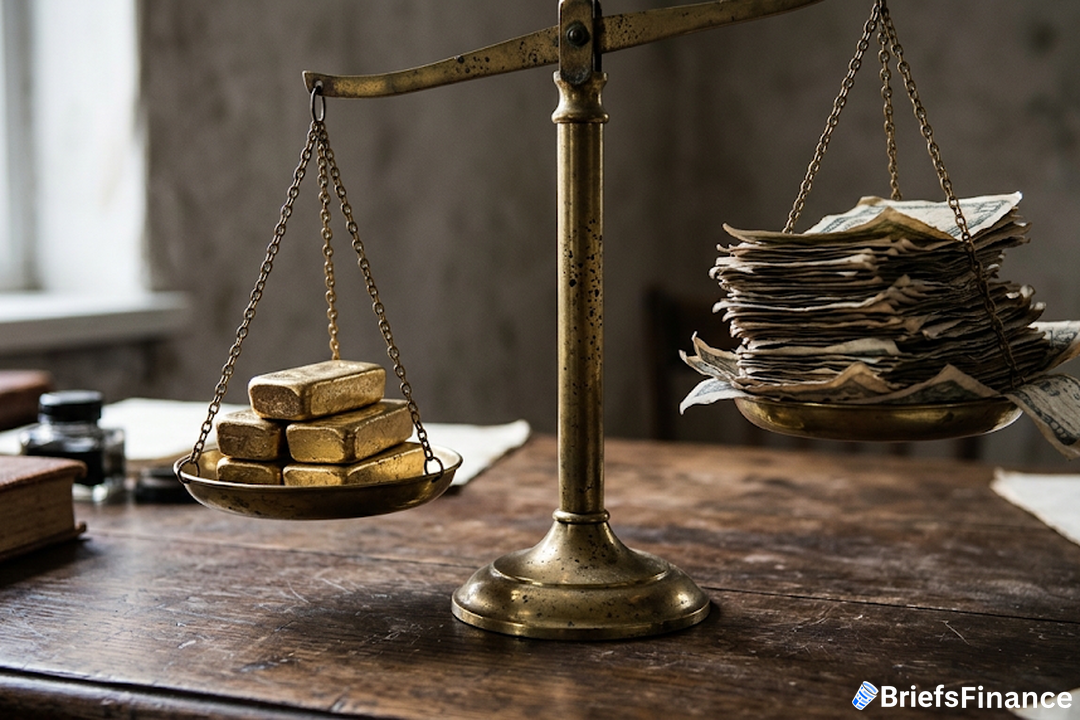
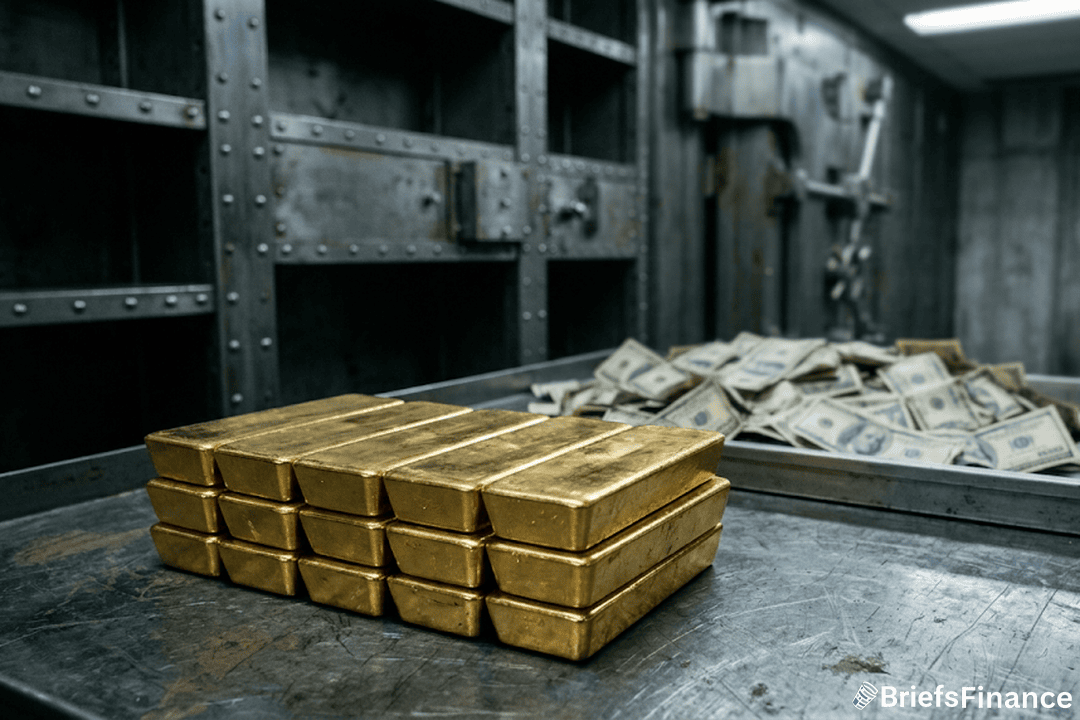
- Gold. You can buy physical gold, which Jaspreet personally prefers, or "paper gold" through an ETF like GLD. He treats gold as a hedge against inflation and warns against chasing it as a way to get rich quick.
- International stocks. A broad international ETF gives you exposure to companies and countries outside the United States. If you want more risk for higher potential growth, there are ETFs for emerging markets and for single countries like Brazil, Japan, Germany, India and China.
His goal is not to tell you what to invest in. He wants you thinking like an investor, so you can go ask your AI about the different ways to do this.
Most people don't know how to ask the right way, and his free November 17 livestream shows how he and his analysts use ChatGPT and Claude to research investments.
The Fed's next decision comes on December 9. Whatever it does, Jaspreet's warning is that knee-jerk reactions to the news are why so many people lose money.