The September read and what drove it
Peru's economic activity index grew 2.43% in September from a year earlier, a step down from August's revised 3.32% and weaker than every projection in a Bloomberg poll, where the median was 3.5%. Compared with August, output edged up 0.09%.
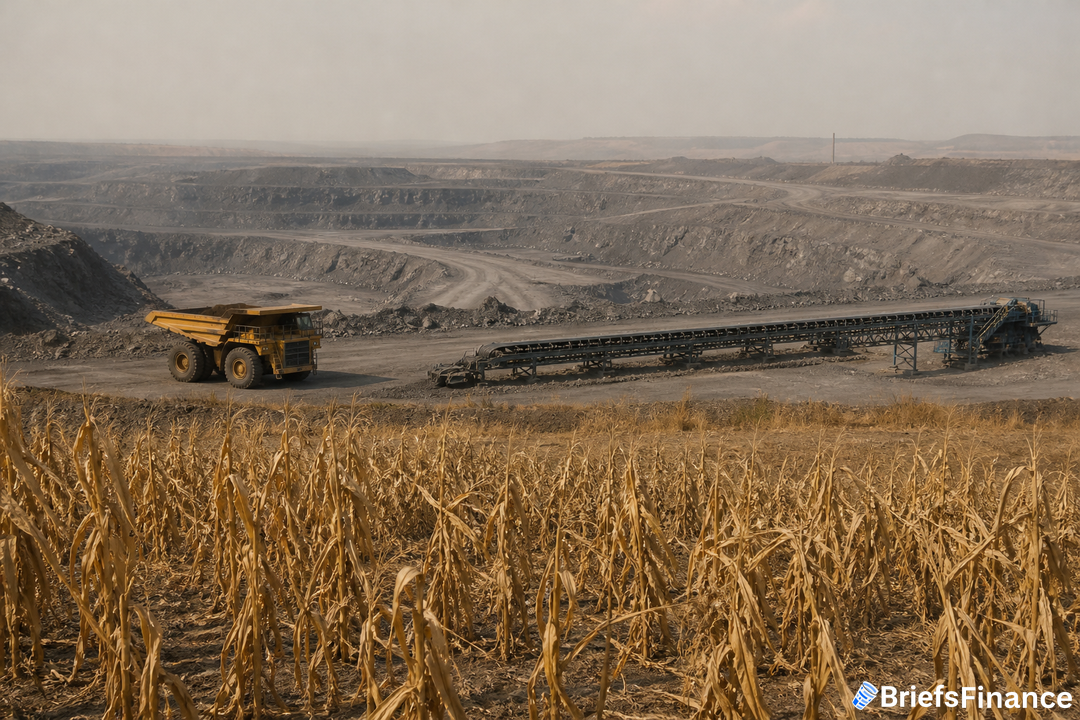
The mix was uneven. Retail sales rose 6.29% and construction expanded 8.84% from a year ago, while mining contracted 6.32% on softer metals production and agriculture declined 5.44%. Through the first nine months of 2026, activity is up 3.18%.
Growth outlook, inflation and policy settings
The softer print puts the country at risk of missing the central bank's 2026 growth call of 3.2%, even with support from solid private investment and elevated metals prices. Those positives are expected to soften the blow from a likely strong El Niño pattern that is already weighing on agriculture, fishing and related industries.
After inflation remained above the top of the 3% target ceiling for eight consecutive months, with pricier food compounding the global energy shock, policymakers raised the benchmark rate by 0.25 percentage point to 4.50% earlier this week. The board said the step does not necessarily signal a tightening cycle and that it will adjust settings as needed to guide inflation back inside the target band.
Savvy investors look for new tools that clarify shifting economic signals. We're hosting our first ever investor livestream on 11/17 to show you how to use ChatGPT and Claude to invest like a pro, hosted by Briefs Finance CEO Jaspreet Singh. Save your seat.
Bonds, budgets and jobs - the near-term backdrop
On Nov. 9, Peru tapped international markets again after a gap of more than a year, issuing $4.5 billion of new bonds in two tranches and launching an exchange offer that lets holders of 2027, 2030 and 2031 notes swap into new 2038 bonds. In late October, President Keiko Fujimori's administration outlined plans for up to 18 billion soles, or $5.3 billion, in additional 2027 spending, revising fiscal rules so next year's deficit can increase to 2.4% of GDP from 1.4%, thereby providing capacity to protect the economy against severe weather and elevated global fuel costs. October unemployment held at 4.4%.
The bottom line: retail and construction are carrying more of the load as mining and agriculture slip, policy has tilted a notch tighter but remains flexible, and funding plans are in place. For your portfolio, that points to a Peru story still leveraged to metals and weather, with fiscal space and a cautious central bank helping manage the bumps.
Exploring smarter ways to interpret market trends can help investors gain an edge. On 11/17, our CEO Jaspreet Singh goes live for our first ever investor livestream on how to use ChatGPT and Claude to invest like a pro. Register to join him.