Why people turned out
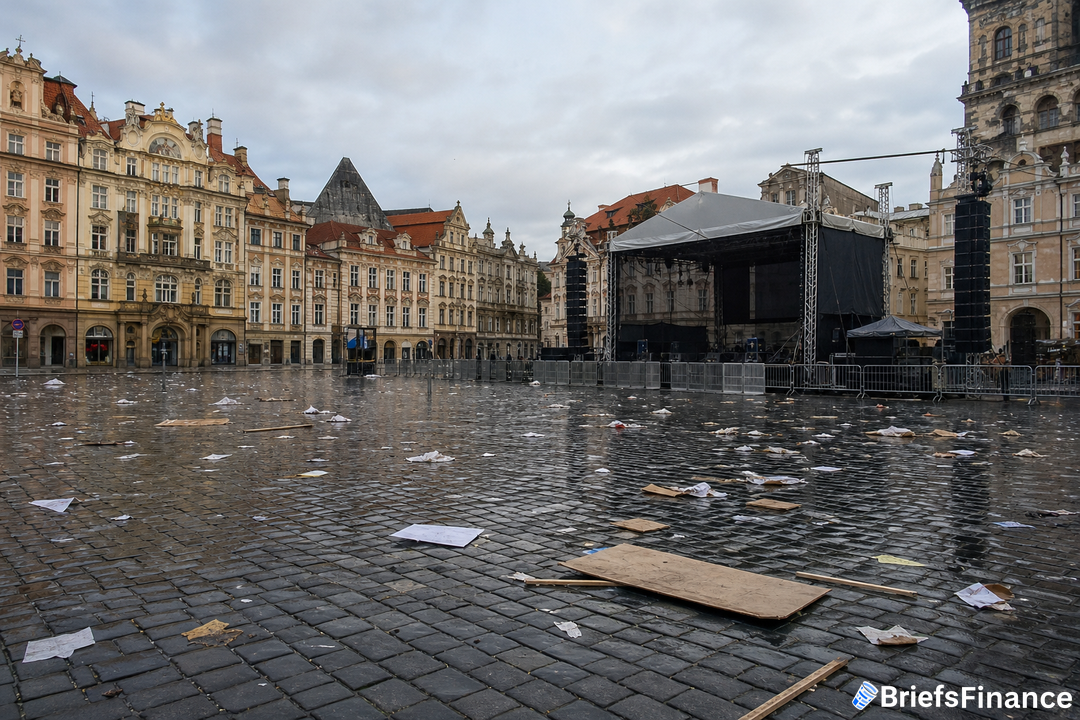
Crowds filled Letna plain to push back against a proposal to scrap the broadcast license fee and cover public TV and radio directly through the state budget. Protesters argue that tying funding to the government could hand leaders more sway over the outlets and put editorial independence at risk.
Political targets at the rally
Beyond the funding fight, demonstrators called on Babis to dismiss Parliament Speaker Tomio Okamura and strip Okamura's far-right party of control over the defense ministry. Attendance surpassed all previous protests aimed at the financing overhaul.
Government response and timing
Babis rejected claims the package is meant to weaken public media, saying European countries also use state funding to support broadcasters. His government added that ending the fees fulfills an election commitment and would make the broadcasters operate more efficiently. Lawmakers still have to vote on the bill.
Market shifts often follow societal change, so investors value fresh tools for perspective. We're hosting our first ever investor livestream on 11/17 to show you how to use ChatGPT and Claude to invest like a pro, hosted by Briefs Finance CEO Jaspreet Singh. Save your seat.
Why it matters for investors
Public media funding looks technical, but it touches the rule of law and institutional independence, both watched by markets when they price country risk. The bottom line: policy shifts that concentrate control can add a small uncertainty premium to a region's media and advertising ecosystem, while a parliamentary rethink could defuse it. Keep an eye on the vote and whether protests grow or fade.
Being open to new analysis methods can quietly improve long term investment decisions. On 11/17, our CEO Jaspreet Singh goes live for our first ever investor livestream on how to use ChatGPT and Claude to invest like a pro. Register to join him.