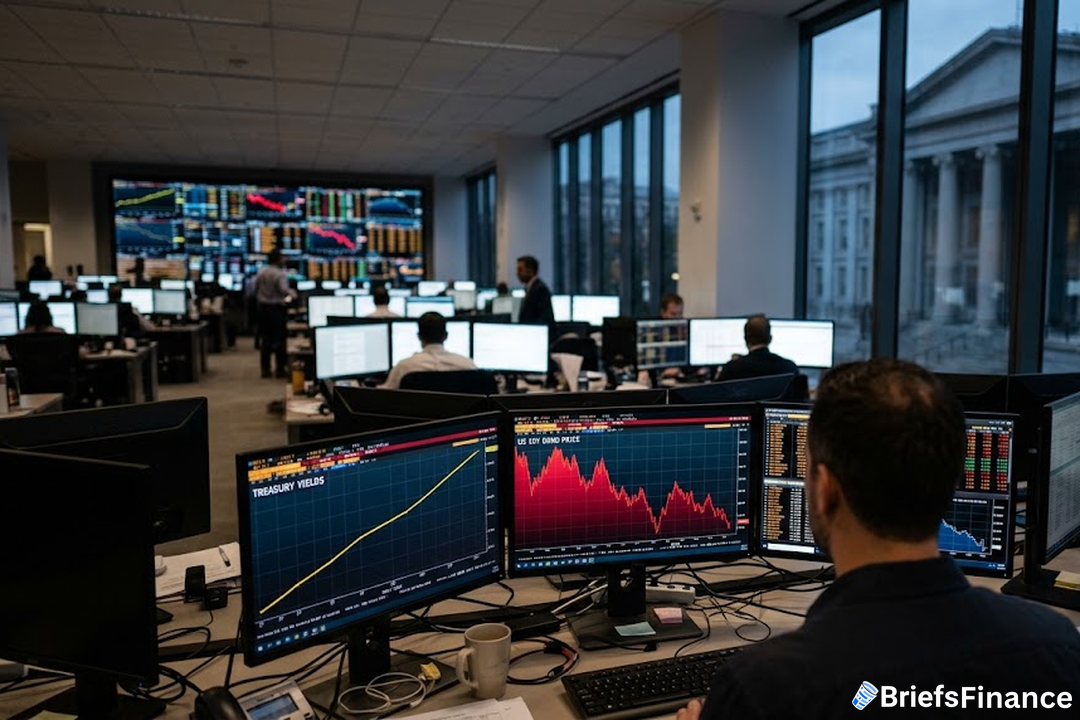
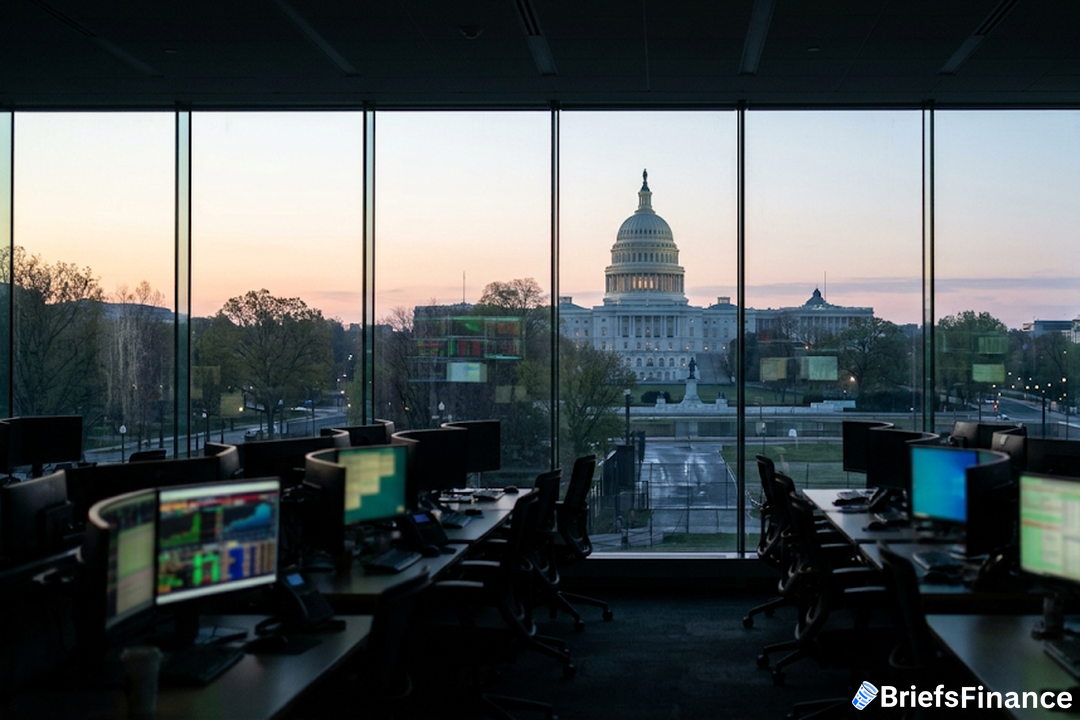
This might be the weirdest stock market in history, and it comes down to five things happening at once:
- The stock market is booming at the fastest rate in years.
- A new report says the job market is the strongest in 57 years.
- Almost the entire economy is being propped up by AI.
- Investors are worried about the whole AI industry because of a scandal at Nvidia involving a potential Chinese spy.
- The market flipped when Democrats took over Congress, crashing in the worst day of 2026 and then rallying faster than it has in years.
A lot of investors are scratching their heads. Is the AI bubble about to burst, does the market keep climbing, or should you be setting money aside for a downturn?
Briefs Finance CEO Jaspreet Singh wants to bring it down to reality, because right now the loudest voices are talking with either greed or fear. The useful question is where money is moving, especially because of AI.
It's also a good moment to use AI as an investor, because tools like ChatGPT and Claude are like having a Wall Street analyst at your fingertips. Bad prompts give bad answers that turn into bad investments, so Jaspreet is showing how he and his analysts actually use them in a free livestream on November 17.
A Record Job Market That Nobody Can Feel
The latest jobs report said the job market grew nearly three times faster than the government expected. Jobless claims, the number of people filing for unemployment, fell to a 57-year low.
Ask around and you hear the opposite. Investors say the job market stinks, nobody is hiring, it feels like a hiring freeze, and companies are doing layoffs at the same time.
The way to untangle that is to look at what the economy and the stock market are doing, starting with the Fed.
The Fed Picked the Dollar Over the Economy
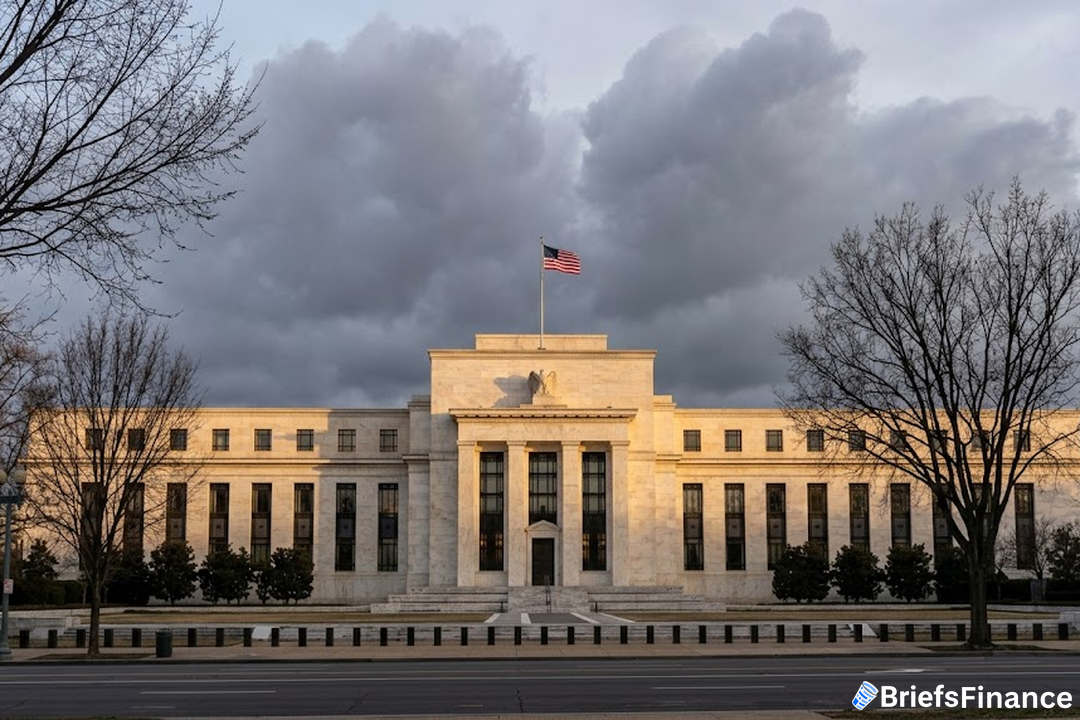
The Federal Reserve is the central bank of the United States. Its job is to monitor the economy, stimulate when there's pain, and cool things down when the economy overheats.
In 2026 the Fed committed to saving the dollar, not the economy. Inflation ran high after the pandemic, picked back up in 2026, and has been running hotter than wage growth, so the average investor is getting poorer even with a raise.
So the Fed committed to price stability, which means protecting the dollar. It has two tools, raising interest rates and pulling money out of the economy, and both fight inflation while hurting growth.
Higher interest rates make it more expensive to buy a house, so fewer people buy, and realtors, title companies, and mortgage bankers all make less. If mortgage rates fell to 4% tomorrow everybody would be buying, and all of those businesses would be flush.
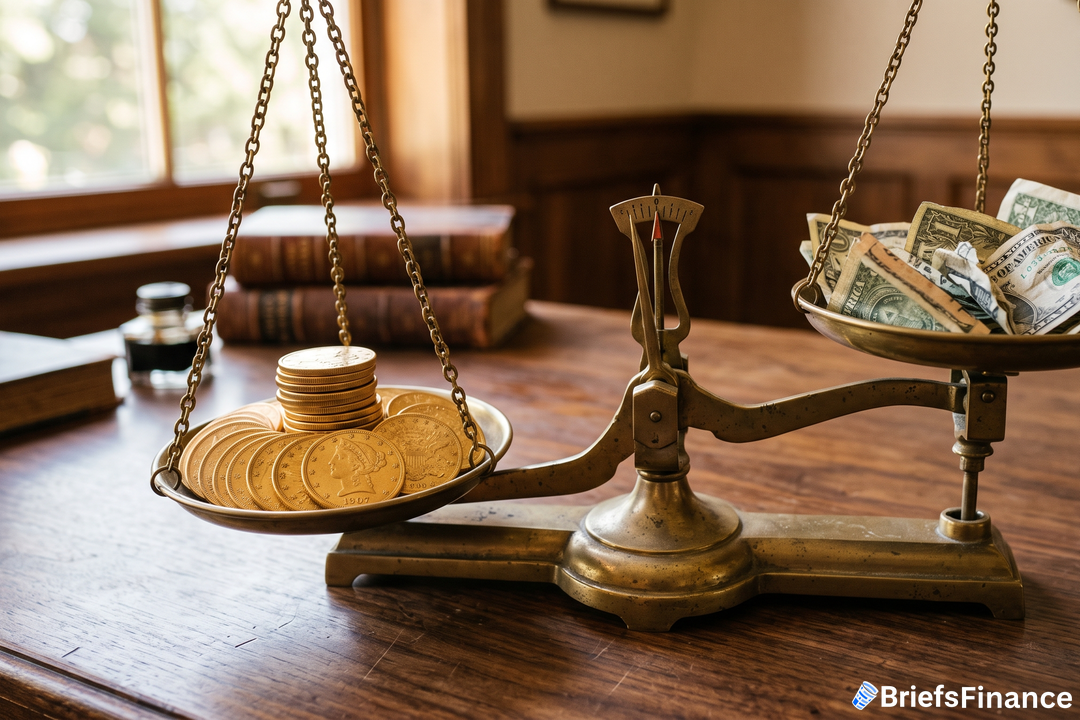
Think of it as a teeter-totter. The Fed can prop up the dollar or the economy, and it picks whichever needs more attention, which right now is the dollar.
That's why a strong jobs report is awkward: it's good news for the economy, but investors hoping for stimulus need the Fed to see pain. The data isn't showing any, even though plenty of investors are struggling to keep up with prices or land a new job.
Oil, Iran, and the Inflation the Fed Can't Fix
Part of the recent excitement comes from the Middle East. President Trump says a deal with Iran could be close, which has oil prices falling and investors betting that cheaper oil cools inflation and the economy booms.
It isn't the first time. Several times in 2026 the White House said a deal was close, oil fell, the talks fell through, and oil jumped right back while the stock market took the hit.
Even now the signals conflict. President Trump says attacks are unlikely because a deal is near, while the Secretary of State says talks with Iran are "not productive" and Iran's demands are "unacceptable."
Oil matters because Iran is a big producer and controls the Strait of Hormuz. When shipping through it gets blocked, oil supply drops and prices climb.
Higher oil means higher gas, higher diesel, higher fertilizer costs, higher grocery bills, and pricier flights, which feeds inflation across the economy. And raising interest rates doesn't bring oil prices down.
The Fed can cool spending. It can't end a war, and that's what oil prices are tied to.
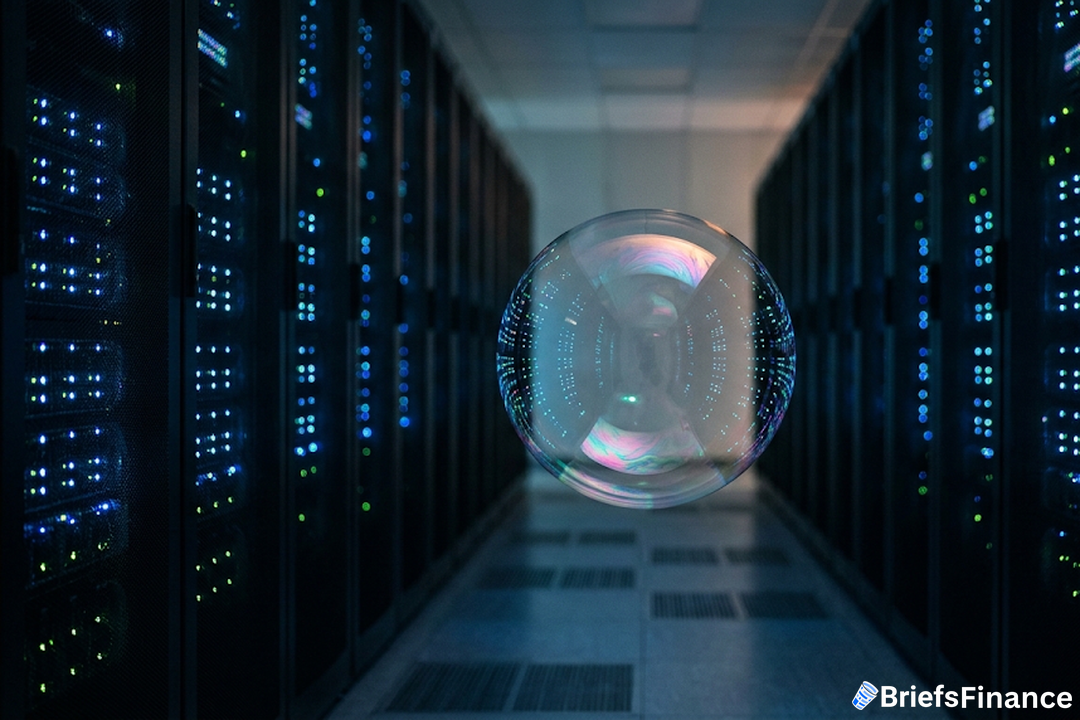
The Stock Market Bubble Has a Plumbing Problem Called Circular Financing
Without AI, the US would be in a recession right now. That's how much money has flowed into the industry.
Investors have reasons to worry: the Chinese AI bubble burst with AI stocks there down 40%, South Korea's AI bubble burst too, and some see that as a preview. President Trump, on the other hand, says the US will spend whatever it takes to lead in AI.
Michael Burry, the investor behind The Big Short, has focused on something called circular financing. Nvidia invests in OpenAI, the company behind ChatGPT, and OpenAI uses that money to buy AI chips from Nvidia.
And there's more of it: Anthropic, the company behind Claude, is getting ready to go public at something like a $2 trillion valuation. It just committed $45 billion to SpaceX, which will use that money to buy more Nvidia chips.
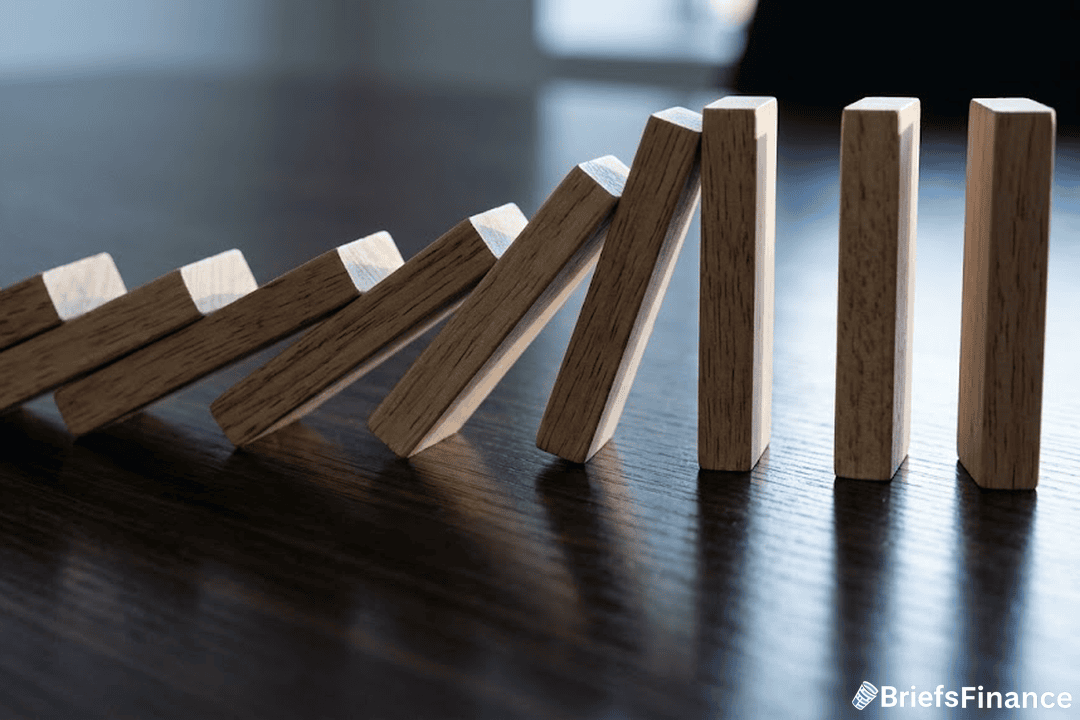
A few top AI companies are moving so much money from one hand to the other that if one domino falls, everything attached to it gets hit.
Then there's the scandal. Nvidia is the biggest company in the world, its CEO got caught having an affair, and the person involved may be a Chinese spy.
Nobody knows what that means for Nvidia yet. What's clear is that instability at the largest AI company in the United States reaches every other major AI company, because they're all tied together.
Your 401(k) Is More Exposed to the Stock Market Bubble Than You Think
The S&P 500 holds the 500 largest companies in the stock market, and it keeps hitting record highs. Underneath, about four out of five of those stocks are down 10% or more, which is correction territory.
If your 401(k) or IRA sits in an S&P 500 fund or a target date fund, you're heavily exposed to AI whether you know it or not. That isn't a bad thing, since these are great long-term investments.
The problem is what investors do in downturns. Downturns are great buying opportunities, but most investors see the drop, panic, and sell, which locks in losses and hands the discount to somebody else.
Margin adds fuel, because a lot of investors are buying stocks with borrowed money, and if prices fall far enough the brokerage issues a margin call. That forces them to sell so the broker doesn't lose its money, and the forced selling pushes prices down even more.
That's what just played out in China. Put it together and the worry has three parts:
- AI sits inside almost everyone's retirement account, often without them knowing.
- Most investors panic and sell when they should be buying.
- Margin calls and circular financing turn one bad event into a chain reaction.
Why This Stock Market Bubble Rhymes With 2008's House of Cards
The 2008 crash started with a lending boom, after President Bush said every American should own a home. Banks loosened standards with NINJA loans (no income, no job, no assets), subprime mortgages, and loans with 0% down, and the housing market took off.
Then Wall Street made it all interconnected. Banks chopped mortgages into derivatives, sold them to each other, bought insurance on the same investments, and traded that insurance too, until money was circling through the same bets.
Lehman Brothers broke, and the whole house of cards came down. The recession followed.
Today the AI companies are the ones tied together, and the average investor is tied to them through retirement accounts. Bubbles burst, market crashes are part of the economy, and higher interest rates are usually the needle.
Nobody knows if the downturn comes in 2026 or 2036. The companies that are "too big to fail" today are a lot bigger than the ones that earned that label in 2008.
One more thing to remember: a market can stay irrational longer than you can stay liquid. Sitting out because nothing makes sense can mean missing every gain on the way up.
Three Pillars for Investing Through a Stock Market Bubble
Pillar one is ABB, always be buying. Buy the broad market, something like the S&P 500, when markets are up, down, or sideways, and when a Democrat or a Republican is in the White House.
The difference between ABB today and 50 years ago is the cost of living. It's a proven way to build wealth, and Jaspreet does it himself, but for a lot of investors it won't be enough on its own.
Pillar two is what Jaspreet calls POOP: panic leads to overselling, which leads to opportunity, which leads to profit.
| Panic | What happened next |
|---|---|
| February 2025 tariffs | Markets crashed, then hit new record highs days later |
| March 2025 bigger tariffs | Markets crashed again, new record highs days later |
| April 2025 Liberation Day tariffs | Global selloff, new record highs days later |
| 2022 | Stocks fell 20%, new record highs in 2023 |
| 2020 | Stocks fell 34%, new record highs months later |
| 2008 | Stocks cut in half, new record highs some years later |
| 2000 dot-com bust | Nasdaq fell 78%, new record highs years later |
Every one of those was a buying opportunity for investors who had money set aside in good times. The catch is nobody knows when the next one hits, so sitting on the sidelines forever doesn't work either.
Pillar three is market shifts: understanding where money is moving and investing there. It's riskier, with more potential return, and it's not the same as chasing whatever is hot on CNBC or Reddit.
It's research, which is the part Jaspreet's November 17 livestream is built around: how to use ChatGPT and Claude to find where money is moving before it hits the headlines. His analysts' ten go-to prompts are a bonus for live attendees.
The economy is changing fast, and most investors will panic through it. The ones who cut through the emotion are the ones who find the opportunity.