What the government announced
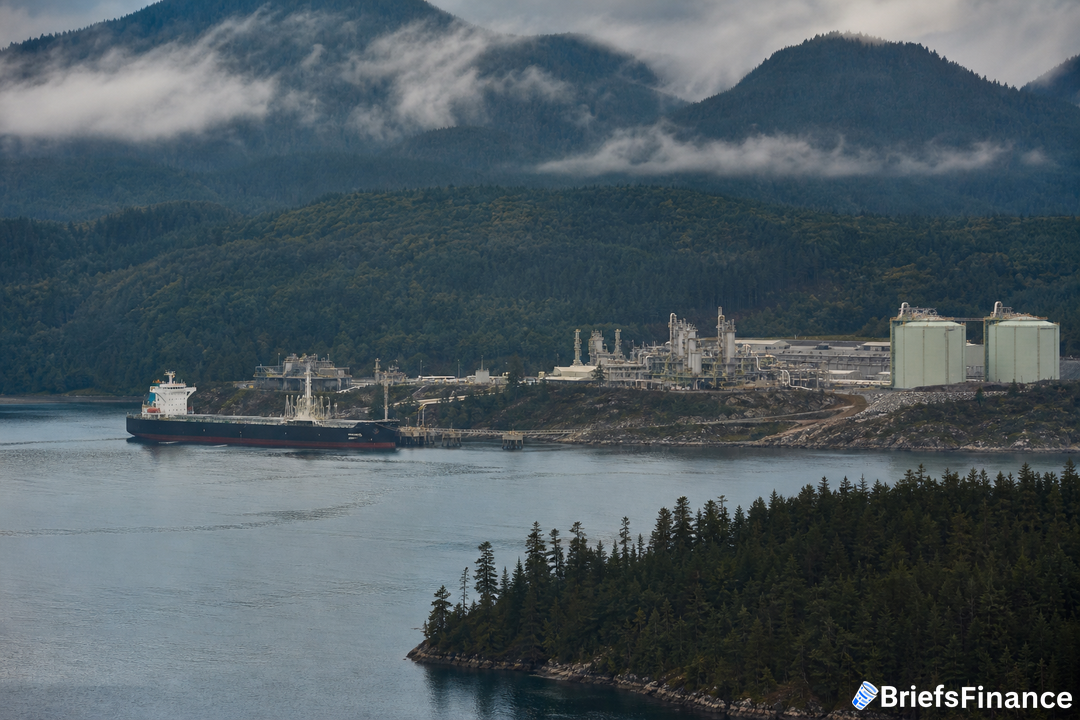
Canada injected C$200 million into the Woodfibre LNG project north of Vancouver. Speaking in Vancouver on Friday, Energy Minister Tim Hodgson said the money would be provided and explained it will take the form of a conditional grant, paid out only if the company hits defined investment milestones in Canada.
Hodgson cast the move as a push for lower carbon LNG, saying, "Canada has made a decision that we'll have the lowest carbon intensity LNG in the world," and, "This plant will be the first net-zero plant in the world." He added, "We are asking investors to lead the world, and that costs money," and, "And we want to incent Canadian producers to do the right thing, and this project in particular is a first in so many ways."
Officials pointed to Woodfibre's use of hydro power and noted that the Squamish Nation took the lead on the project's environmental assessment process. The facility's net zero pledge covers scope 1 emissions from its operations and scope 2 emissions from purchased electricity.
Who owns and backs the project
The plant's planned output is 2.1 million metric tons of LNG each year. Backers are evaluating an expansion module that would bring the total to 2.5 million tons or more. It is about 75% built and is scheduled to begin operating next year.
Pacific Energy Corp. owns 70% of Woodfibre. It is part of Singapore-based RGE Pte Ltd., a private conglomerate involved in forestry and palm oil plantations that reports more than $40 billion in assets and 80,000 employees. RGE's founder and chairman, Sukanto Tanoto, is listed at $21.5 billion by the Bloomberg Billionaires Index. Enbridge Inc., the Calgary oil and gas pipeline company, owns the remainder.
Smart investors blend new tools with judgment to stay prepared for changes. We're hosting our first ever investor livestream on 11/17 to show you how to use ChatGPT and Claude to invest like a pro, hosted by Briefs Finance CEO Jaspreet Singh. Save your seat.
Reaction and the bigger LNG buildout
The federal investment drew criticism for putting public funds into a private venture. Posting on X, Heather Exner-Pirot - the Macdonald-Laurier Institute's lead for energy, natural resources and environment - wrote, "This is not government's lane," and, "It crowds out private sector investment and distorts the free market."
Woodfibre was one of the first BC projects aimed at moving western Canada's gas to Asian buyers, even as its schedule has slipped over time. The buildout is accelerating: in September, the companies backing LNG Canada opted to double the project to 28 million metric tons through a $23 billion expansion. And last month, British Columbia elected a Conservative provincial government that promised to double the province's natural gas production by 2032. At the same time, Prime Minister Mark Carney is pressing to broaden exports beyond the US.
Why it matters for your portfolio
A hydro powered LNG plant with a scope 1 and scope 2 net zero commitment could find ready buyers among importers seeking lower carbon supply, while a conditional federal grant can reduce project risk. The counterweight is policy exposure and rising competition as LNG Canada scales up and BC targets more gas output. The bottom line: more Canadian volumes aimed at Asia, more capital going into long life assets, and clearer potential cash flows for the owners if timelines hold.
Learning how technology can sharpen insight helps investors seize thoughtful opportunities. On 11/17, our CEO Jaspreet Singh goes live for our first ever investor livestream on how to use ChatGPT and Claude to invest like a pro. Register to join him.