The mission in plain terms
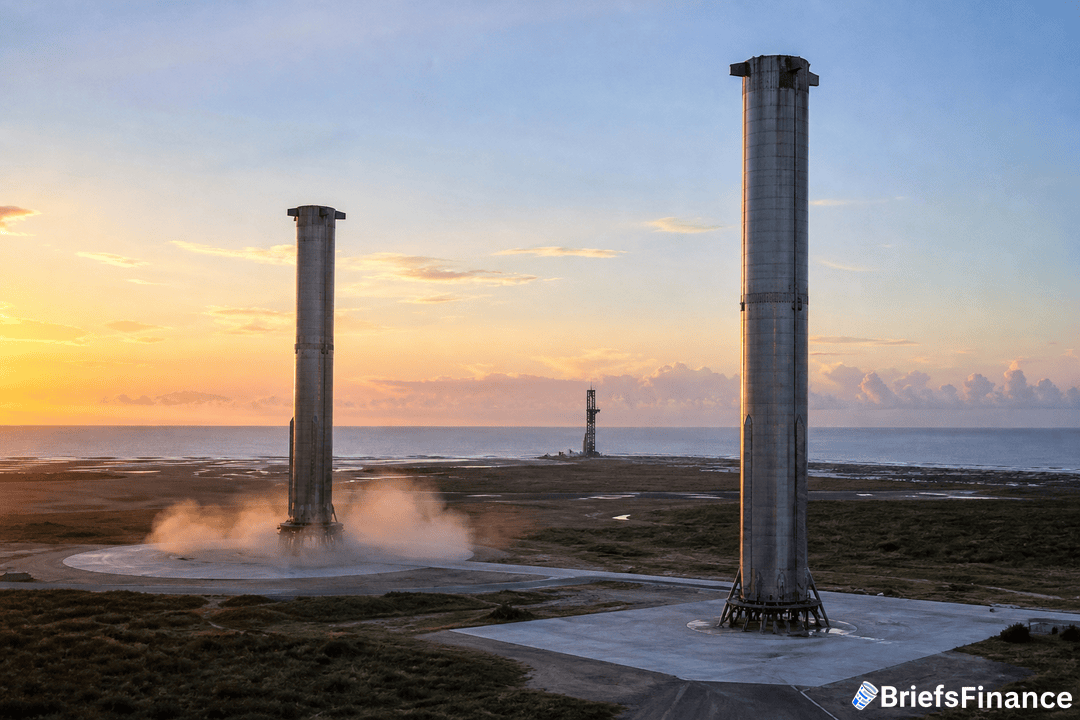
Starship is slated to head to orbit riding atop the Super Heavy booster, then SpaceX will try to bring both pieces back to the launch site. A few minutes after liftoff, the plan is to return the booster and snag it with the launch tower's arms, a maneuver SpaceX has shown before.
About a day later, the Starship upper stage will leave orbit, descend and attempt the same kind of tower-arm landing at Starbase. SpaceX has not yet pulled off returning both sections to land on a single mission.
This flight launches from the company's South Texas site and is the program's 15th test. According to SpaceX, Starship stands as the highest and most potent rocket constructed to date.
Why this test matters
SpaceX frames this as a crucial step toward full reusability, a core piece of Musk's broader goals in AI and space. Musk has said Starship is intended to become the planet's first rocket that can be reused in its entirety, and no orbital rocket has ever been recovered entirely on land, not even the partly reusable Falcon 9 or NASA's Space Shuttle.
What Starship enables and what is on board
Reflying the same hardware after refueling would cut manufacturing costs and lift flight cadence, pushing operations toward a more airline-like rhythm. Musk has made Starship the centerpiece of SpaceX's future as the company expands beyond rocket launches into satellite communications, artificial intelligence and, if he succeeds, Tesla Inc.'s electric vehicles and robotics.
Musk also intends to use Starship to carry astronauts to the moon and, eventually, support a human foothold on Mars.
Innovations in technology often reshape investing opportunities for thoughtful, prepared investors. We're hosting our first ever investor livestream on 11/17 to show you how to use ChatGPT and Claude to invest like a pro, hosted by Briefs Finance CEO Jaspreet Singh. Save your seat.
This mission is also a deployment run: Starship will carry 26 upgraded Starlink satellites that, according to SpaceX, provide bandwidth at tenfold the level of the satellites currently launched by Falcon 9. It is the second batch of these upgraded satellites, following 26 launched during a Starship test flight in September.
The hurdles and the investor angle
To fly often, SpaceX needs to shorten turnaround times between missions. One of the biggest obstacles is developing a heat shield that can be reused after the extreme heating of reentry without extensive repairs.
The bottom line: if the double catch works, it strengthens the case for lower costs and more frequent launches, which underpins the scale of SpaceX's planned satellite networks and Musk's wider roadmap.
Learning how to use new tools can help investors find a lasting edge. On 11/17, our CEO Jaspreet Singh goes live for our first ever investor livestream on how to use ChatGPT and Claude to invest like a pro. Register to join him.