The numbers and who reported them
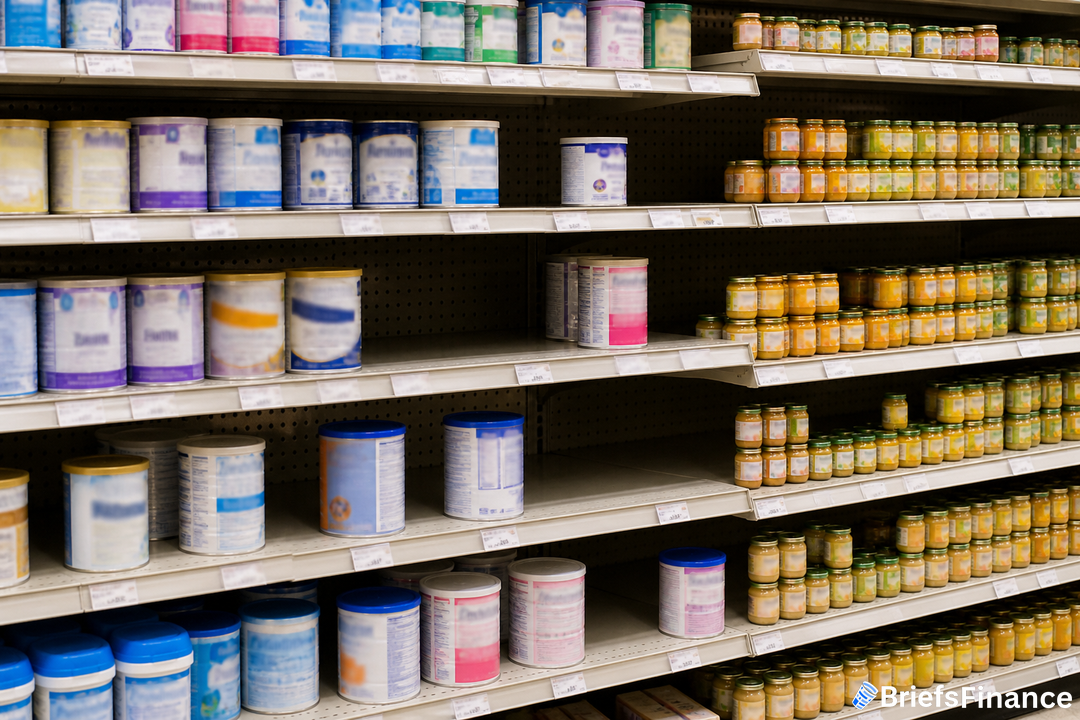
Prices for baby food and infant formula jumped 5.1% in October, according to the Bureau of Labor Statistics, marking the sharpest monthly gain since the series began. The BLS did not provide further detail on what drove the move.
Costs for several other household staples also climbed in October, including broader grocery categories, car insurance, daycare, rent and electricity. That adds to the squeeze on families with young children who are facing higher bills across the board.
Why prices may be climbing
Darren Seifer, a NielsenIQ executive who serves as vice president of thought leadership covering home, family and baby, said formula prices are likely being pushed up by a mix of more expensive ingredients, transport cost inflation and a smaller group of newborns. The BLS declined to elaborate on underlying drivers in its figures.
Seifer also noted how demand holds up even as prices rise. "Baby formula is one of those categories where families aren't going to pull back on just because prices went up," he said. "They're going to make decisions around which brands to buy. Can they maybe buy a smaller size and still get by?"
Smart investors look for reliable tools to navigate changing costs and choices. We're hosting our first ever investor livestream on 11/17 to show you how to use ChatGPT and Claude to invest like a pro, hosted by Briefs Finance CEO Jaspreet Singh. Save your seat.
Industry moves and safety worries
Formula makers have been looking to lighten their exposure to the category as they contend with contamination concerns and higher costs. In October, Abbott Laboratories, the company behind Similac, announced a plan to separate its nutrition unit into a standalone entity. In 2022, poor sanitation at an Abbott facility located in Michigan triggered formula scarcities across the country.
Perrigo Co. intends to divest its infant formula division by selling it to an entity established by executives of ByHeart, an infant formula producer whose product led to botulism illnesses in babies last year. Meanwhile, baby food has faced scrutiny for high levels of heavy metals, though Consumer Reports reported that newer tests indicate companies have achieved progress in cutting those levels.
What it means for your portfolio
In plain English: necessities for families with infants just got more expensive, and demand is relatively sticky. That combination can buoy revenue for brands that keep shelves stocked, while keeping pressure on margins if ingredient and transport costs stay elevated. Watch how players navigating spinoffs or sales execute - operational hiccups showed up fast in 2022.
A thoughtful approach and better information can help you protect and grow wealth. On 11/17, our CEO Jaspreet Singh goes live for our first ever investor livestream on how to use ChatGPT and Claude to invest like a pro. Register to join him.