What the talks are about
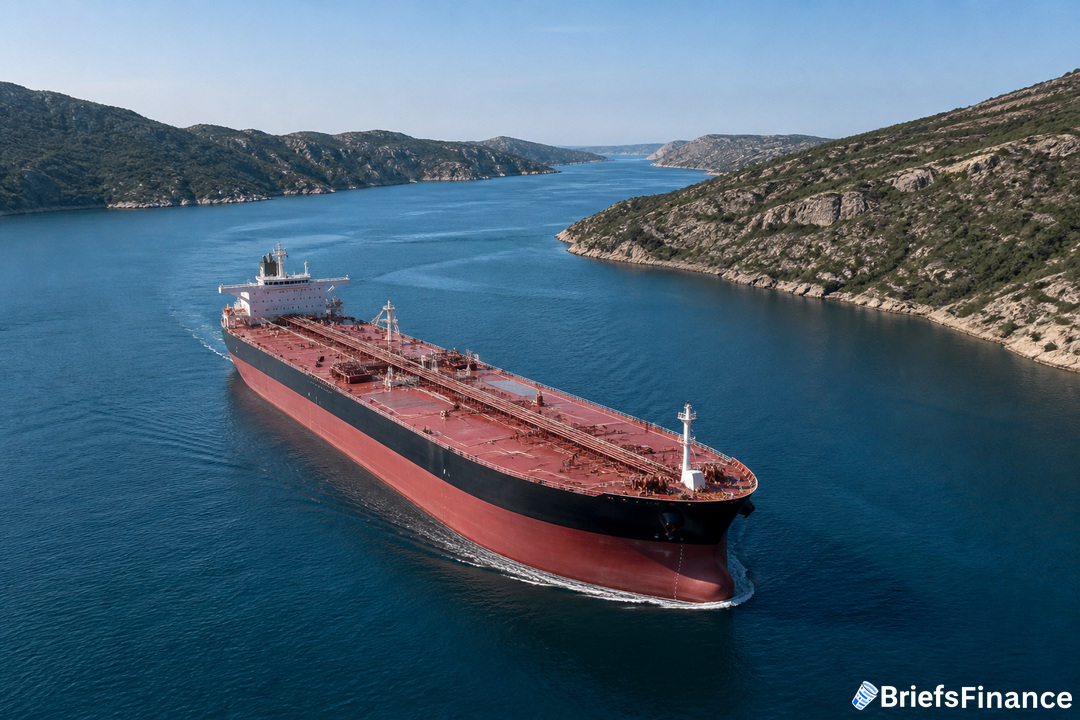
Emmanuel Macron is pushing a plan with Gulf partners to make it cheaper to insure ships that transit the Strait of Hormuz. People familiar with the effort say France is sketching a publicly backed structure that would take on a slice of the insurance burden for vessels, aiming to ease the cost of moving energy cargoes. Two of those people said the work spans several French ministries, including energy, foreign affairs, and finance.
An official from the Élysée said the effort is still in progress.
Why the insurance is so high
After the US and Israel launched strikes on Iran in February, sailings through the strait were thrown off schedule, and repeated Iranian attacks on ships have kept insurance expensive. Earlier this year, US President Donald Trump announced a reinsurance scheme worth $20 billion for oil tankers, but premiums are still elevated. Pump prices surged worldwide after the strikes disrupted exports of crude and refined products through Hormuz, while attacks near the strait curbed shipments and pushed up insurance costs in Europe. ICE data show the Dutch front month gas benchmark has tripled during the Middle East crisis.
Macron's recent diplomacy and the practical hurdles
Last month, Macron visited Bahrain, the United Arab Emirates, and Saudi Arabia to secure commitments to supply more diesel in the coming months, as part of an effort to lower fuel costs that are feeding social unrest in France. He also arranged winter deliveries of liquefied natural gas from Qatar, equal to roughly 7% of the country's average monthly gas use.
The delivery path is the sticking point. Getting those supplies to French consumers is harder than signing contracts, because the Strait of Hormuz remains heavily disrupted by the US Iran war and gas volumes are well below normal. It is also not yet clear how a government backed insurance scheme would function in practice or what guarantees could be offered. Trump has also asserted that the war in the Middle East caused Republicans to lose the midterm elections, and he argues it has driven up the cost of insuring voyages through the strait.
Geopolitical risk is one of many factors that shape investment outcomes. We're hosting our first ever investor livestream on 11/17 to show you how to use ChatGPT and Claude to invest like a pro, hosted by Briefs Finance CEO Jaspreet Singh. Save your seat.
What this means for your portfolio
If a Gulf supported backstop trims insurance costs, flows through Hormuz could smooth out and take some pressure off crude and LNG, a modest positive for European refiners and gas intensive industries. Until then, elevated risk premia keep freight and cover costly, which helps explain why Europe's energy prices have been volatile and why fuel sensitive sectors remain jumpy.
Using smarter tools can help investors spot opportunities and manage uncertainty. On 11/17, our CEO Jaspreet Singh goes live for our first ever investor livestream on how to use ChatGPT and Claude to invest like a pro. Register to join him.