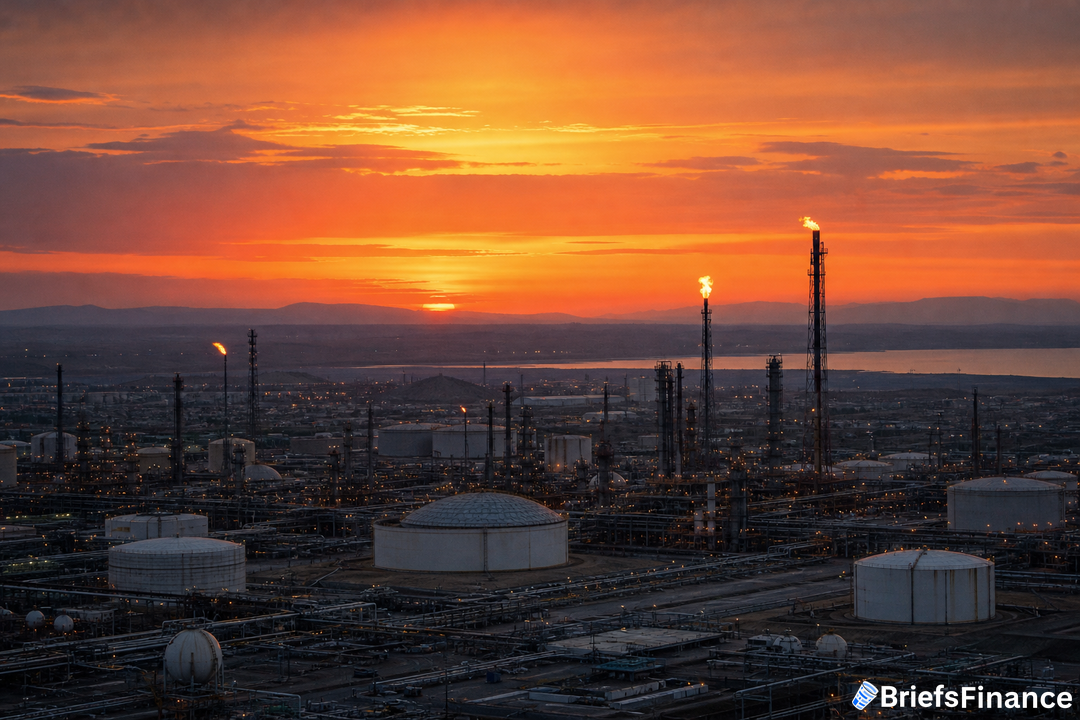
The announcement and the setting
Acting President Delcy Rodríguez laid out the figure on Saturday at the close of an energy conference in Maracaibo, the capital of oil-rich Zulia state. The event brought together more than 150 companies from Venezuela and abroad to talk investment and how to revive output.
She said the package of projects aims to pair overseas funding with Venezuelan money and workers, sketching a five-year path if those plans move forward.
Deals in hand, deals in play, and what they promise
Rodríguez said the government has inked 61 deals under its overhauled hydrocarbons framework and is in talks on another 44. She added that the investment slate is expected to support more than 324,000 jobs when counting direct roles, supplier activity, and knock-on employment.
She also said boosting production in Zulia could eventually enable the state to produce liquefied petroleum gas, first to meet local needs and then for export. The push comes as Caracas tries to rebuild an industry still far below its past output highs even though it holds the world's largest crude reserves.
When long-term projects shape local economies, sign up for the free Market Briefs newsletter for a five-minute daily summary you can trust
Outside partners and the long road back
The investment drive is increasingly tied to a U.S.-supported effort to revive Venezuela's oil sector. In August, Washington finalized an agreement with North American Blue Energy Partners spanning 17 fields, envisioning as much as $100 billion to be invested. The company says it is targeting output of 500,000 barrels per day by the end of 2028, up from roughly 200,000 now.
Chevron Corp., which expanded what it can develop in the Orinoco Belt and renegotiated the terms for its ventures in the country, said in September that the revamped deals create room for new investment, though achieving results will still require many years. The company added that durable growth depends on continued policy changes and joint efforts between industry and the state to upgrade infrastructure.
What could slow it down - and why that matters for portfolios
Turning these commitments into barrels will demand years of drilling and upgrades to worn oil fields, power networks, and other kit. Investors also want comfort after past nationalizations and ongoing political and legal uncertainty, while practical constraints remain, from shaky electricity and aging equipment to thin oil-field service capacity and a shortage of seasoned workers.
The bottom line: the scale is big, the timeline is long. For energy exposure in your portfolio, watch whether capital, infrastructure fixes, and policy follow-through arrive on schedule, because the targets only matter if production actually climbs.
As energy and investment stories evolve, get clear concise context each morning with our free Market Briefs