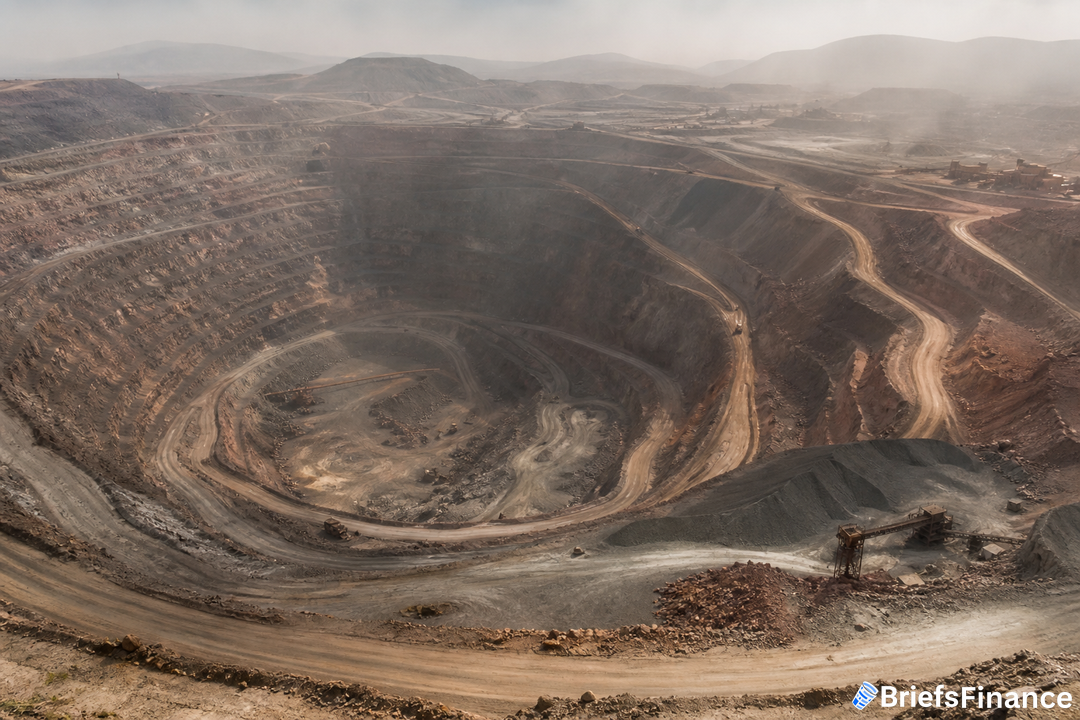
What happened in August
Chile, the world's top copper supplier, saw production slide to 369,500 metric tons in August, down 13% from a year earlier, according to figures published Wednesday by the national statistics agency INE. It marked the softest monthly reading since February 2011 and came in under the output recorded during the 2017 strike at BHP Group's Escondida complex.
Why production fell
Severe winter weather and port disruptions hit operations in August, on top of storms in July that had already affected several mines in the north. Those acute problems added to longer running headaches like declining ore grades, with mishaps and other disruptions also affecting several of the country's biggest sites. The squeeze helps explain a tighter global copper market and record prices.
When unexpected disruptions happen, steady investing matters more than timing, so download the free Always Be Buying E-Book
The industry and your portfolio
Despite elevated copper prices and billions poured into projects, miners in Chile have struggled for years to get production back to prior peaks. Authorities have repeatedly lowered expectations for 2026 output, and the government has signaled production could fall by about 7% this year. If fewer tons are coming out of Chile, that can ripple through to pricing, margins and project timelines for companies that produce or consume copper.
Even amid industry setbacks, a simple plan keeps progress steady, claim your free Always Be Buying E-Book today