What Iran says happened
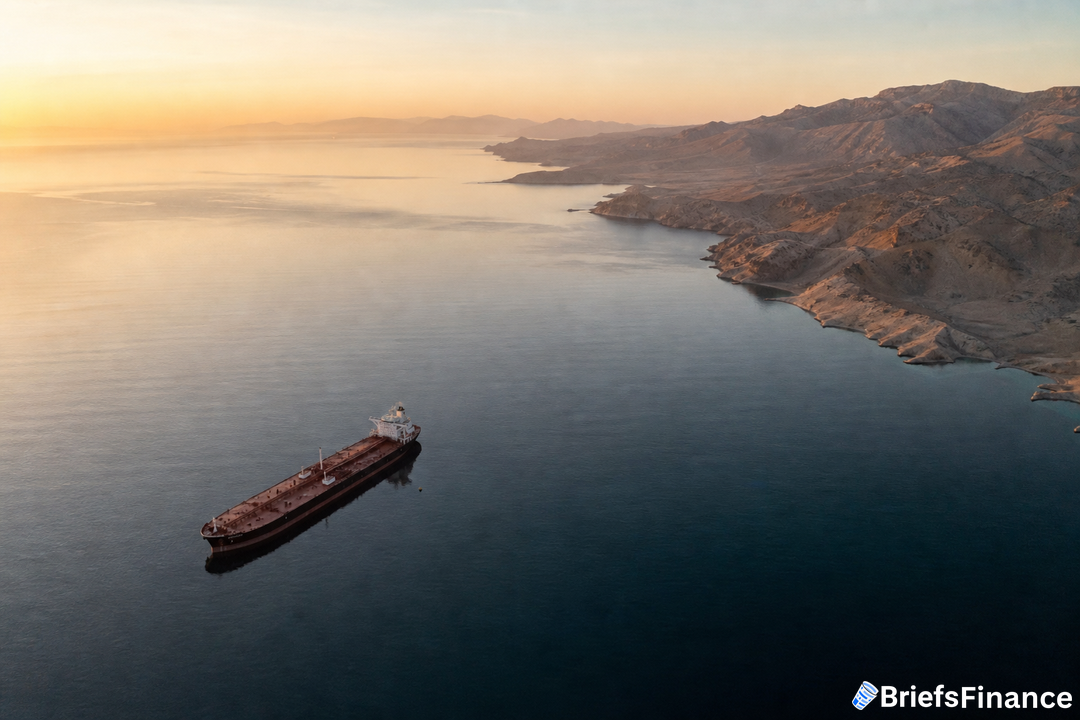
Iran says it put a one-week reopening plan on the table for the Strait of Hormuz and is now waiting on a clear U.S. response, even after President Donald Trump publicly shot it down. Foreign Minister Abbas Araghchi told state broadcaster IRIB late Saturday that Tehran heard Trump's remarks but has received nothing from mediators in Qatar and Pakistan. He argued the dispute over a key energy chokepoint can only be resolved through talks, said Iran will not relax its conditions, and added that "the US president has made some good remarks as well as many contradictory ones, which unfortunately we hear from him frequently."
What the United States and others said
Trump made his position plain: "They made a proposal but I rejected it," and, "They want to make a deal where they open the strait immediately because they're losing so badly." Privately, envoys from the United States and Iran weighed a deal under which Tehran would reopen the strait and, per a person briefed on the discussions, Washington would remove the blockade on Iranian ports. That concept echoed a memorandum of understanding reached in mid-June that briefly produced a fragile ceasefire before it fell apart.
Regional tensions and recent attacks
On Saturday, Houthi militants in Yemen targeted Riyadh, the Saudi capital, a fresh sign that Iranian-backed groups are ramping up pressure on U.S. allies in the region. According to the Saudi-backed coalition in Yemen, two drones headed for Riyadh were shot down by air defense units, and a ballistic missile was also intercepted near Khamis Mushait on the southern frontier. About a week earlier, Riyadh's residents heard air-raid alerts for the first time since the peak of fighting in March and April, and air defenses intercepted missiles headed for the city.
What leaders have said and what to watch
Earlier, the Wall Street Journal said Trump anticipates restarting a bombing campaign against Iran following the U.S. midterm elections in early November and remains doubtful that Tehran will satisfy his conditions. Asked whether bombing would resume after the midterms, Trump did not answer. Separately, Iranian President Masoud Pezeshkian told the UN General Assembly last week that, so long as sanctions and a U.S. blockade persist, Iran will not permit unrestricted passage in the Strait of Hormuz and will uphold its claim to pursue nuclear technology for economic purposes.
Global events can unsettle sentiment, so steady strategies help protect your savings. Join Briefs Finance CEO Jaspreet Singh on September 29th for a FREE live investor workshop, How to Profit From A Dollar That's Losing its Value, where he shows how we're spotting investment opportunities as the dollar falls. Save your spot.
For your wallet, the through-line is simple: when a vital shipping lane is in play, energy markets can get jumpy fast, and that can ripple into prices you actually pay.
When uncertainty touches critical corridors of commerce, a clear financial plan supports long term growth. Our CEO Jaspreet Singh is hosting a FREE live investor workshop, How to Profit From A Dollar That's Losing its Value, on September 29th. Sign up free to join him live.