What changed at the border
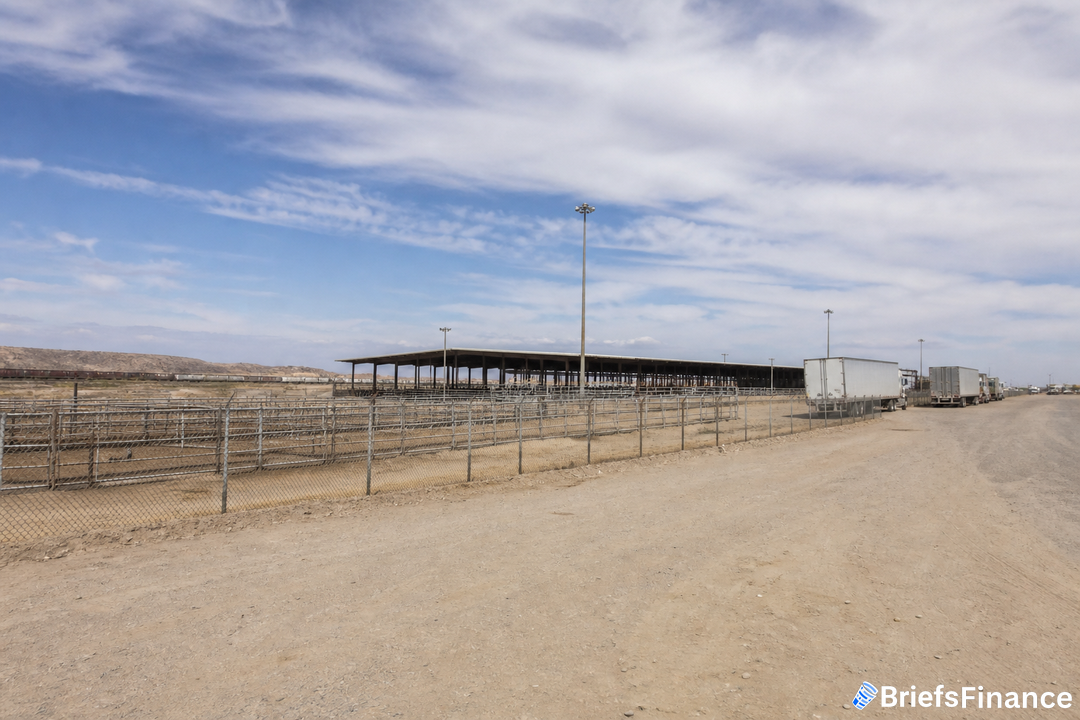
Santa Teresa handled nearly 500,000 head in 2024, about 40% of US cattle imports from Mexico, according to the Agriculture Department. Agriculture Secretary Brooke Rollins said Thursday the port will reopen Sept. 24 and that agency teams are already preparing the site.
It will be the second crossing to come back after last year's halt, and it is far larger than the Arizona facility that resumed activity last month. The US wants to bring additional ports back. Rollins said the USDA is "looking every day at reopening the Columbus, New Mexico, port," and the department has also been assessing its Nogales, Arizona, location.
The slowdown that began late last year and the pause in November 2024 aimed to block the spread of New World screwworm. "All the boxes have been checked. We feel really good about all the protocols that are in place," Rollins said. "If there is one question and we're not 100% sure in the safety and the protocols, then we will push it back."
Why this matters for supply and prices
Prior to the stoppage, Mexico regularly sent over a million head each year into the US for feeding and subsequent processing. With that flow removed, packers were squeezed and, as cattle became scarce, closed beef plants over the past year; the resulting jump in retail beef to record levels drew heightened attention from the Trump administration.
Since trade restarted at the end of August, more than 6,000 cattle have moved through the Douglas, Arizona, port, USDA data show. A combo of plant closures, rising Mexican cattle inflows, and more ground beef imports has lifted beef processing margins into the green again, a level not seen since April, HedgersEdge reports. Last month, President Donald Trump announced plans to permit as much as 300,000 tons of ground beef to come in at reduced tariffs, though USDA projections indicate only part of that volume is likely to be used. The recovery is still fragile: Tyson Foods Inc., the biggest US meatpacker, lowered its yearly guidance two times in the span of a month.
When borders and trade shift, steady investors focus on protecting and growing wealth. Join Briefs Finance CEO Jaspreet Singh on September 29th for a FREE live investor workshop, How to Profit From A Dollar That's Losing its Value, where he shows how we're spotting investment opportunities as the dollar falls. Save your spot.
Disease control, risks, and what to watch
Worries about screwworm in the US have eased. Texas has two active cases, and total infestations since June are under 50. Mexico still has nearly 2,000 active cases.
To suppress the pest, US teams are dispersing sterile male flies that mate with wild females to limit reproduction. The US plans another fly-dispersal site in Arizona, and it expects a larger Texas facility that produces those insects to start up in spring 2027. "We're not yet at eradication, I want to make sure everyone understands that," Rollins said.
What this means for your portfolio
If cattle start flowing through Santa Teresa again, packers should get some relief and, over time, that can filter into prices at the meat counter. Watch volumes through the reopened crossings and how much of that up to 300,000 ton ground beef allowance actually gets used. Those real world markers will tell you how quickly the squeeze is easing.
A patient approach to money helps you weather change and pursue long term goals. Our CEO Jaspreet Singh is hosting a FREE live investor workshop, How to Profit From A Dollar That's Losing its Value, on September 29th. Sign up free to join him live.