A Promise, Then a Pause
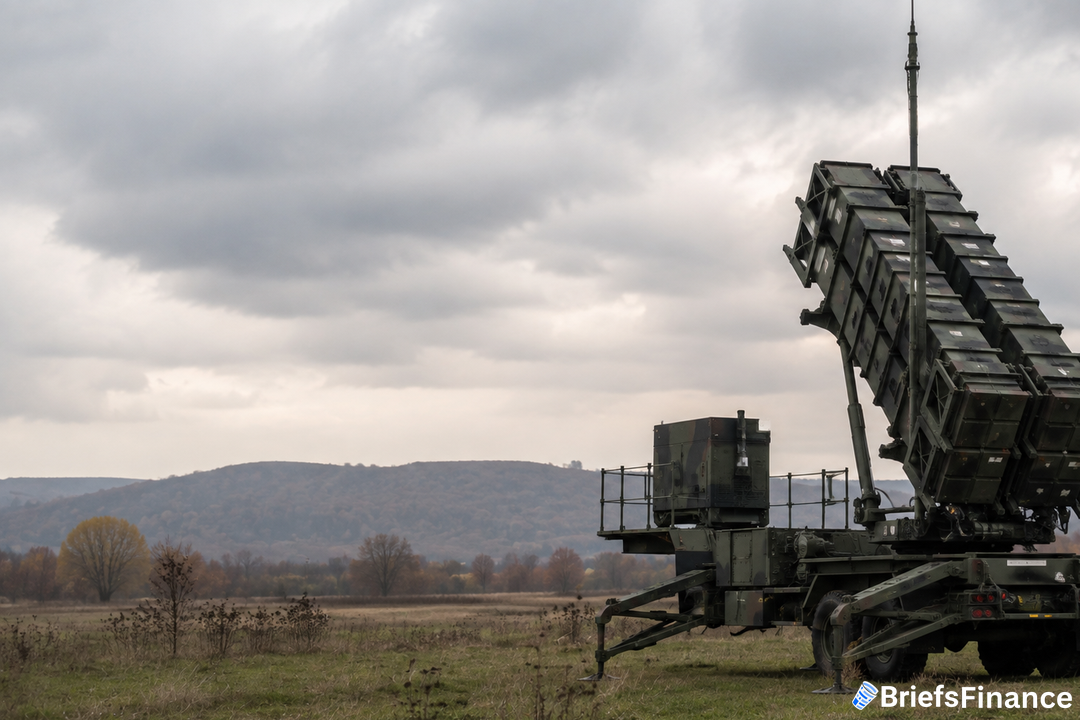
President Donald Trump said on Friday, July 31, at Camp David in Maryland that the U.S. "has not agreed" to let Ukraine produce Patriot missile systems.
The comment came after Trump told the Financial Times on Thursday that he was "not sure" whether Kyiv would actually receive permission to build the "extraordinary weapon." It also came three days after his White House meeting with Ukrainian President Volodymyr Zelenskyy.
Zelenskyy said the two leaders had a "good meeting" about the Patriot licenses.
Why the Technology Is Hard to Give Away
The Patriot is an advanced military technology. Ukraine's president has described the system as "vital for stopping Russian ballistic missiles." Zelenskyy has called the system a "top priority" in his discussions with U.S. officials.
Trump called the technology "a hard thing to give away" and warned that a country receiving it could "someday turn on you." "You have to be very careful," he said.
Get the market news that matters in a five-minute read with Market Briefs, our free daily newsletter
Because Lockheed Martin builds the Patriot, the company would be central to any effort by Ukraine to manufacture the system itself. Zelenskyy's session with Lockheed's team was meant to develop "joint capabilities" and start producing Patriots together. That makes the company's cooperation an important part of the negotiations, alongside the U.S. government's decision on licensing.
The president's more cautious tone follows worries that U.S. stockpiles of advanced weapons, including Patriots, are being stretched by the American military campaign in Iran.
What a License Would Mean for Ukraine
The difference between receiving finished Patriot systems and being allowed to build them is significant. A license would mark a major step toward co-production, giving Ukraine more control over the supply of a weapon it regards as essential. Trump's earlier promise was followed by his latest remarks, showing that final approval is still pending.
Zelenskyy has framed the Patriot as a top priority in discussions with U.S. officials because of the threat from Russian ballistic missiles. Co-production would allow Ukraine to work with Lockheed Martin to build the system domestically, reducing reliance on the same limited U.S. stockpiles that are strained by operations in Iran. The complexity of the technology and the risk that a recipient could someday use it against the U.S. are reasons Washington is moving cautiously.
Licensed production would be a major departure from the current arrangement, in which the U.S. supplies finished systems rather than the technical knowledge needed to assemble them in Ukraine. It would give Kyiv a direct stake in the manufacturing process and a more predictable supply line for a weapon it views as essential to its defense.
Talks Continue
"We agreed that our teams will stay in touch and work through everything discussed today," Zelenskyy wrote on X. "I thank the United States for its support of Ukraine and our people."
"Our teams are already working on specific solutions to move to co-production as quickly as possible and increase our capabilities to protect lives," he said.
CNBC had not received an immediate response from Lockheed about the president's comments.
This story is developing and will be updated.
Join Market Briefs, our free daily newsletter, for a quick daily rundown of the markets