Free NewsletterPro Login

Warning: Undefined variable $stocks in /var/www/briefs.co/htdocs/wp-content/plugins/oxygen/component-framework/components/classes/code-block.class.php(133) : eval()'d code on line 448

Warning: foreach() argument must be of type array|object, null given in /var/www/briefs.co/htdocs/wp-content/plugins/oxygen/component-framework/components/classes/code-block.class.php(133) : eval()'d code on line 448

Warning: Undefined variable $funds in /var/www/briefs.co/htdocs/wp-content/plugins/oxygen/component-framework/components/classes/code-block.class.php(133) : eval()'d code on line 472

Warning: foreach() argument must be of type array|object, null given in /var/www/briefs.co/htdocs/wp-content/plugins/oxygen/component-framework/components/classes/code-block.class.php(133) : eval()'d code on line 472
/* the link was here */
×
Free investor livestream — Nov 17

How To Use ChatGPT & Claude To Research Stocks Like A Pro

01
The prompt we use to break down any stock
02
How to fact-check what AI tells you
03
How to compare two stocks in minutes
Home » Deep Briefs »  » What Is a Sinking Fund? How to Start One

What Is a Sinking Fund? How to Start One

Published: Nov 2, 2026 
Disclosure: Briefs Finance is not a broker-dealer or investment adviser. All content is general information and for educational purposes only, not individualized advice or recommendations to buy or sell any security. Investing involves significant risk, including possible loss of principal, and past performance does not guarantee future results. You are solely responsible for your investment decisions and should consult a licensed financial, legal, or tax professional before acting on any information provided.
Summary:
  • A sinking fund is money you save each month for a cost you know is coming, like car insurance or holiday gifts.
  • Divide each cost by the months until it's due, then move that amount to a separate account every payday.
  • Sinking funds cover planned costs, while your emergency fund covers the surprises.

There are two ways to pay for $600 of holiday gifts. You can put all of it on a credit card in December, then start January with a $600 balance that charges interest.

Or you can save $60 a month starting in March. When December comes, the $600 is already in a savings account, and you pay with cash instead of a card.

That second way is called a sinking fund. This guide covers how one works, how to start one in five steps and how much to put in each month, using the personal budget meaning of the term, not the one about bonds.

If you like money tools explained this simply, join our free investor livestream on November 17, where CEO Jaspreet Singh shows how to use ChatGPT and Claude to research stocks like a pro.

How a sinking fund works

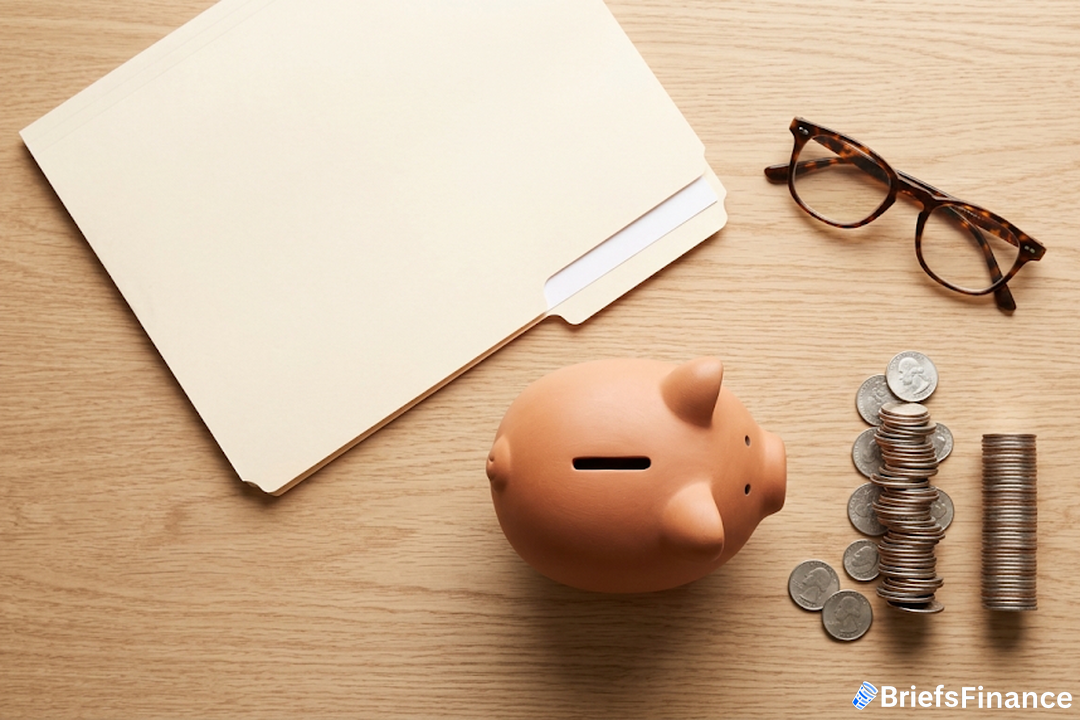
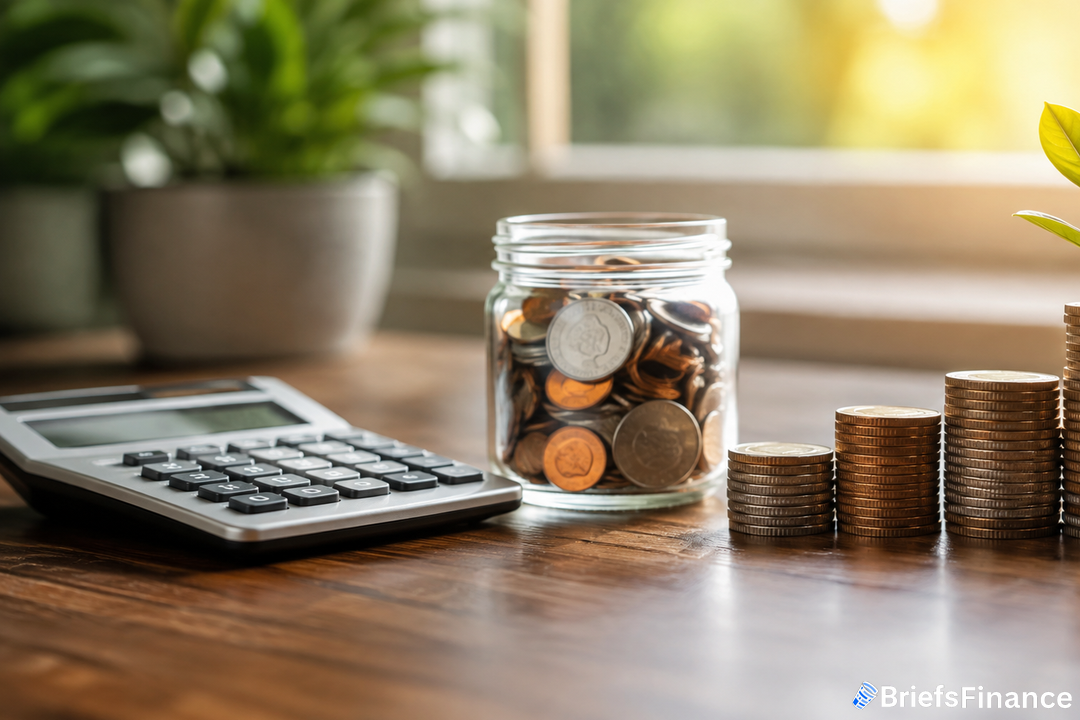
Every sinking fund has three parts: a planned cost, a monthly amount and a separate account to keep the money in. You know the bill is coming, so you split it across the months before it's due.

Say your car insurance is $720 and it's due in six months. Instead of coming up with $720 at once, you save $120 a month, and when the bill arrives, you pay it with money you already have.

It's the opposite of buy now, pay later, because you make the payments before you buy instead of after. You also avoid borrowing for a cost you knew was coming, which Briefs covers in good debt vs. bad debt.

How to start a sinking fund, step by step

  1. List the costs coming up in the next year. Go through your calendar and your budget and look for anything that doesn't come every month.
  2. Put a price on each one. Use last year's bill and round up, since prices can go up from one year to the next.
  3. Divide by the months left. That's how much to save each month for that cost.
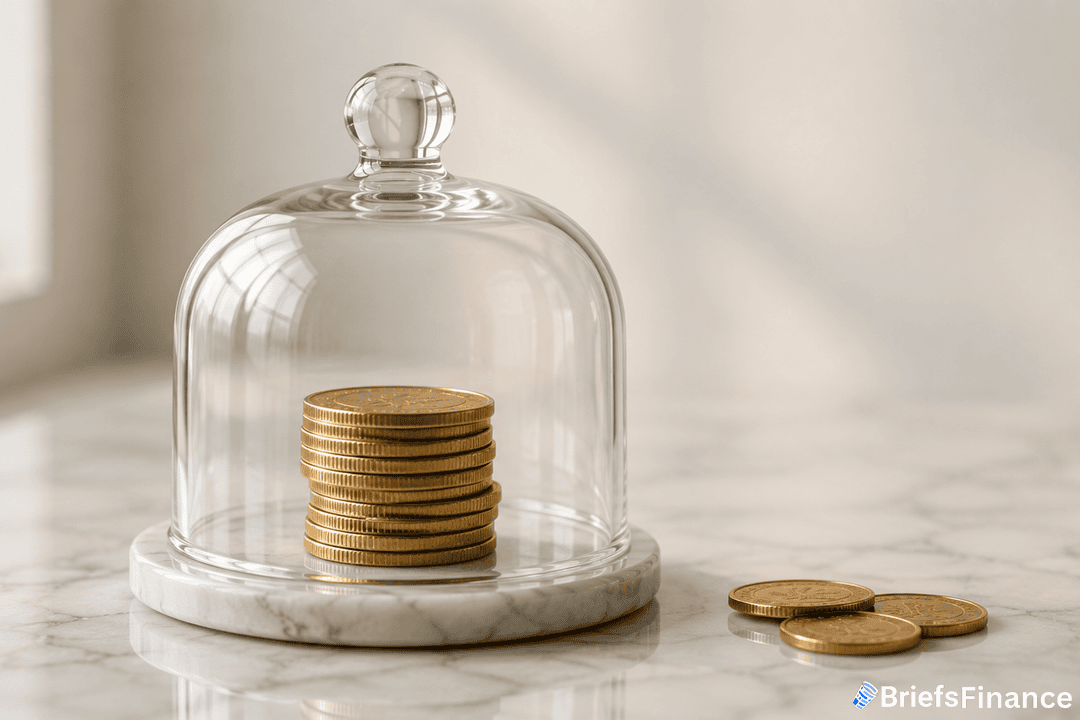
  4. Keep the money separate from your spending money. Use a separate savings account, or a labeled savings bucket if your bank offers them.
  5. Set the transfer to happen on payday. The money moves before you can spend it.

The Climb to Wealth class teaches you to automate your money so you're not relying on willpower, and step 5 does that. Once it's set up, the fund grows every payday without you doing anything.

Many people keep sinking funds in a high-yield savings account, which pays more interest than a standard one while the money sits there.

How much should you put in a sinking fund?

Divide the cost by the number of months until it's due. Wright-Patt Credit Union uses the same basic math to work out the monthly amount.

Say you have three costs coming up:

Planned cost Total Months until due Save each month
Car insurance $720 6 $120
Holiday gifts $600 10 $60
New tires $480 8 $60
Total $240

These costs are examples. Your list might be longer or shorter, but you do the same math on every line.

If $240 a month feels like a lot, start with your bills. A short call can sometimes lower your monthly bills, and the money you save can go into your sinking funds.

Sinking fund examples

Most sinking funds cover costs that come once or twice a year:

  • Car insurance, if you pay every six or twelve months.
  • Car repairs and new tires.
  • Holidays and gifts.
  • Back-to-school clothes and supplies.
  • Yearly subscriptions and memberships, like a $139 shopping membership.
  • A vacation.
  • Home repairs, if you own a home.

You don't need a fund for every item right away. Start with the one or two biggest, add more over time and check a list of common money leaks to find the money.

Sinking fund vs emergency fund

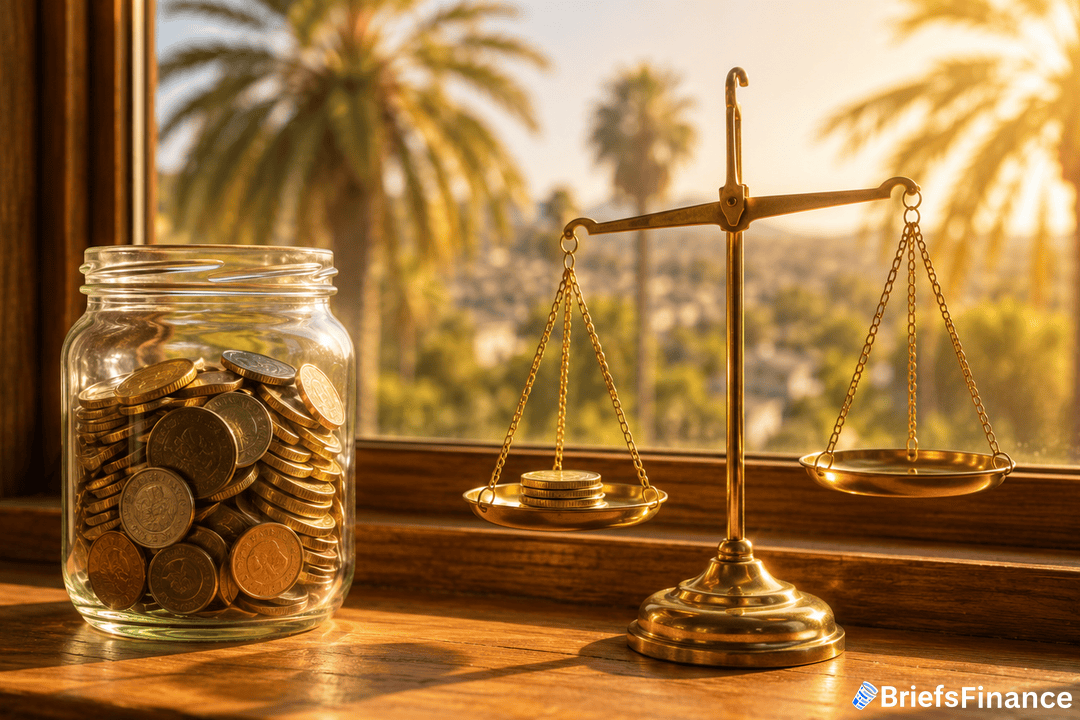
A sinking fund is for costs you can see coming, and an emergency fund is for the ones you can't, like a layoff or a trip to the ER.

Keeping them apart protects the order the Climb to Wealth class teaches: save your first $2,000, pay off credit card debt in the right order, then automate it. If gift money has its own account, holiday shopping can't use up the cushion you worked to save your first $2,000.

Once that cushion is in place, Briefs explains how much your emergency fund should be when it's fully built, and why the emergency fund comes first.

What are the disadvantages of a sinking fund?

Sinking funds do have a cost: money in one can't go toward other goals while it's there, and you have to keep adding to it every month. Capital One covers both sides, along with how a sinking fund is different from an emergency fund.

It also only covers what you planned for. A sinking fund for new tires won't pay for a broken transmission, so you still need an emergency fund.

If you have credit card debt, every dollar going into a sinking fund isn't going toward your balance. One way to handle both is to fund only your one or two biggest planned bills and put the rest of your extra money toward a plan to pay off credit card debt.

Why is it called a sinking fund?

The term also has a business meaning. The Cambridge Dictionary defines it as money a company or government saves over time to pay back future debts, and this guide covers the personal budget version.

Where a sinking fund fits in your budget

If you follow the Briefs split, sinking funds come out of your lifestyle money, not your savings or investing money. In the 75/15/10 split Briefs teaches, at most 75% of your pay goes to lifestyle, at least 15% to investing and at least 10% to savings.

Gifts and tires are lifestyle costs, so they belong in the 75%. That leaves your 10% and 15% alone, and the 15% is covered in the Briefs guide on how much of your paycheck to invest.

Investing involves risk including loss, and past performance does not indicate future results.

Start your first sinking fund this week

  • List the costs you know are coming this year and price each one.
  • Divide each cost by the months left and add up the monthly total.
  • Move that amount to a separate savings account every payday.

With sinking funds in place, the car insurance, the tires and the holiday gifts get paid from savings instead of a credit card, so a big bill doesn't send you back to living paycheck to paycheck. Briefs covers the rest of managing your money, from budgets to investing.

For another set of tools, this time for investing, join our free investor livestream on November 17 and watch CEO Jaspreet Singh research stocks live with ChatGPT and Claude.



Tag »

More Deep Briefs

Should You Invest or Pay Off Debt? How to Decide

Pay Yourself First: What It Means and How to Automate It

What Is a Good Credit Score? Ranges and What Moves Yours

How to Lower Your Credit Card Interest Rate, With a Call Script

How Does Credit Card Interest Work? A Plain-English Guide

Credit Card Minimum Payment: What Happens If You Only Pay It

Should You Save or Pay Off Debt First? How to Decide

Debt Snowball vs Avalanche: Which Card to Pay First

What Is a Sinking Fund? How to Start One

Are We in a Recession? 5 Threats to the Economy and Where the Money Is Moving

How Boring Math Makes You Rich: The Briefs Money Spreadsheet, Explained

Common Investing Mistakes: Why a Stock Grade Is One Tool, Not the Whole Toolkit

How to Read a Company's Numbers Without a Finance Degree (Using Briefs Terminal)

What Type of Investor Am I? The Three Investor Archetypes, Explained

How to Build a Stock Watchlist That Isn't Just Stocks You Heard About

How to Choose an ETF That Matches Your Idea (Using the ETF Planning Tool)

Is This Stock a Good Buy? How to Use the Briefs Score to Tell If a Stock Fits the Way You Invest

How to Tell an Asset From a Liability: The One Question to Ask Before You Buy Anything

How to Build Your First $2,000 Emergency Fund and Wipe Out Every Debt Over 10%

How to Invest Through a Crash: 3 Rules From the Worst-Timed Investor Alive

Active vs. Passive Investing: How To Build A Million Dollar Portfolio Faster

Growth, Income, or Wealth Preservation: How To Build Wealth No Matter Which Way You Invest

What Is the Briefs Connector? A Simple Guide

Is a Recession Coming? What the Last Five Rate Hiking Cycles Say

Fed Interest Rates May Rise Again in 2026 - and the Newest Culprit Is AI

Housing Market 2026: Why Office Buildings Are Cracking Before Houses Do

Dividend Investing vs. Growth Investing: Why the Slower Portfolio Can End Up Bigger

Why Is Gold Going Down? A 5.2% Treasury Yield Just Took Its Job

The Strategic Bitcoin Reserve: Why the Government Wants Bitcoin to Explode

BRIEFS EXCLUSIVE: 43% Of Respondents Say Bills Outran Their Income Over Past Two Years

The Economy Is Booming. So Why Did Stocks and Bonds Fall Together?

The 2026 Economic Reset Is Starting: Are We in a Recession, or Is the Pain Still Ahead?

Are We in a Recession? Without AI, America Might Already Be in One - and Washington Knows It

Will Interest Rates Go Down in 2026? Where the Money Moves Either Way

How the Federal Reserve Makes Money - and Why It Just Posted Its Biggest Loss Ever

Kevin Warsh Just Defied Trump: What the Fed Rate Hike Means for Your Money

Why America Bailed Out the Yen: The Japan Carry Trade, the Dollar and Your Mortgage Rate

Treasury Yields Are Spiking Because Lenders Are Backing Away From U.S. Debt

Fiat Currency Runs on Trust, and the World Just Stopped Trusting the Dollar

When Will RAM Prices Go Down? Inside the Memory Shortage

How Is the Economy Doing? Washington Says It's Fixed, but the Numbers Don't Agree

US National Debt Hits $40 Trillion: Why the Economy Hasn't Collapsed Yet

Your 401k Is Fueling the AI Bubble

What Is Wealth Preservation? How To Protect Your Money From Anything

Why Is Everything So Expensive? Why Prices May Never Come Back Down

US Housing Market: Why Renting Can Cost Less Than Buying

An Interest Rate Hike in 2026? The Fed Just Broke Its Own Script

5 Passive Income Ideas That Pay You Whether You Work or Not

The Best Way to Invest 10k: Three Options To Transform 10K into 10 Million

The Tax Write Offs the Rich Are Using in 2026 While the IRS Shrinks

America Is Running Out of Debt Buyers. Treasury Bills Are the Government's Fix

How to Get the Most From Your Guideline 401k

Principal 401k: What to Know About Your Plan

What a Tariff Dividend Means for Your Money

No Tax on Overtime: How Overtime Pay Is Taxed

Reading the Silver Price Forecast for 2026

What to Do When Reddit Stocks Go Viral

Why Is Bitcoin Dropping? 4 Reasons Bitcoin Falls

The Fidelity 500 Index Fund, Made Simple for Beginners

USA Penny Stocks: Risks and Rewards Explained

Finding Cheap Stocks to Buy Now Without Getting Burned

Best Dividend Stocks: A Beginner's Playbook

Roth 401k, Explained for New Investors

How a Roth IRA Calculator Shows Your Future Wealth

Portfolio Diversification: Why Putting All Your Eggs in One Basket Destroys Wealth

Non Taxable Income: What It Is and Why It Matters

What Are Semiconductor Stocks? Chip Stocks Explained

How Stocks Work: A Simple Guide for Beginners

Stop Loss vs Stop Limit: What's the Difference?

Energy Stocks: A Simple Guide for Investors

What Is a Stop Loss Order? A Simple Guide

Best S&P 500 Index Fund: How to Choose One

What Are Penny Stocks? Risks and Rewards Explained

Best Stocks for Beginners With Little Money

Tech Stocks: A Simple Guide for New Investors

What Is a Joint Stock Company? A Simple Guide

Capital Gains Tax in California: A Simple Guide

Top Covered Call ETFs: How to Compare Them

What Are Stock Options? A Plain-English Guide

EBITDA Margin: What It Is and How to Calculate It

What Is Taxable Income? A Simple Guide for Investors

What Is a Covered Call? How the Strategy Works

What Is Gross Margin? A Simple Guide for Investors

What Is a Dividend? A Plain-English Guide for Investors

Financial Literacy Books That Actually Build Wealth

What Is a Roth Conversion? A Simple Guide

Trailing Stop Loss: How to Protect Your Gains

5 Types of Wealth: Why Money Is Only One of Them

How to Invest in Private Equity: A Beginner's Guide

What Is a Call Option? A Simple Guide With Examples

EBITDA Formula: How to Calculate It Step by Step

What Is a Stock Option? A Plain-English Guide

Put Option: What It Is and How It Works

Operating Margin: What It Is and How to Calculate It

Enterprise Value: What It Is and How to Calculate It

Free Cash Flow: What It Is and Why It Matters

What Is Working Capital? A Simple Guide for Investors

Covered Call: How This Income Strategy Actually Works

Gross Margin: What It Is and How to Calculate It

Backdoor Roth IRA: A Simple Guide for High Earners

1 2 3 4

Get Market Briefs delivered to your inbox every morning for free!

No fluff. No noise. No politics. Just finance news you can read in 5 minutes.


Join Free

Blogs

November 2, 2026
Credit Utilization: How Paying Down Cards Can Help Your Score
  • Credit utilization is your card balances divided by your credit limits, checked overall and card by card.
  • Lower is generally better, and Experian says the effect becomes more noticeable around 30%.
  • Paying down balances and keeping new charges off your cards are the main ways to lower it.
Read More
November 2, 2026
How to Calculate Your Net Worth, With a Worked Example
  • Net worth is what you own minus what you owe, and it can be negative early on.
  • Use today's value for your assets and today's payoff balances for your debts.
  • Recalculate on the same date each quarter or year, since the trend matters more than the starting number.
Read More
November 2, 2026
How to Get Out of Debt on a Low Income, Step by Step
  • List every debt with its balance, APR, minimum and due date, then pause new charges.
  • An extra $50 a month on a $3,000 card at 22% cuts the payoff from about 44 months to about 26.
  • If nothing is left over, call your lenders and a nonprofit credit counselor, and avoid anyone who charges fees before settling debt.
Read More
November 2, 2026
How to Save Money on a Low Income, With a Budget Example
  • Saving 10% of a $2,000 paycheck is $200 a month, which reaches a first $2,000 in 10 months.
  • Set the transfer for payday and keep the money in a separate savings account.
  • Lower your biggest bills, cancel unused subscriptions and check programs like Lifeline and the EITC.
Read More
November 2, 2026
How to Budget With an Irregular Income, Even in Lean Months
  • Build your budget on your lowest recent month, not your average, so slow months don't leave you short.
  • Pay yourself a fixed salary from a holding account, and keep extra from good months as a cushion.
  • If no one withholds tax from your pay, set tax money aside every month.
Read More
November 2, 2026
How to Track Your Spending in 15 Minutes a Week
  • Start with last month's bank and card statements, receipts and any cash purchases.
  • Sort every purchase into a few groups that match your budget, like groceries and eating out.
  • Spend about 15 minutes each week adding purchases, checking each group and picking one change.

Read More
November 2, 2026
Should You Invest or Pay Off Debt? How to Decide
  • Card interest is a cost you can see ahead of time, while investing returns can go up or down.

  • A $3,000 card balance at 24% costs about $60 in interest in the first month.
  • Check whether you have a cushion, how high your rate is, whether your employer offers a match and how you'd handle a market drop.
Read More
November 2, 2026
Pay Yourself First: What It Means and How to Automate It
  • Paying yourself first means moving money to savings and investing on payday, before bills and spending.
  • The 75/15/10 split puts at least 10% toward savings and at least 15% toward investing.
  • Start smaller if money is tight, and automate the transfers so you only make the decision once.
Read More
November 2, 2026
What Is a Good Credit Score? Ranges and What Moves Yours
  • On the FICO scale, a good credit score is 670 to 739, and very good starts at 740.
  • Payment history (35%) and amounts owed (30%) are the two biggest parts of your score.
  • Paying every bill on time and paying down card balances are the two best places to start.
Read More
November 2, 2026
How to Lower Your Credit Card Interest Rate, With a Call Script
  • Before you call, have your APR, balance, card history, on-time record and any lower-rate offers ready.
  • Use the script to ask for a lower rate, then ask for a temporary cut or a hardship program if the answer is no.
  • On a $5,000 balance paid at $200 a month, dropping from 26.99% to 23.99% saves about $430 in interest.
Read More
1 2 3 … 31
Share via
Copy link