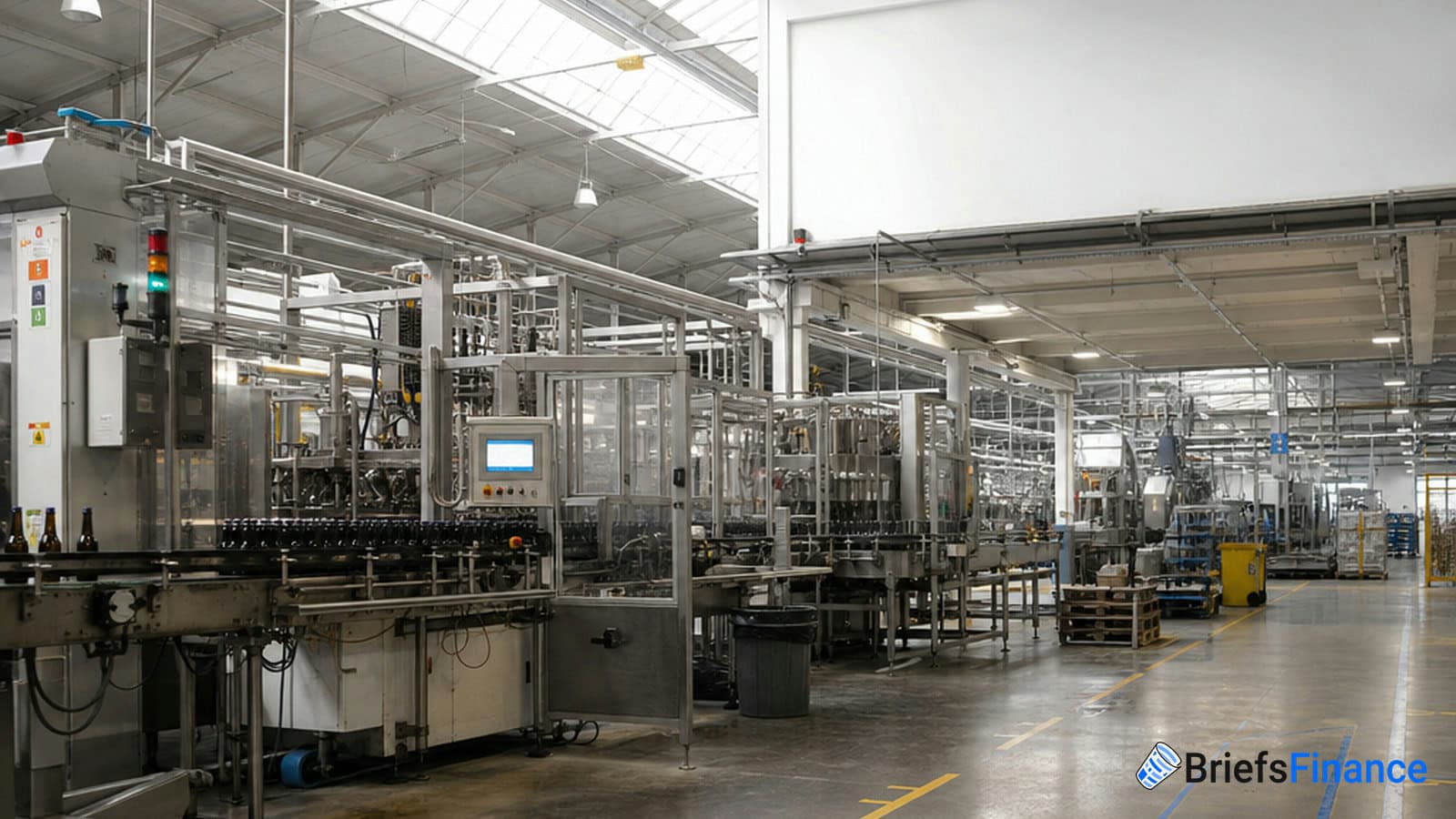
Oil is up, inflation is running at 3.8%, and the Strait of Hormuz is barely working. Somehow, US factories just had their best month in four years.
The Institute for Supply Management's manufacturing index - a monthly survey of purchasing managers at hundreds of US factories - hit 54 in May, the highest reading since May 2022.
Any reading above 50 means the sector is growing, and this is the fifth straight month above that line.
What's Driving The Comeback
A few things are working in factories' favor. The wave of AI investment hitting the US is driving demand for everything from electrical equipment to specialty chemicals, with billions of dollars flowing into new data centers and chip plants.
New tax rules are making it cheaper to build and buy equipment, while the trade policy fog that hung over 2024 has mostly lifted.
Nearly every industry reported growth in May - printing, textiles, electrical gear, plastics - with wood products as the only sector still shrinking.
New orders climbed to a four-month high, and production picked up alongside them.
The bottom line: Factory floors are busy in a way they haven't been in years.
Every morning, Market Briefs breaks down what numbers like this actually mean for your money - in five minutes a day, plus a free investing masterclass when you sign up.
Rising Input Costs Could Test The Rebound
Part of that demand surge is coming from customers racing to stock up on goods before prices climb higher. That's where the Middle East conflict comes in.
The effective shutdown of the Strait of Hormuz - the narrow waterway that handles roughly a fifth of the world's oil shipments - has driven up the cost of oil and key raw materials.
The ISM's price gauge eased slightly in May but is still near levels last seen in 2022.
Susan Spence, who chairs ISM's manufacturing survey committee, said she thinks most of the demand is real - pent-up orders rather than panic buying. But she added a warning: "If prices don't settle down... that could start to choke off demand."
And there's a bigger problem: the Fed's favorite inflation gauge rose 3.8% in April from a year earlier.
That's nearly double the Fed's 2% target and the fastest pace since 2023.
What To Watch
The manufacturing rebound is real, but it's running on two engines that don't usually fire at the same time - real demand and stocking up before prices rise.
If oil cools off and the Middle East calms down, the demand side could carry the sector through the rest of the year. If it doesn't, those rising costs will start eating into orders.
Friday's jobs report will be the next read, especially since ISM's employment gauge improved in May but still showed factory headcounts shrinking.
Hiring is the tell. If factories start adding workers, this run has real legs.
If you want this kind of read on the market every weekday, join 350,000+ investors reading Market Briefs - you also get a 45-minute investing course thrown in as a bonus.