Most people think Big Oil makes its money pumping crude, but a quiet trading desk is doing a lot of the heavy lifting. TotalEnergies CEO Patrick Pouyanné says that desk brings in around $2 billion a year, and it does its best work when markets get messy.
Why Trading Wins When Prices Swing
A trading desk buys and sells oil cargoes around the world, betting on where prices move next, so it earns more when prices swing hard. That is the opposite of the rest of the business, where wild swings usually hurt an oil company.
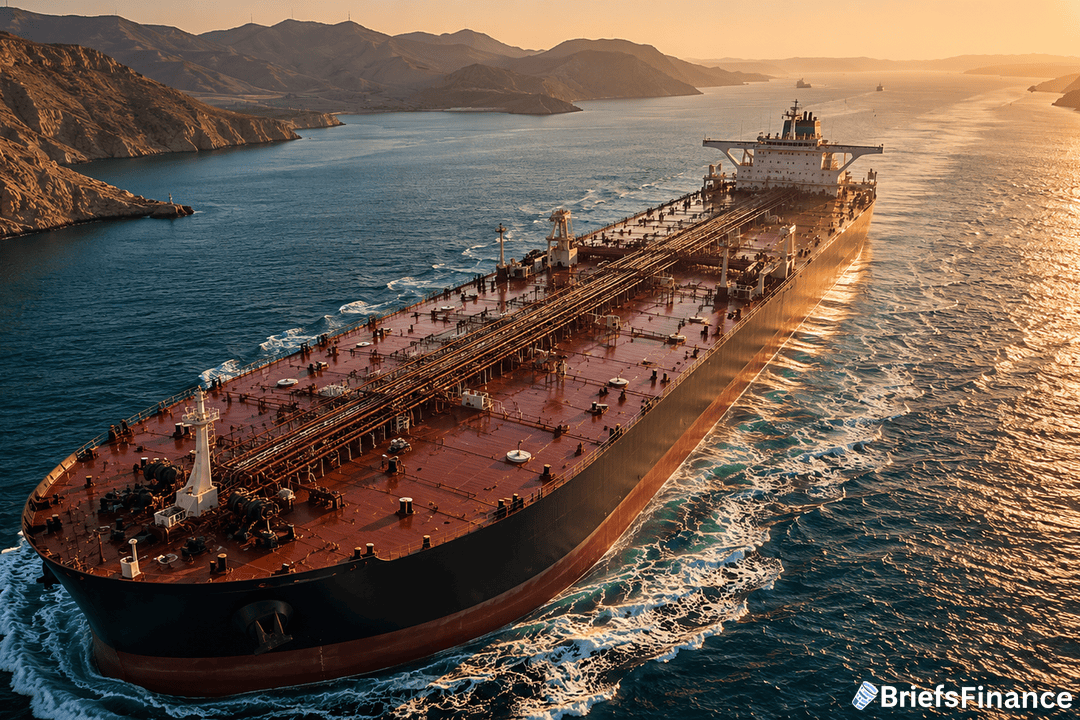
Early this year, tension in the Middle East choked shipping through the Strait of Hormuz, the narrow passage that carries a huge share of the world's oil. Prices jumped as a result, and TotalEnergies' traders were positioned to profit, reportedly clearing more than $1 billion on those bets in a single stretch.
We unpack moves like this every morning. Market Briefs explains what Wall Street is really watching in five minutes a day, and you get a free investing masterclass when you join.
The Steady Engine Behind The Headlines
Pumping oil is a feast-or-famine business, with profits that soar when crude is high and crater when it drops. Trading smooths that out, because it can earn money whether prices are rising or falling, as long as they keep moving.
TotalEnergies booked $182 billion in revenue last year, so a $2 billion trading contribution is a small slice. It is steady money, though, and it does not depend on the price of a barrel sitting still.
What To Watch
The trading desk is the part of Big Oil nobody talks about, running in the background and cashing in on the chaos that rattles everyone else. For investors, it is a reminder that oil giants are not just drillers but traders too, with a second business that can pay off exactly when the first one struggles.
For these desks, a calm and steady oil price is the only thing that hurts.
If you want this kind of breakdown every weekday morning, join millions of investors reading Market Briefs and grab a free 45-minute investing course on top.