AI stocks have done most of the heavy lifting for this market all year. Friday, they did the opposite.
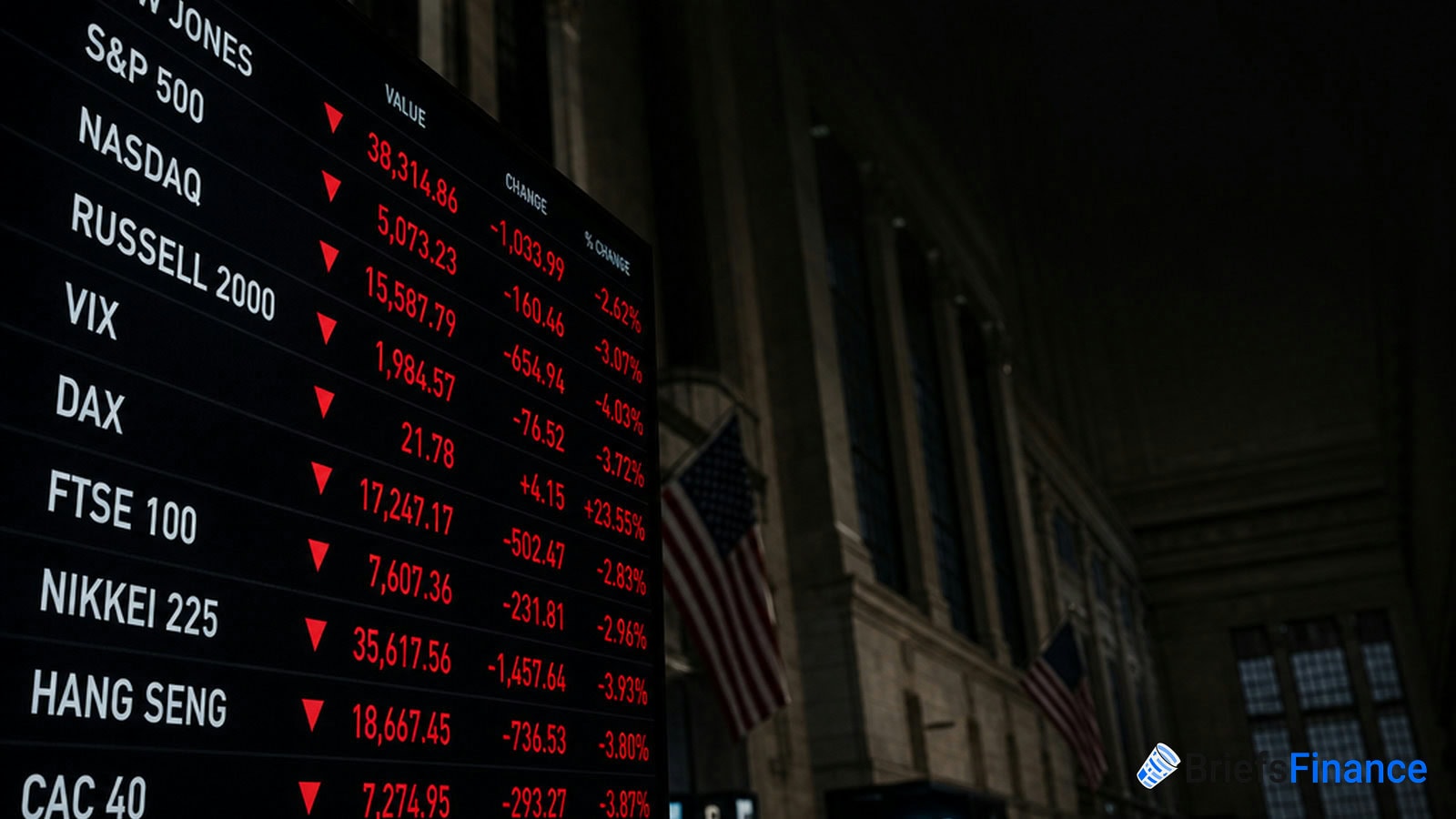
The Nasdaq and S&P 500 both posted their worst day of the year, with the same trade that pushed stocks to record highs now pulling them down.
How The Selloff Unfolded
The selling started in the AI names and spread fast, with the Nasdaq closing down 4.18% and the S&P 500 down 2.64% - the Nasdaq's worst day since April 2025 and the S&P 500's worst day since October.
Chip stocks took the heaviest hit, dragging hyperscalers and AI software names down with them as traders rushed to lock in this year's gains.
The S&P 500 also snapped a nine-week winning streak, erasing a meaningful chunk of the run that started after its first record high on April 15.
The Dow, which has less exposure to tech, fell 695 points, or 1.35% - its worst day in about three months. Wall Street's fear gauge, the VIX, surged 40% to its highest level in two months.
When the market moves like this, the why matters more than the what. Market Briefs breaks down what's actually driving days like this every morning in five minutes - plus a free investing masterclass when you sign up.
Fed Rate Cut Hopes Reversed
At the same time stocks were sliding, traders started pricing in something new: a real chance the Fed raises rates instead of cutting them.
For most of the year, the question was how many cuts were coming and when. Now the question is whether cuts are coming at all.
Traders now see a 43% chance the Fed hikes its benchmark rate in December, up from 26% a month ago, according to CME FedWatch. Stronger-than-expected economic data - the economy added 172,000 jobs in May, smashing expectations - and inflation readings that have been heating up have pushed the rate cut timeline further out than markets had priced in for months.
Higher rates make borrowing more expensive for companies and make safer bets like bonds look better next to stocks - which is why fewer cuts, or a hike, takes air out of the rally. The 10-year Treasury yield jumped to 4.54% on Friday, adding more pressure on stocks.
That math hits AI stocks hardest because their sky-high valuations price in years of future growth, and those future earnings shrink in value when rates stay high.
Why AI Stocks Hit So Hard
A handful of names tied to chips, data centers, and AI software have done most of the work behind this year's gains. When that group sells off, the whole market feels it.
Meta dropped 5.5% on reports it is seeking to raise equity to fund its AI buildout, accelerating the afternoon selloff in tech.
The Magnificent 7 - the group of mega-cap tech names that includes the biggest AI winners - now makes up roughly a third of the S&P 500's total value, which means the index essentially moves on a few earnings reports each quarter.
The flip side: that concentration cuts both ways, sending the market up faster when AI is winning and down faster when it's losing.
What To Watch
The next read on inflation will tell traders whether the Fed has reason to hold steady or hike. Until then, every AI earnings report and every chip stock move will set the tone.
Volatility is also likely to stay elevated until earnings season clarifies whether AI spending is still accelerating or starting to cool, and that decides where the next leg of this market goes.
Want the moves that matter delivered every weekday morning? Join 350,000+ investors reading Market Briefs and grab a free 45-minute investing masterclass while you're at it.