There's a company in the space sector that most investors […]

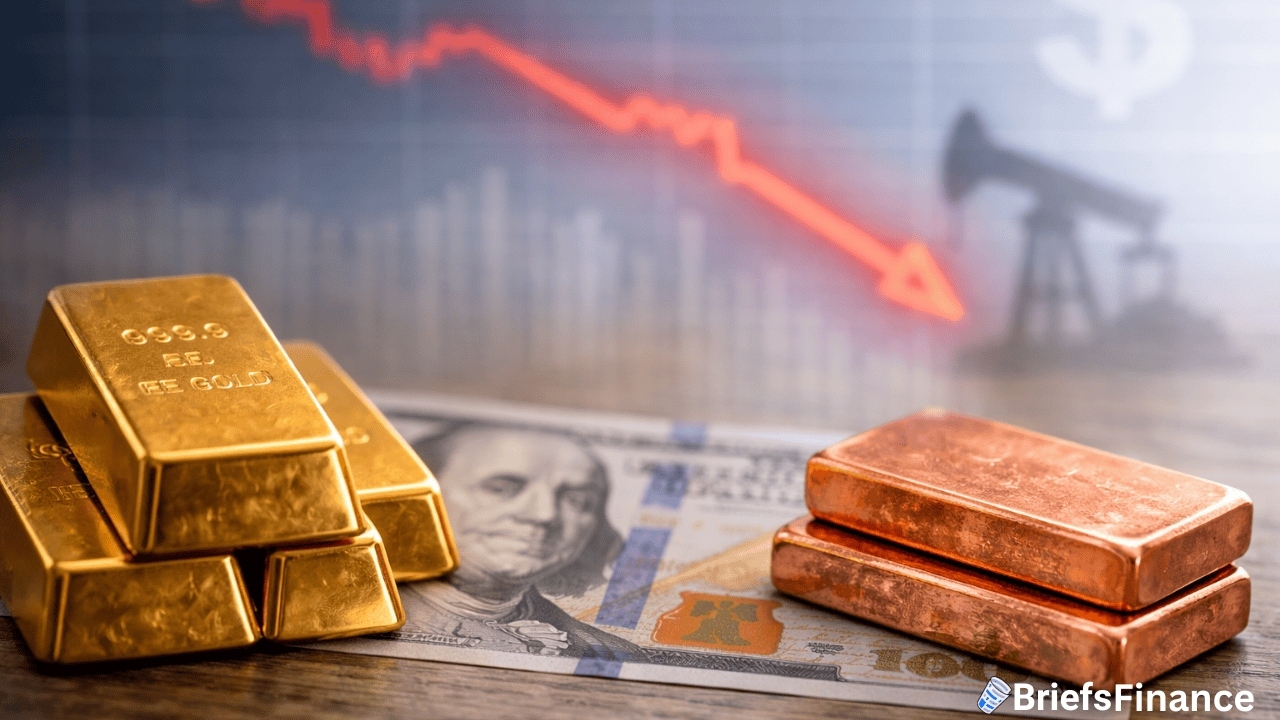
Gold is supposed to go up when the world gets scary.
Instead, it's been sliding ever since the first missiles hit Iran - and Thursday's drop was the ugliest yet. The metal lost close to 5% in a single session, dragging silver down more than 6% with it.
Here's why the playbook broke: oil is repricing everything. Rising energy costs are pushing inflation expectations higher, which is pulling interest rates up with them.
The 10-year Treasury - the benchmark rate that influences everything from mortgages to corporate borrowing - briefly topped 4.3% on Thursday.
That's a problem for gold. It doesn't pay interest, so when rates climb, investors have less reason to hold it.
A stronger U.S. dollar - another side effect of higher rates - makes it even less appealing.
"The risks to inflation taking away the Fed rate cuts that were priced in, and seeing interest rate increases across the world, and real rates rising, that has been the drag on gold," said Peter Boockvar, CIO at One Point BFG Wealth Partners.
Gold falling on rate fears is one thing. Copper falling is a whole different signal.
Copper shows up in basically every corner of the economy that involves building or making things - construction, electronics, plumbing, you name it.
When its price drops, it usually means the market is betting that demand for real stuff is about to slow down.
And that's exactly what happened.
Copper lost roughly 2% on Thursday, erasing its entire 2026 rally in one session. Over in London, copper has shed close to a tenth of its value in March alone.
The fear is straightforward: if oil stays this expensive for long enough, consumers and businesses start pulling back.
That's when an energy shock turns into a spending shock - and eventually a recession.
"On the industrial metal side, people are now really worried about the recession risks," Boockvar said.
Aluminum got hit even harder - its worst single session in nearly four years - with trading volumes in London hitting all-time highs.
Options-related hedging made the move worse, with dealers unwinding massive positions that had been built during the early days of the conflict.
When you combine rising prices with slowing growth, you get stagflation - the worst of both worlds for investors. And some on Wall Street are starting to position for exactly that.
But the people who actually set interest rates aren't buying it.
Fed Chair Jerome Powell said Wednesday that he'd "reserve the term stagflation for a much more serious set of circumstances."
Ed Yardeni, head of Yardeni Research, made a similar case in a note this week.
He pointed to 2022 as proof - when Russia went into Ukraine, oil spiked and prices ran hot, but the economy never tipped into a downturn.
His argument: modern energy shocks don't cause the kind of lasting damage they did during the 1970s oil embargo.
Not everyone agrees. Bernard Dahdah at Natixis said the broader outlook "is looking bleak" and that central banks may have no choice but to hike rates to fight inflation - which would only pile more pressure on metals.
The longer this war drags on, the more these recession fears will build. Boockvar thinks industrial metals need a ceasefire to find a floor.
Gold might have a different path.
If government debt and deficits keep growing - partly because of military spending - gold tends to benefit as a hedge against currency weakness.
Goldman Sachs' asset allocation team wrote Thursday that gold should find support in a stagflation scenario, especially if real interest rates start falling.
Wars end - but deficits can stick around a lot longer.
There's a company in the space sector that most investors […]
The Nasdaq Composite - one of the major indexes that […]
Many investors don’t realize that public companies have to file […]
When you first start investing, a million dollars feels so […]
Tech stocks have been ruling Wall Street for years now. […]
When most investors get started, they usually start investing as […]
At some point, almost every investor thinks the same thing: […]
If you've ever checked your own net worth - added […]
Warren Buffett said it simply: "If you don't find a […]