A day earlier, Trump said an Iran deal was two or three days away.
Then the U.S. struck Iran on Tuesday night, and Iran struck back at three U.S. allies.
A deal that close doesn't usually come with missiles flying over three countries.
What Happened Near The Strait Of Hormuz
U.S. Central Command said it hit Iran's air defenses and radar sites near the Strait of Hormuz. It called the strikes a fair response to the downing of a U.S. Army helicopter a day earlier.
That helicopter went down near Oman, and the U.S. saved both crew members within about two hours.
Both pilots are safe and unhurt, Trump said.
Iran then hit back fast, and Jordan said it shot down five Iranian missiles.
Bahrain set off alarms as its defenses stopped the attacks, and Kuwait turned on its systems too.
Iran also aimed at U.S. bases around the region, including the Navy's 5th Fleet in Bahrain.
Its guard force said it fired more than 20 strikes in all, a sign this fight is getting wider, not smaller.
When a conflict like this starts moving markets, the trick is knowing what actually matters. Market Briefs breaks it down every morning in five minutes, and joining comes with a free 45-minute investing masterclass.
The 'Obliterated' Military That Keeps Firing
For weeks, Trump has said Iran's military was wiped out.
But Iran's state TV mocked that after the latest attack, posting "So much for the Iranian military having been obliterated."
Iran still hasn't admitted to downing the helicopter.
Even so, its foreign minister warned that foreign forces near Iran are at risk and should leave.
"We prefer the language of diplomacy," he said, "but speak other languages too."
Iran's parliament speaker added his own warning, vowing to answer any broken promises.
Why Investors Are Watching
This fight doesn't stay in one place, because missiles aimed at Gulf cities put oil routes, airlines, and energy supplies at risk even when defenses hold.
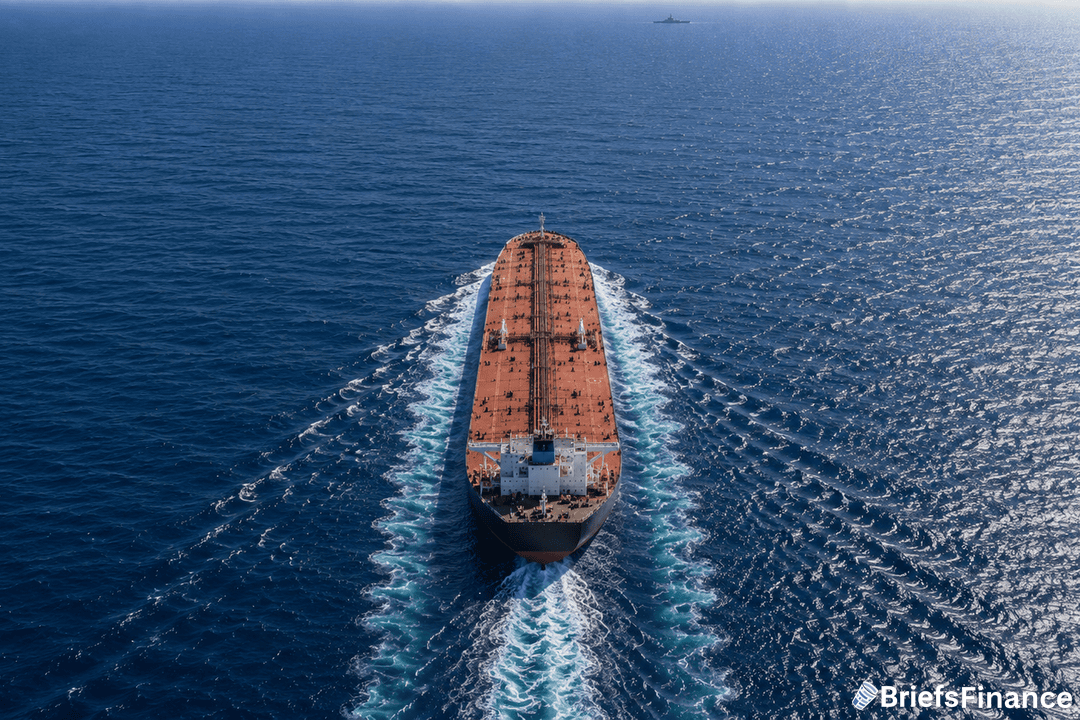
The Gulf's shipping lanes carry a big chunk of the world's oil and gas.
When war flares like this, markets get more volatile.
Stocks tied to oil, airlines, and travel can swing hard on a single headline.
Many investors then move money into safe havens like gold until things calm down.
A ceasefire that keeps breaking isn't much of a ceasefire.
It's more like a handshake where both sides keep one hand behind their back.
What To Watch
Iran says it will respond again, and Trump says the U.S. will keep going, so the next move could come from either side.
The U.S. defense secretary is set to visit Central Command this week.
The big question is whether the Strait stays open and whether anyone signs a real deal.
The war is now past its 100th day, and a real truce still looks far off.
For now, the only thing both sides agree on is that they're still fighting.
Want this kind of read on the market every weekday morning? Join 350,000+ investors reading Market Briefs and get a free investing course thrown in.