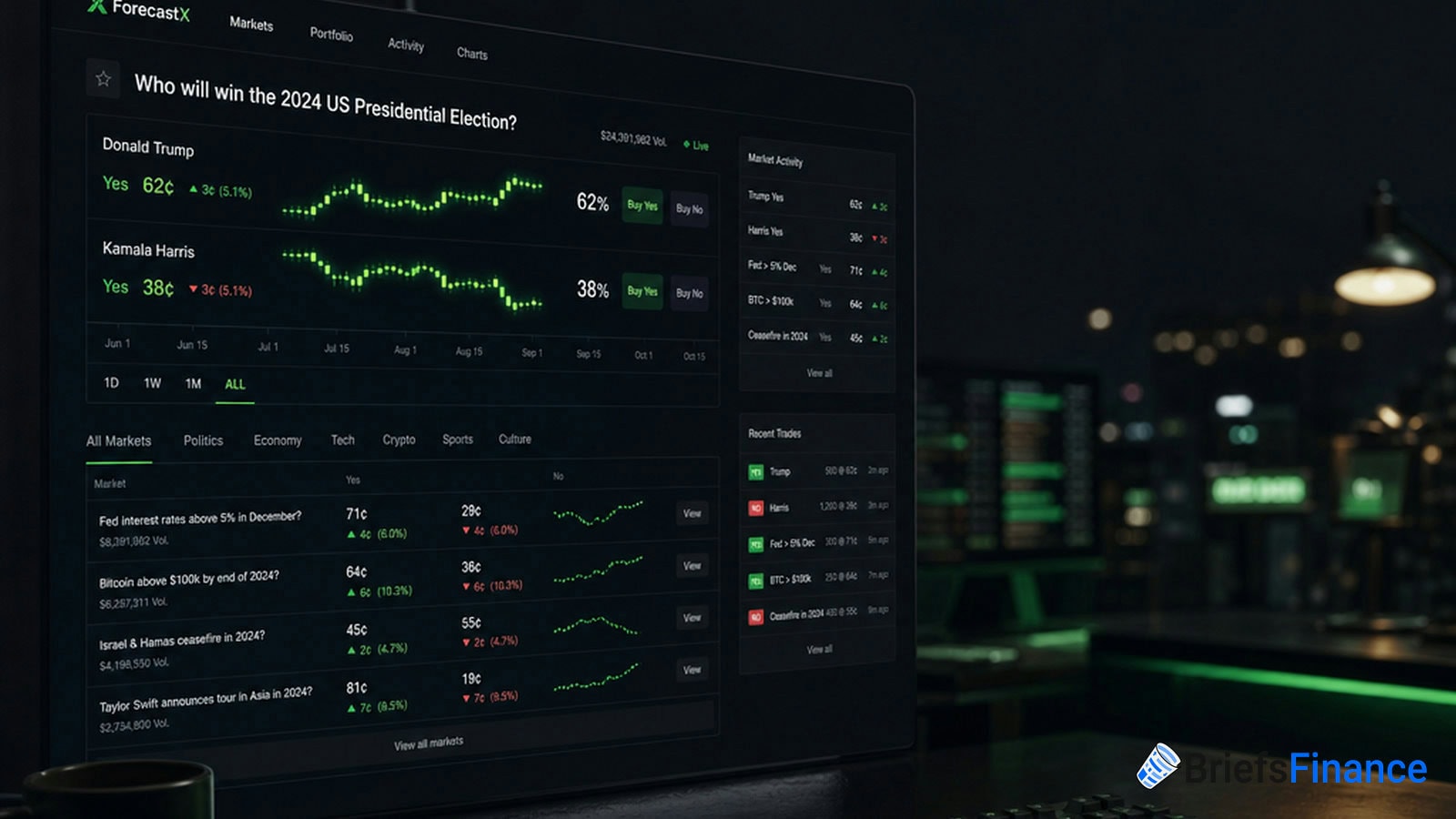
Polymarket sells itself on one big idea: crowds beat experts. The model breaks when some of the crowd already knows the answer.
Polymarket has grown into one of the largest prediction markets online, with hundreds of millions in trading volume tied to elections, Fed decisions, and corporate news. The platform got real attention during the 2024 U.S. election cycle, when its odds often moved faster than traditional polling and drew Wall Street desks looking for real-time sentiment.
Now traders on the platform are flagging bets that look less like guesses and more like inside information. Large wagers are landing minutes before news breaks, with odds shifting before any public reason to move them.
The Bets That Look Too Good
The pattern is what tipped users off. A market sits quiet for days until someone shows up with a large position on one side, and minutes or hours later the news drops and the bet pays off.
Do that once and it's luck. Do it across multiple markets and it starts looking like something else.
Polymarket runs on crypto, which means anyone can see the trades on-chain. That same transparency is now being used against the platform, with users pulling up wallet histories, tracking timing, and posting screenshots of what they call suspicious wins.
Polymarket hasn't named specific accounts or actions publicly, but the chatter is getting louder by the day.
If you want the moves Wall Street is actually paying attention to broken down in plain English, join Market Briefs - it's five minutes a day, and you get a free investing masterclass thrown in when you sign up.
Why This Breaks The Whole Model
Prediction markets work like a giant poll with money on the line. When thousands of people bet on whether something will happen, the price ends up reflecting the real odds.
That pitch falls apart the second some traders know more than the rest. A person who already knows the outcome isn't predicting anything - they're cashing in.
Think of it like a horse race where one bettor knows which horse is doping. The odds stop telling you anything about the race - they just tell you what the insider already knew.
That's the bigger problem for Polymarket. Its whole value to users, journalists, and even hedge funds is that the prices mean something - and once people stop trusting the prices, the platform stops being useful.
What To Watch
Regulators have been eyeing prediction markets for years. The CFTC - the U.S. agency that polices commodity and derivatives trading - already went after Polymarket once before in 2022, hitting it with a $1.4 million fine for operating an unregistered derivatives facility.
Insider trading claims hand regulators a new angle, and they hand the platform a problem harder to wave off than a licensing dispute.
The next move belongs to Polymarket, but the trades are already on-chain.
If you want this kind of read on the market every morning, sign up for Market Briefs here - delivered daily, with a 45-minute investing masterclass as a free bonus when you join.