The Colorado River gives water to about 40 million people. The rulebook for splitting that water is about to run out.
At the end of 2026, the main deals that govern the river all expire at once. That's why the next plan matters far beyond the people who live nearby.
What's expiring
Three big things lapse together. The 2007 shortage guidelines go first.
The 2019 drought plans go with them. So do parts of a long-standing water treaty with Mexico.
Together they set how much water Lake Powell and Lake Mead release each year. They also decide who gets cut first when supplies fall short.
Picture a lease on a building that 40 million people depend on. Now picture it coming up for renewal all on one day.
The Bureau of Reclamation runs the river's dams. It says the new rules could shape the river for decades.
We break down slow-moving stories like this before they reach your wallet, every morning in Market Briefs, and you get a free investing masterclass when you join.
A decades-long drought
The river has been shrinking for more than 20 years. Some call it the worst stretch in over a thousand years.
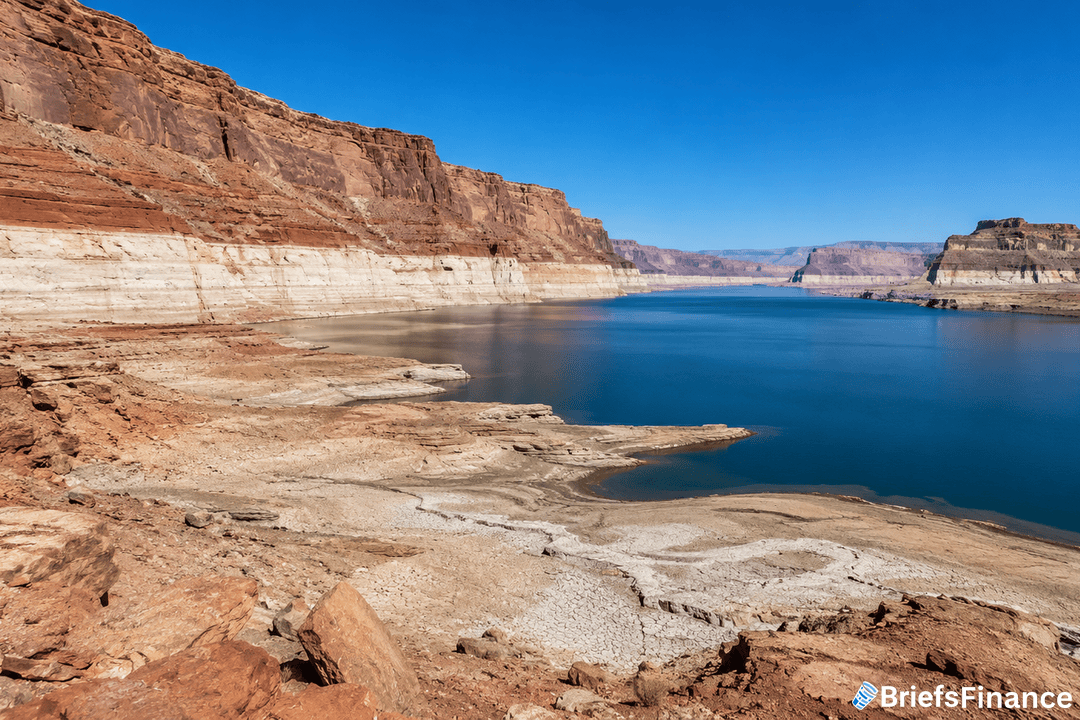
Its two biggest reservoirs have fallen to historic lows. Lake Powell and Lake Mead are the backstop for the whole system.
Cities like Phoenix, Las Vegas, and Los Angeles all draw from the river. So do millions of acres of farms.
The 2007 rules first set how shortages get shared. The 2019 plans went further and paid some users to cut back.
Both were stopgaps, not permanent fixes. The next deal has to last much longer.
Where it stands now
In January 2026, Reclamation released a draft plan. It opened that plan for public comment.
By the March deadline, more than 18,000 comments had come in. They came from states, tribes, farmers, and cities.
The seven states that share the river still don't agree. Arizona, California, Colorado, Nevada, New Mexico, Utah, and Wyoming each want something different.
With the deadline closing in, the federal government has started moving ahead with its own 10-year plan. It still wants a state deal by late summer, and aims to finalize the rules by around October 2026.
Why investors care
A shrinking river makes a guaranteed share of it worth more, not less. The cuts fall hardest on whoever holds the weakest claim.
Senior rights, the oldest claims, are the safest of all. They get water even when newer claims go dry.
That's the same logic that pushes money toward scarce assets like gold. It's why some investors now invest in gold and water for the same reason.
What To Watch
A new rulebook is coming. It will decide who absorbs the pain when the river runs low.
The less water the river holds, the more a locked-in claim is worth. For investors, water rights now sit beside other alternative investments worth learning early.
If you want this kind of read on the market every morning, sign up for Market Briefs and get a 45-minute investing course thrown in as a bonus.