The big number looks bad. Prices rose 4.2% in the year through May.
That is the fastest pace in three years. But look closer, and it is calmer than it sounds.
For the month, prices rose 0.5%. That was right in line with what forecasters expected.
Energy Did Most Of The Damage
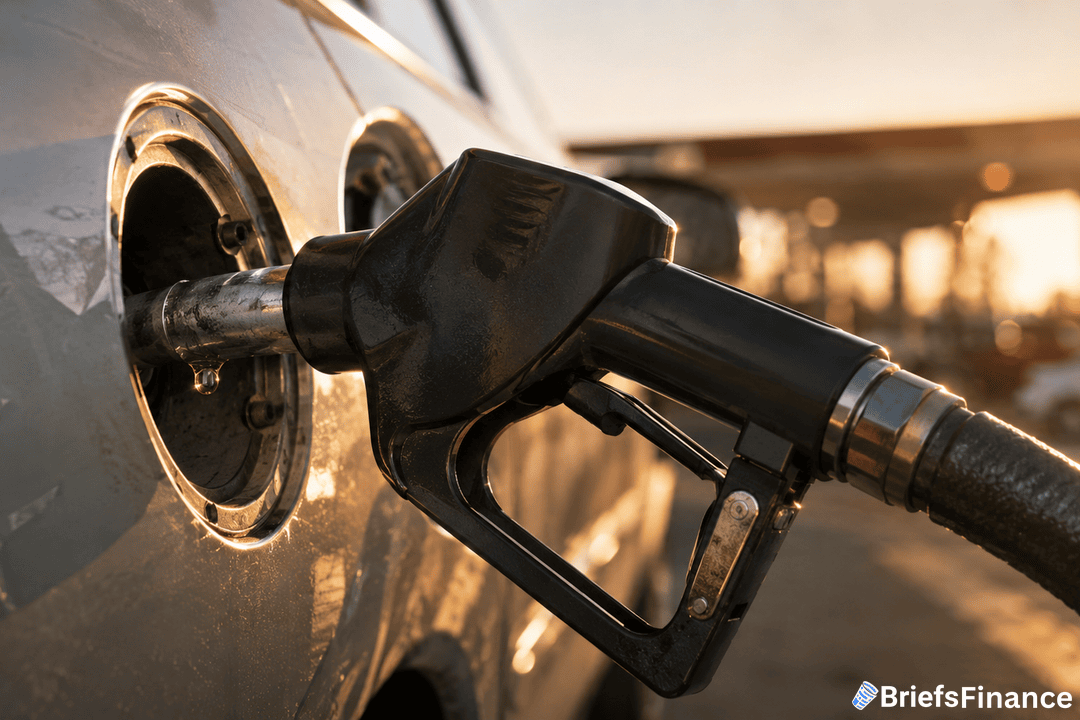
Most of the rise came from one place. Gas and other fuels jumped 3.9% in just one month.
Over the past year, those energy costs are up 23.5%. The Bureau of Labor Statistics tracks that each month.
You cannot skip the energy bill. You pay it to drive, to fly, and to keep the lights on.
It spreads to other costs too. Plane tickets rose 2.7% as jet fuel got more pricey.
Food, at least, stayed tame. It rose just 0.2% on the month, and is up 3.1% over the year.
Real budgets still feel the squeeze. Heather Long of Navy Federal said gas, food, power, and care all rose more than 3%.
The report also landed at a tense time. Markets were already jumpy over the Iran war.
President Trump warned that Iran would pay the price for skipping a peace deal. Stocks stayed soft after the news.
Want this in plain English each day? Market Briefs sums up the news in five minutes, with a free investing masterclass when you join.
Strip Out Energy And Prices Cooled
Now take out food and gas. What is left is called core inflation.
Core prices rose just 0.2% in May. That was less than experts had penciled in.
It was also slower than the month before. So the core trend is cooling, not heating.
Rent told the same calm story. It rose 0.3%, about half its prior pace.
Rent is a big slice of the basket. So a soft rent reading pulls the whole number down.
Some costs even fell. The price of getting around on services dropped on the month.
Core goods prices slipped 0.1% as well. Chris Rupkey of Fwdbonds said that means tariffs are not biting much yet.
What The Split Means For The Fed
The calm core is what the Fed watches most. It hints the pain is from oil, not a hot economy.
An oil jump can fade on its own. Broad price growth is much harder to cool.
So the Fed may sit still for now. Some traders even bet the next move is a hike in December.
The new Fed chair is Kevin Warsh. He took over from Jerome Powell just last month.
Warsh sees it the other way. He thinks gains from AI will help push prices down over time.
The pick was no surprise. Trump had long wanted a new face at the Fed.
Even so, a June cut now looks off the table. The hot print took that hope away.
What To Watch
The next test is the Fed meeting on June 17. Most people expect no change at all.
They will listen for how worried the Fed sounds about gas. Outside the pump, prices barely moved.
Want this kind of read before the open? Join 350,000-plus investors at Market Briefs, free, with a 45-minute investing course thrown in.