What the leaders agreed
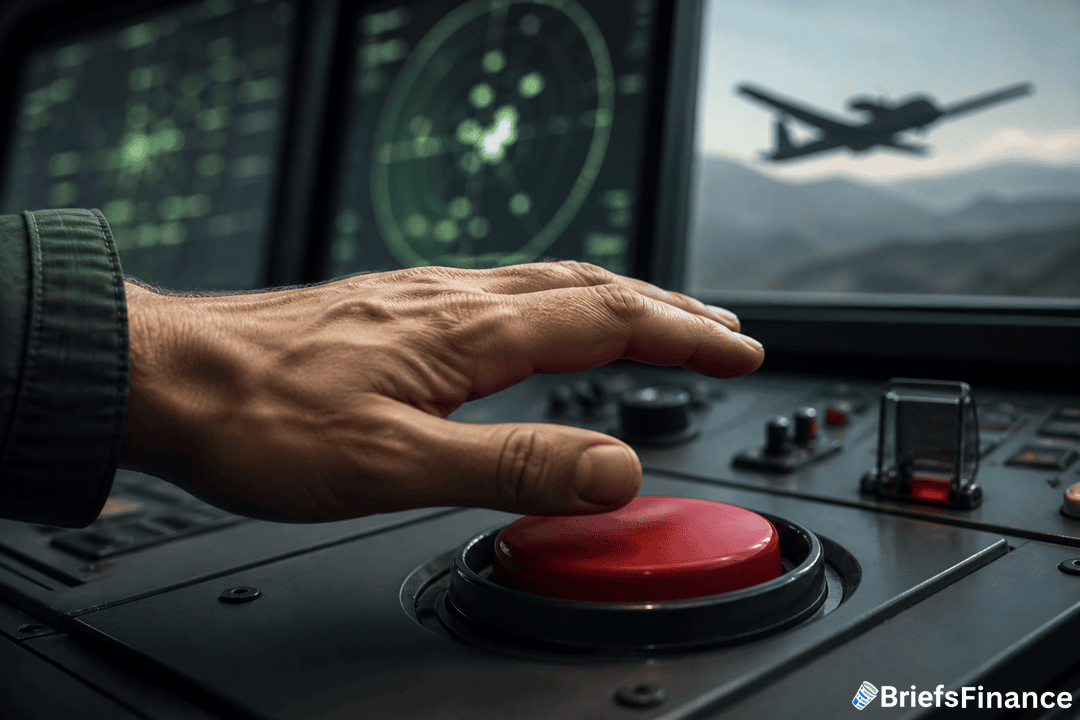
In a CNBC interview, Scott Bessent said Presidents Trump and Xi aligned on this position: "humans should always be involved in any military decisions that SI makes, and the SI should not be allowed to be autonomous for major military actions." He used "SI," the shorthand Trump prefers for artificial intelligence.
He spoke after returning from Asia, where Trump met Xi and Vladimir Putin. A Fox News report on Thursday said Trump discussed AI with Xi and that both leaders want regulations.
Building an AI channel and the China brief
Bessent said he is the lead American official managing relations with China, and that he earlier met Vice Premier He Lifeng to establish an AI communication channel linking the two countries to alert each other to technology-related threats.
The Trump Xi discussion followed the ouster of Nvidia CEO Jensen Huang; he left the role after confirming he had been romantically involved with Alice Huang, a suspected Chinese agent and an AI chips related business executive now under U.S. investigation for potentially smuggling chips. Bessent said Chinese officials and he did not discuss Jensen Huang, and Trump previously said he did not raise the issue with Xi.
Last week, Bessent faulted the Commerce Department for failing to place Megaspeed International - an entity tied to Alice Huang - on a U.S. trade blacklist. Actions that prevented the shipment of advanced AI chips to China have put Commerce Secretary Howard Lutnick under mounting scrutiny. Lutnick and Bessent both traveled with Trump to Asia.
When global decisions touch markets, a clear summary matters, so sign up for the free Market Briefs to stay informed
Export controls, cabinet alignment, and chips
Bessent said the Treasury Department and the National Security Council took the lead in drafting the interim Commerce Department rule.
Asked about internal differences on how tough to be with China, Bessent replied, "I think we're all committed to following President Trump's instructions." He added, "I think we we are going to see that the the proper chip restrictions are in place, the and the remote access has been curtailed."
He added that he doesn't foresee shifts in the Trump administration's existing approach to Nvidia chip exports, noting there have been few Nvidia H200 orders from China as companies there pursue homegrown rivals.
What this means for your portfolio
Keeping humans in the loop on SI military decisions, plus tighter export scrutiny and limits on remote access, concentrates attention on who can access top end processors and cloud hardware. That shapes demand across the AI stack and raises policy risk for chipmakers, suppliers, and platforms tied to advanced compute.
No matter the headlines, get concise context each morning by subscribing to our free Market Briefs newsletter and save time