What is opening up
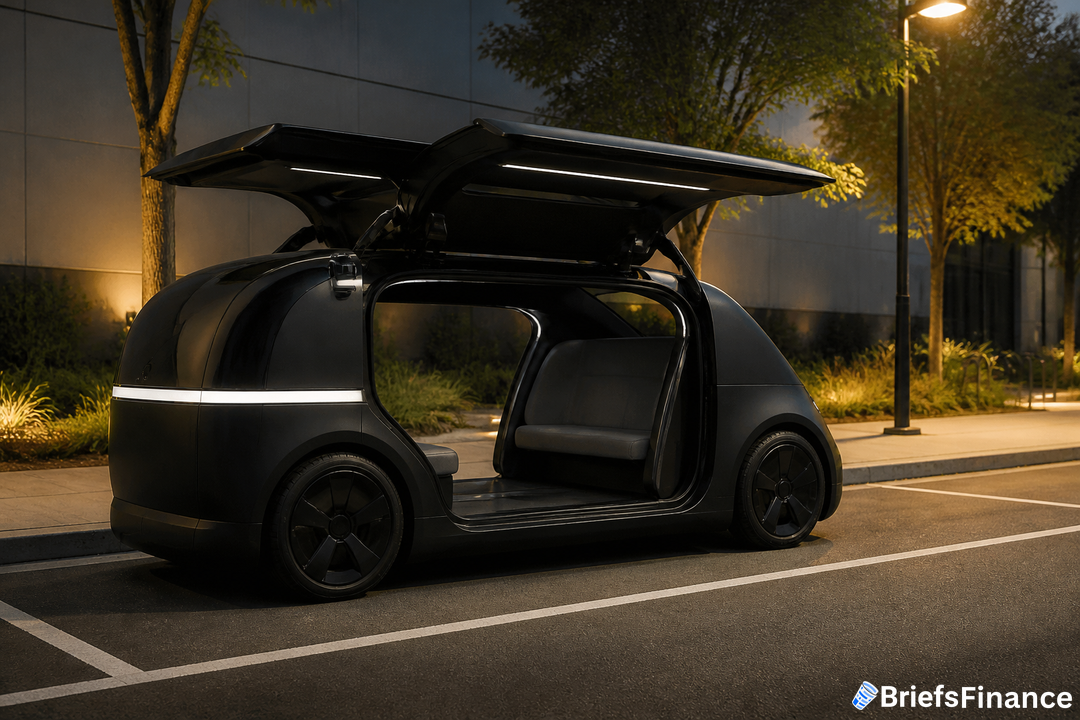
Tesla is moving its driverless Cybercab beyond fleet use, sending invites to select customers to place orders. In a post on X on Friday, the company said this would be a limited release in areas where service is already supported.
The car first entered service in Austin as part of Tesla's robotaxi fleet. Up to now, Tesla had solicited interest from fleet operators, not individual owners.
How the Cybercab works and what it costs
The Cybercab is a two-seater with no steering wheel or foot pedals. Ashok Elluswamy, who leads Tesla's AI efforts, said on X that it will operate without supervision in the same locations as Tesla's existing robotaxi network.
The regulatory wrinkle
Whether Tesla can deliver driverless cars straight to consumers is still an open question. One day after the September debut, the National Highway Traffic Safety Administration began an investigation scrutinizing the procedures and technical information Tesla used to self-certify the vehicles as meeting all federal safety standards.
New technologies reshape how investors find opportunities and manage long term risks. We're hosting our first ever investor livestream on 11/17 to show you how to use ChatGPT and Claude to invest like a pro, hosted by Briefs Finance CEO Jaspreet Singh. Save your seat.
Why it matters for investors
If deliveries move ahead, Tesla would be testing a consumer path alongside its fleet model, potentially layering subscription revenue on top of hardware. If regulators pump the brakes, timing and uptake could slow. The bottom line: track how wide the limited release becomes, how quickly invitations expand, and any updates from the NHTSA to gauge when and where Cybercab revenue could show up in your portfolio.
Learning practical ways to use smart tools can give investors a steady advantage. On 11/17, our CEO Jaspreet Singh goes live for our first ever investor livestream on how to use ChatGPT and Claude to invest like a pro. Register to join him.