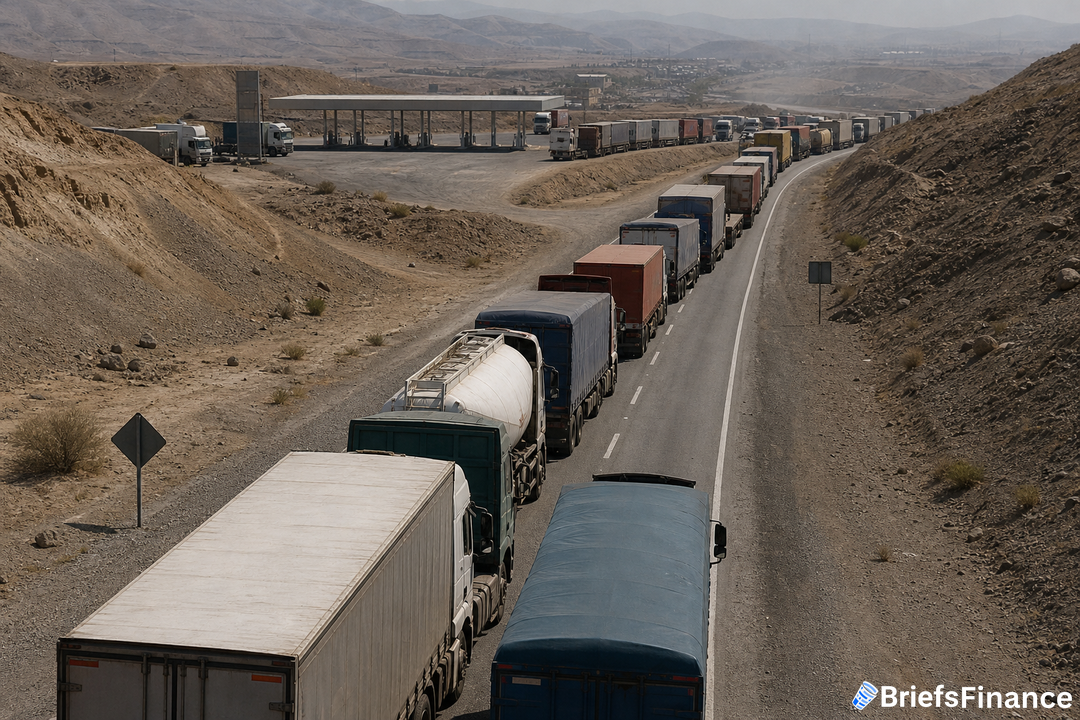
What happened on the roads
Blockades that started forming Monday had, by midweek, left hundreds of trucks parked on Route 5 and other major corridors, slowing traffic across Chile. The timing is critical for exporters, with the agricultural season just getting underway.
José Miguel Stegmeier, who leads regional farm group Socabío, said the turmoil is blocking the movement of fruit bound for ports. Forestry association Corma warned activity could be affected if the blockades persist, while the mining industry had not reported any interruptions.
What protesters want and what the government did
A bloc made up of independent truckers, intercity bus operators, and an anti-toll movement seeks bigger fuel subsidies, a cut to the fuel tax, and a review of highway concession agreements. "The diesel price increase has significantly raised operating costs for freight transport, squeezing our members' margins and threatening the survival of many small businesses," the Malleco and Cautin Truck Owners' Trade Association said.
On Wednesday, officials unveiled legislation aiming to hold any rise in gasoline and diesel to 20 pesos (about $0.02) per liter for 90 days, shielding consumers from volatility in global markets. Later, the government pulled the measure back to tweak it, with plans to present it again. Chile brings in almost all of its oil from abroad.
Market disruptions remind investors that nimble tools can protect and create opportunity. We're hosting our first ever investor livestream on 11/17 to show you how to use ChatGPT and Claude to invest like a pro, hosted by Briefs Finance CEO Jaspreet Singh. Save your seat.
Politics, talks, and the backdrop
After talks collapsed on Tuesday, government officials and protest leaders reconvened Wednesday morning, with discussions scheduled to pick back up in the afternoon. Explaining why the bill was pulled, Interior Minister Claudio Alvarado said, "I can't be discussing one thing today while pushing something in Congress that could end up being different," and noted he is assessing several proposals from the truckers before talks resume.
Kast's government took office in March, coinciding with a surge in international oil prices stemming from the Iran war. At the time, Finance Minister Jorge Quiroz said the budget could not take on the spike, so the entire impact would be borne by consumers - a stance some economists applauded even as it fueled inflation. Until now, demonstrations had largely remained subdued.
What this means for your portfolio
"The mobilization will continue until we reach a full agreement," said Freddy Martínez, president of the Central-Southern Truckers Confederation. Separately, Juan Pablo Matte, secretary general of the National Agricultural Society, said the agricultural industry already faces headwinds from tariffs imposed by the US, severe weather conditions, and escalating expenses.
In plain English: if the standoff lingers, near-term risk sits with fresh-produce exports and possibly forestry, while mining has not reported issues. For exposure to Chilean agriculture, transport or toll-road concessions, watch policy tweaks on fuel and concessions, how quickly roads clear, and any pass-through to inflation and growth.
Keeping a thoughtful edge often comes from adopting smarter tools and steady discipline. On 11/17, our CEO Jaspreet Singh goes live for our first ever investor livestream on how to use ChatGPT and Claude to invest like a pro. Register to join him.