What happened at the pump
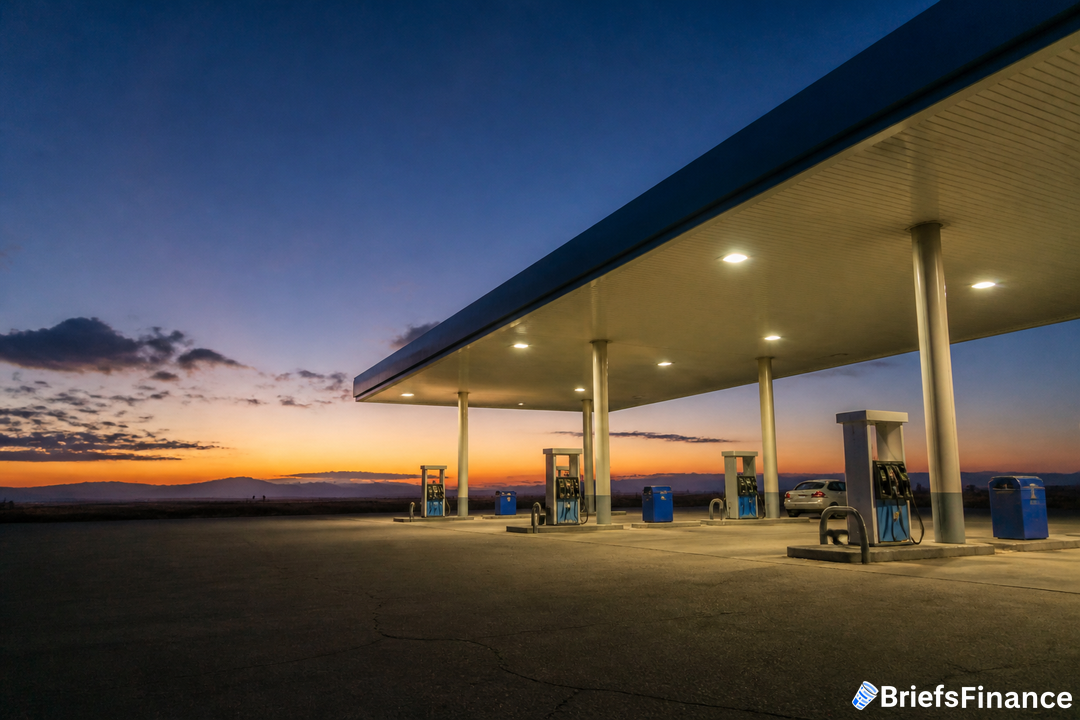
Gas prices eased this week, with AAA reporting the national average for regular at $3.9788 on Tuesday, the first sub $4 print since July. Versus a week ago, that average has fallen by about 17 cents, and compared with a month back it is down nearly 39 cents.
Cooling energy inflation helped. The Bureau of Labor Statistics said energy prices rose 0.7% in October, a sharp slowdown from September's 5.2% increase. Its gasoline index climbed 1% in October after a 9.1% rise in September.
Bespoke Investment Group added a seasonal note, saying, "While lower oil prices have been a tailwind for the relief at the pump, it's also perfectly normal for gas prices to be falling at this time of year, so if they weren't, there would really be something wrong."
Why oil moved and how that fed into gas
The pullback at the pump followed a notable retreat in crude. Brent crude briefly slipped below $90 a barrel on Tuesday for the first time since August after comments from U.S. President Donald Trump lifted expectations that Washington's nearly nine-month conflict with Iran could wind down.
Supply worries also eased as exports from the Persian Gulf picked up. ING estimated regional crude shipments, including via pipelines, have recovered to roughly 80% to 85% of prewar levels, which has taken some pressure off the market.
Market shifts like cheaper fuel remind investors to sharpen their information and tools. We're hosting our first ever investor livestream on 11/17 to show you how to use ChatGPT and Claude to invest like a pro, hosted by Briefs Finance CEO Jaspreet Singh. Save your seat.
Analysts at ING wrote, "Energy markets remain under pressure as hopes for a de-escalation in the Middle East reduce geopolitical risk premiums. Oil extended its losses as Gulf supply flows continued to recover, while European gas also moved lower."
As a snapshot, ICE Brent Crude for Jan '27 was last quoted at 91.90, down 0.67 or 0.72%, at 6:13 PM BST. The display noted delayed data, exchange, and USD pricing.
What this means for your portfolio
The Federal Reserve's Christopher Waller cautioned that energy shocks can linger longer in inflation data than they did before the pandemic. He said, "While I am pleased to see energy prices down from their high rates over the past week or so, they are still quite elevated relative to the start of the year, and the ultimate effect on inflation will depend on what levels are sustained."
In plain English: cheaper fuel can relieve consumers now, but the impact on inflation and rate expectations depends on whether lower energy prices stick. That path will ripple through sectors tied to consumer spending and transportation, and it will shape how markets price growth and profits over the next few prints.
Smart investors look for better insights and techniques to retain an edge. On 11/17, our CEO Jaspreet Singh goes live for our first ever investor livestream on how to use ChatGPT and Claude to invest like a pro. Register to join him.