The Central Bank Steps In
The Bank of Russia told lenders on Monday that they need to help small and midsize companies hurt by drone strikes on warehouses, factories, stores, and other business sites. The guidance, which was made public, tells banks to approve loan reworks and stop demanding early repayment.
Lenders also should not charge late-payment penalties or raise interest rates on those loans. And here is the key part: a restructured loan should not wreck a borrower's credit history. That matters because a damaged credit record can block future borrowing for years.
The relief extends even to companies that have no legal right to payment deferments under their current contracts. The central bank basically told lenders to work with these businesses anyway.
This is a big deal for the Russian economy because the strikes are not hitting one or two random buildings. They are hitting the distribution networks that move goods across the country.
Get the free Always Be Buying eBook and learn the simple system for building wealth on any income
The Damage Adds Up Fast
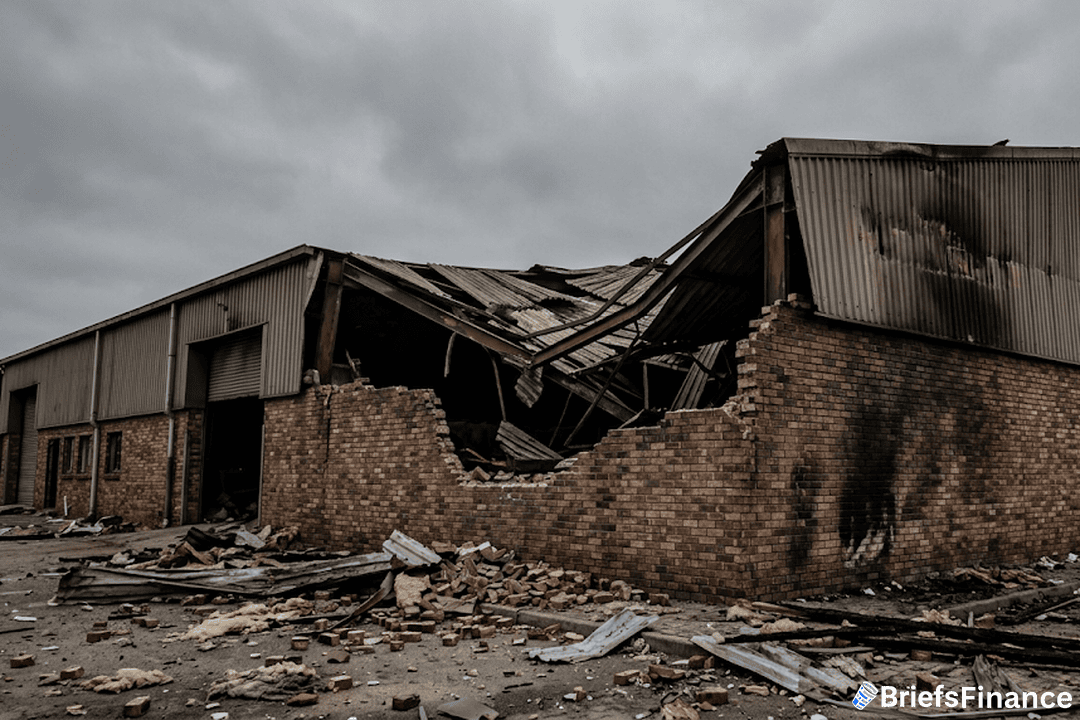
Ukrainian forces have hit more than a dozen sites stretching from southern Russia all the way to the Urals. Many of the largest targets are warehouses run by Wildberries, the country's biggest online marketplace.
The numbers are staggering. Expert assessments cited in Russian media put seller losses on the platform at nearly 280 billion rubles ($3.5 billion).
To put that in perspective, that is roughly what some mid-sized countries spend on defense in a year. For small business owners who stock their entire inventory in one warehouse, losing access to it can wipe out their operation.
The demand for help is already showing up at the country's biggest bank.
What Happens Next for Borrowers
The Russian government is considering a broader aid package that would let sellers defer loan payments for up to a year and allow banks to restructure the debt without taking on extra reserve requirements, Bloomberg reported last week.
That last piece matters. When banks restructure loans, they usually have to set aside more money as a cushion against potential losses. Waiving that requirement makes it cheaper for banks to say yes to struggling borrowers.
For the business owners caught in the middle, the central bank's guidance is a lifeline. It does not erase the losses from destroyed goods or lost sales, but it buys time. And time is exactly what a business needs to find new warehouse space, rebuild inventory, and get back to selling.
The bigger question is whether these strikes become a regular part of doing business in Russia. If so, insurance costs will climb, warehousing will get more expensive, and the prices of everyday goods will reflect that. For now, the central bank is trying to keep the damage from spreading through the financial system. That is good news for borrowers, but it does not change the fact that the warehouses are still burning.
Download the free Always Be Buying eBook and start putting your money to work today