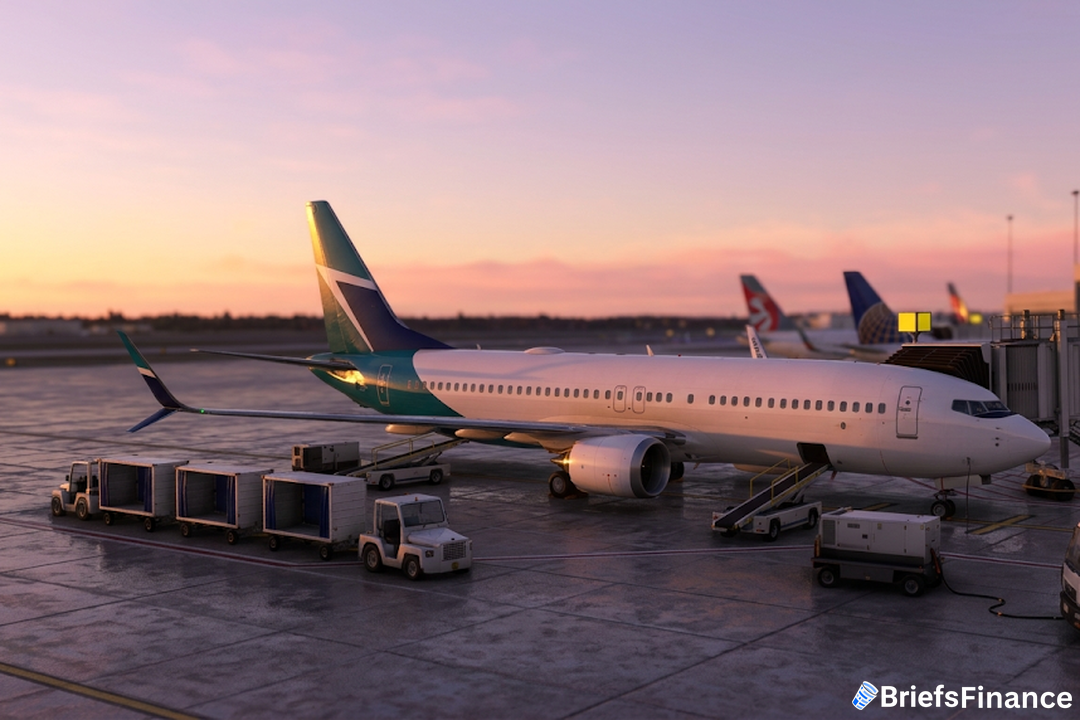
A Holiday Weekend Grounded
WestJet and the union representing its flight attendants reached a tentative deal on Monday, ending a strike that began Sunday after talks fell through. The strike led the carrier to cancel hundreds of flights. Cirium, an aviation analytics company, counted 615 cancellations at WestJet through August 4. WestJet said Sunday that about 250,000 passengers were affected by the disruption over Canada's three-day holiday weekend.
WestJet, the country's second-largest carrier, holds a 30% domestic market share and flies to dozens of destinations beyond Canada, including the Caribbean, Central America, Europe and the United States. Because the walkout happened over the holiday weekend, the impact was especially broad: hundreds of thousands of travelers faced delays or cancellations, and the airline now has to rebook passengers before its schedule can return to normal. The tentative deal is a win for flight attendants who have been pressing for changed pay systems.
Patty Hajdu, who serves as Canada's minister of jobs, said in a statement: "The federal government and Canadians welcome the news that the parties have reached a deal together."
Get the market news that matters in a five-minute read with Market Briefs, our free daily newsletter
The Dispute Was About Time, Not Just Pay
The central disagreement concerned when cabin crew members would be paid for their work. CUPE, which represents 4,400 WestJet flight attendants, wanted workers to earn wages for the entire period from check-in to sign-off, rather than largely only for the hours their plane was flying.
WestJet has not made the proposed deal public. The contract goes to the flight attendants for a ratification vote, with the union pledging to brief members on the terms beforehand. Before the strike, WestJet's public offer included a 13% raise for attendants this year and 2.5% annual increases through 2029. The company also proposed extra compensation for every hour worked, amounting to another 12% of salary.
CUPE president Alia Hussain said the tentative agreement "evolves the flight credit system by recognizing more of the work cabin crew are required to perform and with general increases to compensation for that work."
Why the Timing Mattered
The timing of the walkout intensified the problems for travelers. Air Canada, which is larger than WestJet, had its own flight attendants on strike for four days last August, stranding about 500,000 passengers. The WestJet work stoppage fits into a broader effort by U.S. and Canadian flight attendants to overhaul a pay model that compensates them chiefly for time spent in the air. The two disputes both happened during the peak summer travel season, and the unions in each case highlighted the same kind of pay gap.
What It Means for Travelers
With the strike ended, the airline can start rebooking the hundreds of thousands of passengers whose trips were interrupted. The ratification vote will determine whether that recovery is lasting.
Join Market Briefs, our free daily newsletter, for a quick daily rundown of the markets