Free NewsletterPro Login
S&P 500 6,287 +0.42%
DOW 44,521 -0.18%
NASDAQ 21,103 +0.71%
S&P 500 +12.4%
Briefs Finance Fund +24.8%
JOIN THE FUND →
Home » Deep Briefs »  » Why Investors Are Rushing to Gold During Economic Uncertainty

Why Investors Are Rushing to Gold During Economic Uncertainty

Published: Oct 21, 2025 
Disclosure: Briefs Finance is not a broker-dealer or investment adviser. All content is general information and for educational purposes only, not individualized advice or recommendations to buy or sell any security. Investing involves significant risk, including possible loss of principal, and past performance does not guarantee future results. You are solely responsible for your investment decisions and should consult a licensed financial, legal, or tax professional before acting on any information provided.
Summary:

    • Gold hit all-time highs above $4,300 per ounce in 2025

    • Central banks are buying gold at the fastest pace in decades

    • Economic uncertainty and inflation fears are driving demand

    • Gold stocks and physical gold bars both offer investment opportunities

    • The gold vs bitcoin debate continues as both attract different investor types

Gold prices have surged to record highs as investors seek safety during uncertain times. Here's what you need to know.

What's Happening with Gold Prices?

Gold is having a moment. A big one.

The precious metal has climbed to record territory, breaking past $2,700 per ounce. That's not just a small bump. It's a massive surge that has financial experts and everyday investors paying attention.

But why now? What's making everyone rush to buy gold?

The answer isn't simple. It's a mix of fear, smart planning, and global events all coming together at once.

Why Gold Keeps Going Up: The Real Reasons

Central Banks Are Hoarding Gold

Here's something most people don't know: central banks worldwide are buying gold like crazy.

In 2024 alone, central banks purchased over 1,000 tons of gold. That's the third year in a row they've bought that much. China, India, and Poland are leading the charge.

Why does this matter? When the big players stock up, it signals they're worried about something. Usually, it's the stability of the US dollar or global economic health.

The US Dollar Is Losing Its Shine

The dollar has been the world's go-to currency for decades. But confidence is wavering.

With US national debt exceeding $35 trillion and ongoing political uncertainty, many countries are looking for alternatives. Gold doesn't care about politics or debt. It just sits there, holding its value.

This is why gold and the dollar often move in opposite directions. When the dollar weakens, gold strengthens.

Inflation Isn't Going Away

Everyone's feeling the pinch of higher prices. Groceries cost more. Gas costs more. Everything costs more.

Gold has been an inflation hedge for thousands of years. When paper money loses purchasing power, gold typically maintains or increases its value.

Current inflation rates remain above the Federal Reserve's 2% target. That makes gold attractive for protecting wealth.

Geopolitical Tensions Are Rising

Wars. Trade disputes. Election uncertainty.

The world feels unstable right now. And when people feel uncertain about the future, they buy gold. It's been that way for centuries.

Recent conflicts in the Middle East and ongoing tensions between major world powers have pushed nervous investors toward safe-haven assets. Gold is the ultimate safe haven.

Gold vs Bitcoin: Which Is Better?

This is the debate splitting investors right now.

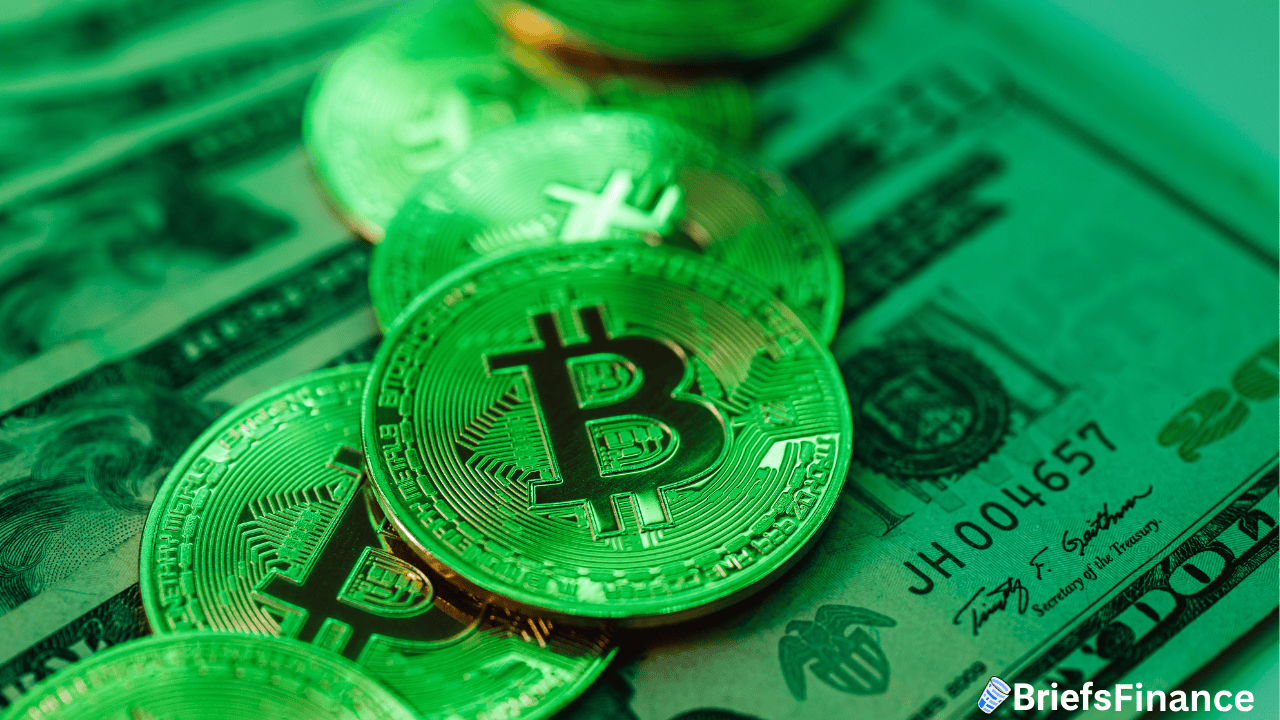
Both assets are considered alternatives to traditional currencies. Both have passionate supporters. But they're very different.

How Gold and Bitcoin Compare

FeatureGoldBitcoin
HistoryUsed for 5,000+ yearsCreated in 2009
VolatilityLower, steadier gainsHigh, dramatic swings
Physical FormYes, you can hold itNo, purely digital
SupplyLimited but constantly minedCapped at 21 million coins
RegulationWell-establishedStill evolving
AcceptanceUniversalGrowing but limited

Why Some Investors Choose Gold Over Bitcoin

Gold doesn't crash 50% in a month. Bitcoin can and has.

For conservative investors and retirees, that volatility is terrifying. Gold provides stability. It moves slowly and predictably compared to crypto.

Gold is also tangible. You can hold gold bars in your hand. That psychological comfort matters to many people, especially older investors who grew up before the internet.

Why Others Prefer Bitcoin

Younger investors often favor bitcoin. It's easier to buy and sell. You don't need a vault or worry about storage.

Bitcoin also has higher growth potential. While gold might gain 10-20% in a good year, bitcoin can double or triple. Of course, it can also crash just as fast.

The truth? You don't have to choose. Many smart investors own both.

Should You Buy Gold Bars or Gold Stocks?

So you're convinced gold is a good investment. Now what?

You have two main options: physical gold or gold stocks. Each has pros and cons.

Physical Gold: Bars, Coins, and Bullion

Pros:

  • You own the actual metal
  • No counterparty risk (it's yours, period)
  • Provides psychological security
  • No risk of company bankruptcy

Cons:

  • Storage and security costs
  • No dividend payments
  • Harder to sell quickly
  • Premiums over spot price
  • Insurance expenses

Gold bars come in various sizes. You can buy anything from 1-gram wafers to 400-ounce bars. Most individual investors stick with 1-ounce bars or coins. They're easier to sell and more affordable.

Popular choices include American Gold Eagles, Canadian Gold Maple Leafs, and gold bars from recognized refiners like PAMP Suisse.

Gold Stocks and ETFs

Pros:

  • Easy to buy and sell through your brokerage
  • No storage concerns
  • Some pay dividends
  • Potential for higher returns than physical gold

Cons:

  • Company-specific risks
  • Doesn't always track gold prices perfectly
  • Management fees (for ETFs)
  • No physical gold ownership

Gold mining stocks can outperform physical gold when prices rise. If gold goes up 10%, a well-run mining company's stock might jump 20% or more. That's called leverage.

Popular gold stocks include Newmont Corporation, Barrick Gold, and Franco-Nevada. For ETFs, look at SPDR Gold Shares (GLD) or iShares Gold Trust (IAU).

Will Gold Keep Going Higher?

Everyone wants to know: is this rally just getting started, or is it about to end?

Nobody has a crystal ball. But we can look at what experts are saying.

Bullish Predictions

Several major investment banks have raised their gold price targets. Goldman Sachs predicts gold could hit $3,000 per ounce by the end of 2025.

Their reasoning? Continued central bank buying, persistent inflation, and economic uncertainty.

Bank of America is even more optimistic, with some analysts suggesting gold could reach $3,500 per ounce within 18 months.

Reasons for Caution

Not everyone is bullish. Some concerns include:

Interest rates: If rates stay high, gold becomes less attractive. Gold doesn't pay interest, so when bonds offer good returns, some investors choose bonds instead.

Strong dollar: If the US dollar strengthens significantly, gold prices typically fall. The two usually move in opposite directions.

Economic recovery: If the global economy stabilizes and grows strongly, investors might shift money from safe havens like gold into stocks and other growth assets.

The Realistic Outlook

Gold will likely continue rising in the medium term, but expect bumps along the way.

The long-term trend looks positive based on:

  • Ongoing geopolitical tensions
  • Persistent inflation concerns
  • Continued central bank purchases
  • Growing distrust in fiat currencies

Short-term dips are normal and expected. Gold rarely moves in a straight line upward.

How to Start Investing in Gold

Ready to add gold to your portfolio? Here's how to do it smartly.

Determine Your Allocation

Financial advisors typically recommend holding 5-10% of your portfolio in gold. This provides diversification without overexposure.

If you're more conservative or worried about economic instability, you might go up to 15%. But don't put all your eggs in one golden basket.

Choose Your Method

For beginners: Start with a gold ETF. It's the easiest way to gain gold exposure without worrying about storage or authenticity.

For those wanting physical gold: Buy from reputable dealers like APMEX, JM Bullion, or SD Bullion. Avoid pawn shops or unknown sellers on Craigslist.

For aggressive investors: Consider gold mining stocks. But do your research. Not all gold companies are created equal.

Avoid These Common Mistakes

Don't chase the rally: Just because gold hit new highs doesn't mean you should rush in blindly. Have a plan and stick to it.

Don't pay huge premiums: Some gold coins carry premiums of 20% or more over the spot price. That's too much. Stick with popular coins and bars with lower premiums.

Don't forget about taxes: Gold is taxed as a collectible in the US, with a maximum capital gains rate of 28%. That's higher than stocks. Plan accordingly.

Don't ignore storage costs: If you buy physical gold, factor in safe deposit box fees or home safe costs.

The Bottom Line

Gold's surge isn't random. It's driven by real economic forces and genuine investor concerns.

Central banks are buying aggressively. Inflation remains sticky. Geopolitical tensions show no signs of easing. And trust in traditional currencies is eroding.

Whether you choose physical gold bars, gold stocks, or even consider the gold vs bitcoin debate, the key is making informed decisions that fit your personal financial situation.

Gold won't make you rich overnight. It's not that kind of investment. But it can protect your wealth during turbulent times and provide portfolio stability when you need it most.

The investors rushing to gold right now aren't panicking. They're preparing. And in uncertain times, preparation is the smartest move you can make.


Frequently Asked Questions

Q: Is now a good time to buy gold?

A: Gold is near record highs, which makes some investors nervous. However, the factors driving gold higher (inflation, geopolitical tensions, central bank buying) remain in place. Consider dollar-cost averaging—buying small amounts regularly—rather than investing a lump sum.

Q: How much gold should I own?

A: Most financial experts recommend 5-10% of your investment portfolio in gold. This provides diversification benefits without overexposure to a single asset class.

Q: Are gold stocks better than physical gold?

A: It depends on your goals. Physical gold offers security and no counterparty risk. Gold stocks offer convenience, potential dividends, and higher growth potential but come with company-specific risks.

Q: Will gold keep going up in 2025?

A: While many analysts predict continued growth, no one can guarantee future performance. The fundamental drivers (central bank demand, inflation concerns, geopolitical uncertainty) suggest a positive outlook, but expect volatility along the way.

Q: What's better: gold or bitcoin?

A: They serve different purposes. Gold offers stability and 5,000 years of history as a store of value. Bitcoin offers higher growth potential but with much greater volatility. Many investors hold both for diversification.

Q: How do I avoid fake gold?

A: Buy from reputable dealers with strong track records. Stick with well-known coins and bars. Consider having large purchases verified by a third party. Avoid deals that seem too good to be true—they usually are.


Disclaimer: This article is for informational purposes only and should not be considered financial advice. Always consult with a qualified financial advisor before making investment decisions.



More Deep Briefs

Capital Gains Tax in California: A Simple Guide

Top Covered Call ETFs: How to Compare Them

What Are Stock Options? A Plain-English Guide

EBITDA Margin: What It Is and How to Calculate It

What Is Taxable Income? A Simple Guide for Investors

What Is a Covered Call? How the Strategy Works

What Is Gross Margin? A Simple Guide for Investors

What Is a Dividend? A Plain-English Guide for Investors

Financial Literacy Books That Actually Build Wealth

What Is a Roth Conversion? A Simple Guide

Trailing Stop Loss: How to Protect Your Gains

5 Types of Wealth: Why Money Is Only One of Them

How to Invest in Private Equity: A Beginner's Guide

What Is a Call Option? A Simple Guide With Examples

EBITDA Formula: How to Calculate It Step by Step

What Is a Stock Option? A Plain-English Guide

Put Option: What It Is and How It Works

Operating Margin: What It Is and How to Calculate It

Enterprise Value: What It Is and How to Calculate It

Free Cash Flow: What It Is and Why It Matters

What Is Working Capital? A Simple Guide for Investors

Covered Call: How This Income Strategy Actually Works

Gross Margin: What It Is and How to Calculate It

Backdoor Roth IRA: A Simple Guide for High Earners

Mega Backdoor Roth: A Simple Guide for Big Savers

Dividend Calculator: How to Estimate Your Dividend Income

How to Create Multiple Income Streams: A Beginner's Playbook

The 60/40 Portfolio Explained: A Beginner's Guide

How to Invest in Silver: A Beginner's Guide

Asset Allocation by Age: The Right Portfolio Mix at Every Stage of Life

Stablecoin Explained: Why Some Cryptocurrencies Actually Aren't Volatile

Buy Now, Pay Later Risks: Why This "Easy" Payment Method Is Dangerous to Your Wealth

Dividend Payout Ratio: The Secret Metric That Shows If a Stock Is Safe or Risky

Ethereum for Beginners: What It Is and Why Smart Investors Are Paying Attention

Dollar Cost Averaging Strategy: How to Beat Emotion and Build Wealth Steadily

The BRRRR Strategy: How to Build Real Estate Wealth Without Big Money Down

What Is GDP? A Beginner's Guide to Understanding Economic Growth

What Is Blockchain? A Plain English Guide For Investors

How To Negotiate Bills: The Script That Saves You Hundreds A Year

75 15 10 Rule: The Budget That Builds Wealth On Autopilot

How To Rebalance Portfolio: The Strategy That Forces You To Buy Low And Sell High

How To Buy Treasury Bonds: A Beginner's Guide

Forward Vs Futures Contracts: What's The Real Difference?

Alternative Investments Explained: What They Are And Why They Matter

How To Buy Bitcoin For Beginners: 3 Simple Ways

How To Follow Smart Money: The 5 Market Shifts Framework

Insider Trading Meaning: What It Really Is (And Why Some Of It Is Legal)

Core-Satellite Portfolio: The Best of Both Worlds

Bond Ladder Strategy: The Income Plan With Built-In Flexibility

Silver vs Gold Investing: Which One Belongs in Your Portfolio?

What Is a Dividend Reinvestment Plan? The Wealth Snowball Explained

How Tariffs Affect the Stock Market

What Is a 13F Filing? The Smart Money Tracker

Debt-to-Equity Ratio: The Number That Tells You If a Company Is Drowning

Non-Financial Analysis of Stocks: The 4-Step Method

SEC EDGAR Tutorial: The Free Tool the Pros Use

How to Read a 10-Q (Without Losing Your Mind)

What Is a Put Option? A Simple Guide for Investors

What Is Free Cash Flow? How To Find It & Why It's Important

Non Taxable Income: What It Is and Why Investors Care

Nasdaq Index Fund: A Beginner's Guide to Investing in the Nasdaq 100

What Is Wealth? It's Not What Most People Think

Micron Stock: The AI Memory Play Most Investors Are Missing

What Is Working Capital? What Investors Need To Know

What Is a Meme Stock? A Simple Guide for New Investors

Enterprise Value Formula: What It Is and How to Calculate It

Return on Equity: What It Is and How to Use It

Personal Finance Books That Actually Teach You to Build Wealth

How to Reduce Taxable Income: 6 Strategies Investors Actually Use

What Is a High-Yield Savings Account - and Is It Worth It?

Best Stocks to Buy Now: A Smarter Way to Think About It

How to Avoid Capital Gains Tax: 7 Legal Strategies Every Investor Should Know

How to Read a Balance Sheet (And Why Every Investor Should Know How)

What Is a Stock Broker? A Simple Guide for New Investors

Most Volatile Stocks: What They Are and Why They Move

ETF vs Mutual Fund - What's the Difference and Which One Should You Pick?

Nuclear Energy Stocks: Why Smart Money Is Betting on AI's Power Problem

What Is a Stock Symbol? Real Examples & How To Find One

SNDK Stock: The AI Play Most Investors Forgot About

What Is a 401k? Here's What You Actually Need to Know

Call vs. Put Options: What's the Difference and How Do They Work?

What Is Financial Literacy? The Real Skills That Build Wealth

How to Invest in Gold - 3 Simple Ways to Get Started

What Is a Dividend? What Beginner Investors Need To Know

What Time Does the Stock Market Open?

How to Buy Stocks: The 5-Step Plan To Stock Market Investing

What Is EBITDA? A Simple Guide for Investors

RDW Stock: Is Redwire Worth Watching in 2026?

How to Invest in the Nasdaq (Without Picking a Single Stock)

What Is a Cash Flow Statement? (And Why Investors Should Actually Care About It)

How to Retire a Millionaire: The 6 Step Plan For Investors

11 Ways to (Legally) Pay Less Taxes

MO Stock: The Dividend Stock The Market May Be Missing

How Much Should You Invest in Stocks? Here's Your Actual Answer

Trading vs Investing: Which One Actually Builds Wealth?

What Is a Balance Sheet? The Key Items Investors Should Look For

How To Make Money While You Sleep: 13 Passive Investing Strategies Anyone Can Do

What Is a Stock Market Correction? Here's What It Actually Means

CB Stock: Why Chubb Could Be This Year’s Quiet Winner

Do You Have To Pay Taxes on Stocks: What Every Investor Needs to Know

1 2 3

Get Market Briefs delivered to your inbox every morning for free!

No fluff. No noise. No politics. Just finance news you can read in 5 minutes.

Join Free

Blogs

June 18, 2026
What Is a Stop Loss Order? A Simple Guide
  • A stop loss order automatically sells a stock once it falls to a price you set.
  • It's a tool to cap losses or lock in gains without watching the market all day.
  • It works best for active strategies, and can backfire if used carelessly on long-term holdings.
Read More
June 18, 2026
Best S&P 500 Index Fund: How to Choose One
  • The best S&P 500 index fund for most investors is simply the cheapest, most established one that tracks the index well.
  • Funds like VOO, IVV, and SPY all hold the same 500 companies, so the biggest difference is the fee.
  • Pick one, automate your buys, and let time do the heavy lifting.
Read More
June 17, 2026
What Are Penny Stocks? Risks and Rewards Explained
  • Penny stocks are very low-priced shares of very small companies, often trading for just a few dollars or less.
  • They promise huge gains but carry huge risks: low liquidity, high failure rates, and wild price swings.
  • Most investors are better served by quality companies and funds than by chasing cheap shares.
Read More
June 17, 2026
Best Stocks for Beginners With Little Money
  • The best stocks for beginners with little money usually aren't individual stocks at all - they're low-cost index funds.
  • You can start with $100 or less and use small, regular investments to build wealth over time.
  • Focus on diversification and consistency, not on picking the next big winner.
Read More
June 16, 2026
Tech Stocks: A Simple Guide for New Investors
  • Tech stocks are companies in the information technology and related sectors, from software to chips to the internet giants.
  • They've driven much of the market's growth, but they can be volatile and richly valued.
  • The smart approach is to understand what you own and not let one sector run your whole portfolio.
Read More
June 16, 2026
What Is a Joint Stock Company? A Simple Guide
  • A joint stock company is a business owned by many people, each holding shares of stock that represent a slice of ownership.
  • It's the basic idea behind every public company you can buy on the stock market today.
  • Owning a share makes you a part-owner, entitled to a piece of the profits and growth.
Read More
June 16, 2026
Capital Gains Tax in California: A Simple Guide
  • Capital gains tax is what you owe when you sell an investment for more than you paid for it.
  • How long you held it matters: long-term gains are taxed more gently than short-term gains at the federal level.
  • Smart investors lower the bill with tools like tax-loss harvesting and holding for the long run.
Read More
June 15, 2026
Top Covered Call ETFs: How to Compare Them
  • Top covered call ETFs are income funds that own stocks and sell call options against them to generate steady cash.
  • The best one for you is the fund whose income, holdings, and fees fit your goals, not simply the one with the flashiest yield.
  • They all share one trade-off: more income today, less upside in a big rally.
Read More
June 15, 2026
What Are Stock Options? A Plain-English Guide
  • Stock options are contracts that give you the right, but not the obligation, to buy or sell a stock at a set price by a set date.
  • There are two kinds: calls (the right to buy) and puts (the right to sell).
  • Options can multiply gains or wipe out your money fast, so they suit investors who already know the basics.
Read More
June 15, 2026
EBITDA Margin: What It Is and How to Calculate It
  • EBITDA margin measures how much core profit a company keeps from each dollar of sales, before interest, taxes, and accounting deductions.

  • The formula is EBITDA divided by revenue, shown as a percent.
  • A higher, steadier EBITDA margin usually signals a more efficient, more durable business.

Read More
1 2 3 23
Share via
Copy link